News

Landers: Restoring Representation & Preserving Election Neutrality

For nearly six months, Lincoln County has operated with a vacant seat on the Board of Commissioners following the passing of Commissioner Claire Hall in January 2026.

While two commissioners can legally conduct county business, the public deserves full representation and a fully functioning three-member Board. The purpose of filling a vacancy is not simply to occupy an empty seat. The purpose is to restore representation, strengthen governance, and ensure the county has the capacity necessary to address the issues facing our communities.

At the June 17 Board of Commissioners meeting, I will once again advocate for the appointment of Commissioner-elect Curtis Landers to fill the Position 2 vacancy through the end of the year.

How We Got Here

Since January, I have consistently advocated for a transparent and publicly understood appointment process. Review Miller’s attempts to create a framework early on.

On January 7, I submitted a memorandum requesting a public work session and staff report to review the commissioner appointment process before candidate selection began. I requested discussion of eligibility criteria, interview procedures, public participation opportunities, evaluation methods, timeline development, and workflow responsibilities.

Later in January, I submitted a proposed framework that included:

  • Public review of the appointment process
  • Development of interview questions in public meetings
  • Community feedback opportunities
  • Public deliberation regarding finalists
  • Public interviews
  • Formal appointment deliberations
  • Commissioner onboarding discussions

My goal was simple: establish the process publicly before selecting a candidate.

Unfortunately, many of these process discussions never occurred in the manner I had hoped. The vacancy remained unresolved through the spring.

As the process continued, I publicly stated that if the vacancy remained unresolved after the May Primary Election, I would consider the election results as part of my appointment decision.

That is where we find ourselves today.

Changed Circumstances

The circumstances today are different than they were in February, March, or April.

We now know who the Commissioner-elect is.
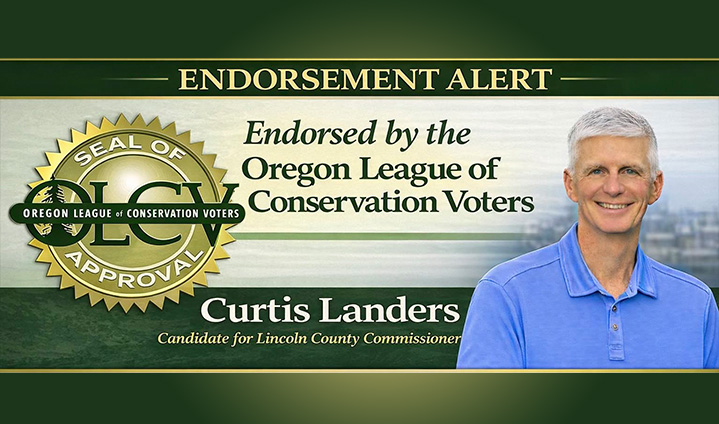
Curtis Landers won Position 3 outright and will take office in January 2027. Position 3 will not appear on the November ballot.

At the same time, Position 2 remains an active election between Cristen Don and Joe Steere.

These facts matter.

I do not believe the Board should provide either November candidate with the advantages that can accompany incumbency before voters make their final decision. Appointing either candidate would place the Board in the position of influencing an ongoing election.

Commissioner-elect Landers allows us to restore full representation while avoiding that concern.

Why Landers

Landers is uniquely positioned to contribute immediately.

During 37 years of service to Lincoln County, he served as Patrol Deputy, Administrative Lieutenant, Emergency Management leader, and ultimately Lincoln County Sheriff.

Few individuals possess such extensive experience as both a county employee and elected official. He understands county government from multiple perspectives and has firsthand experience managing personnel, budgets, emergency preparedness, public safety operations, and intergovernmental relationships.
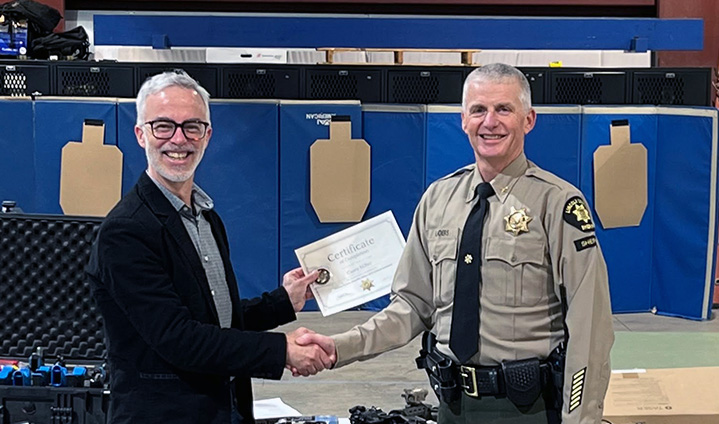
Because of his experience, Landers requires very little onboarding and can begin contributing immediately. Rather than spending months learning county operations, he is prepared to address county issues from day one.

Those issues are substantial.

Lincoln County continues to face important work involving housing, budgeting, workforce development, organizational management, economic development, public safety, natural resources, health care, and long-term strategic planning. These are not future challenges. They are current responsibilities that deserve the attention of a full Board.

What I Am Hearing From The Community

Following recent media coverage, many residents have expressed a concern that resonates with me:

The public deserves a full three-member Board, but the Board should avoid giving either November candidate the advantage of incumbency.

Whether residents support or oppose my recommendation, many recognize that the vacancy should be resolved in a manner that restores representation while preserving public confidence in the ongoing election.

READ (6.4.25) – Lincoln Chronicle – Two Lincoln County commissioners again stalemate over how or who to appoint to fill vacancy

I believe appointing Commissioner-elect Landers accomplishes both objectives.

Looking Forward

This appointment is about more than one individual. It is about restoring full representation. It is about ensuring county government has the capacity to address important community priorities. It is about maintaining neutrality in an active election.

And it is about moving Lincoln County forward after nearly six months of operating with a vacant seat.

I also continue to believe Lincoln County should work toward restoring full-service meetings, meaningful public participation, in-person meeting opportunities, and broad public access to local government. Public trust is strengthened when government remains accessible, transparent, and responsive to the people it serves.
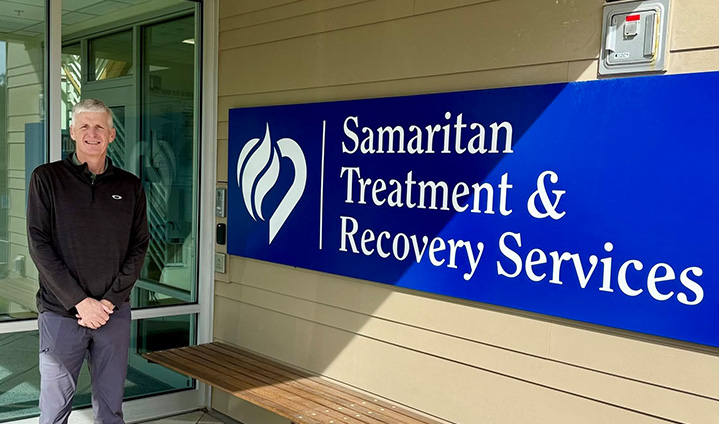
After reviewing the election results, the remaining term, the need for full representation, and the importance of election neutrality, I believe appointing Commissioner-elect Curtis Landers is the most practical, fair, and effective path forward for Lincoln County.

The county has work to do. Six months is long enough. It is time to restore full representation..

* Details regarding county commissioner meetings, agendas, videos and minutes can be found online. At the County’s – Agenda and Minutes Portal:
https://lincolncoor.portal.civicclerk.com/

* Miller is trying to resolve the current uncertainty about how to provide agenda topic only – virtual public comment. In absence of clear online details – Miller encourages the community to provide written public comments in absence of these links on the county’s website.
https://www.co.lincoln.or.us/559/Attending-a-Meeting
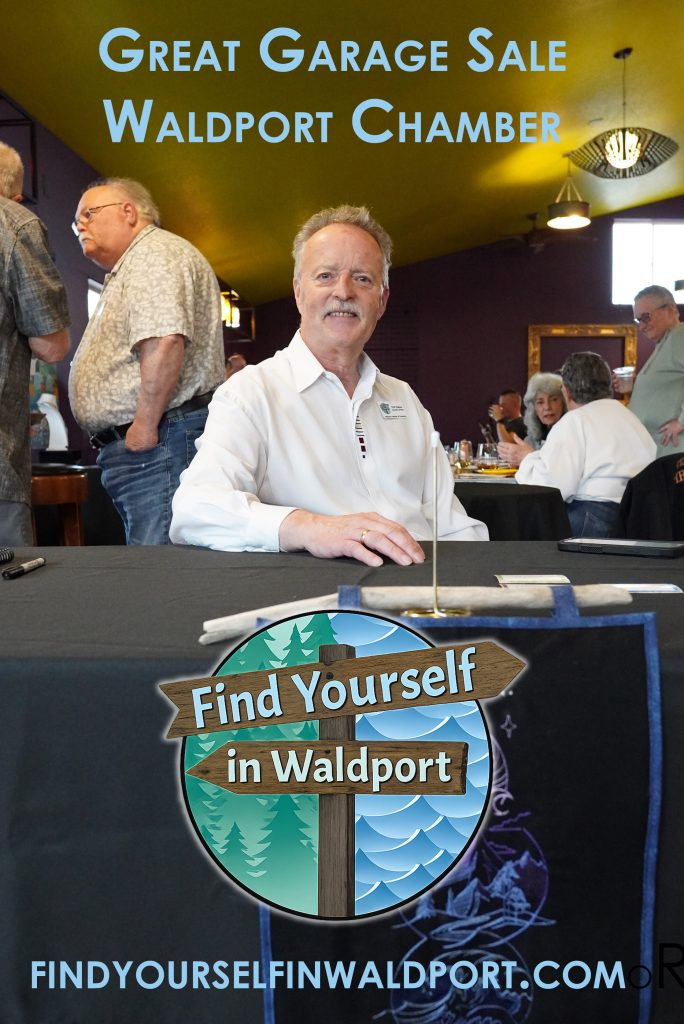
Waldport = June 6&7

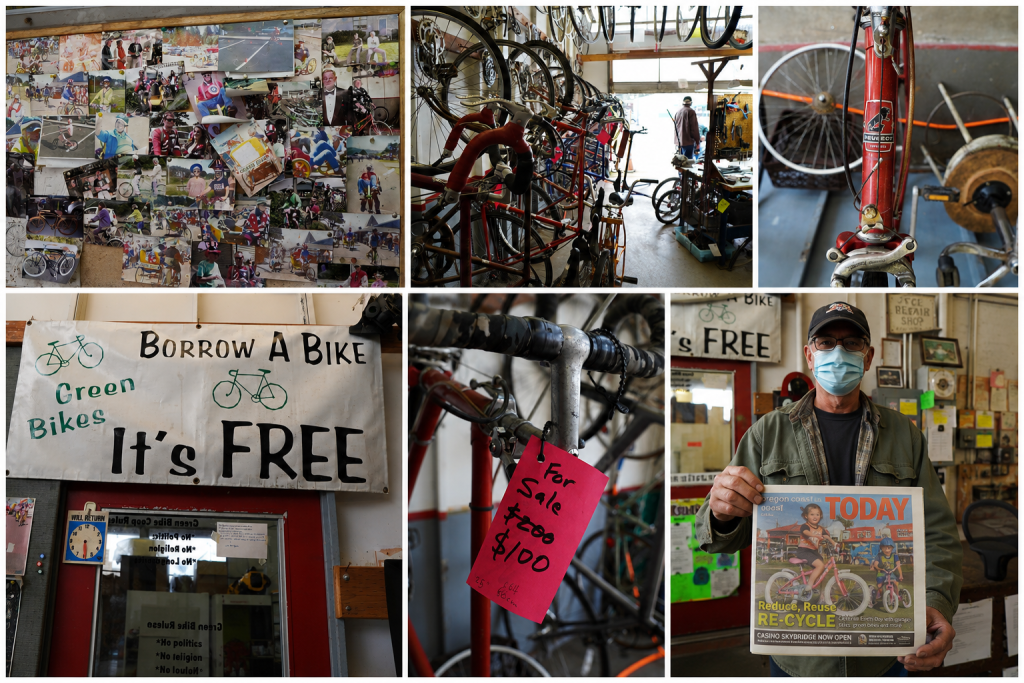
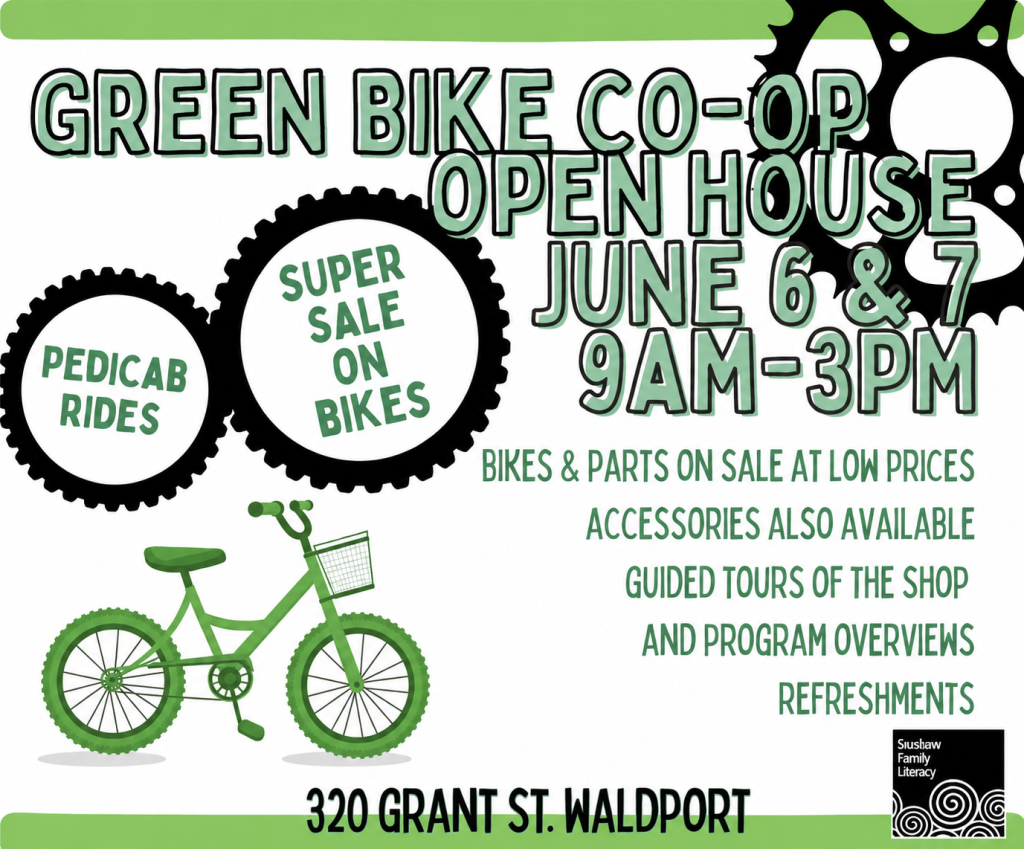
Two of my favorite things… bikes and garage sales! The Great Garage Sale and Green Bike Co-op Annual Open House are happening Saturday and Sunday, June 6 and 7, in Waldport.

For many years, one of my primary garage sale obsessions was bicycles. In fact, as the years have passed, many of my bike finds have made their way back to Green Bikes. I am having a bit of fun writing this article and looking back at the early days of Green Bikes at its original Highway 101 location.

Green Bikes Flyer
This years flyer. Please Share! Right Click Save As.

These days, it’s less about bikes and more about vintage and pre-owned audio equipment. I love discovering older audio gear and pondering its original purpose. During my bike phase, the impulse and fascination were much the same. Whether it’s a garage sale find or a purpose-driven nonprofit like Green Bikes, an important theme is discovering items that take on new life as they pass from one owner to the next.

Every item purchased secondhand represents one less product headed to a landfill and one more opportunity to extend the useful life of something that still has value. In a world where many products are designed to be replaced rather than repaired, garage sales offer a practical alternative to the culture of planned obsolescence. They also help families earn a little extra income while giving buyers access to useful goods at affordable prices.

Perhaps I’ll see you out there supporting the community and looking for your favorite treasures!

Waldport Chamber
Tom Fullmer – Waldport Chamber Executive Director. He is here to answer your questions and build a resilient business community. Reach out – director@waldportchamber.org. Phone 541.563.3500 

The Waldport Great Garage Sale is hosted by the Waldport Chamber of Commerce and presented by Pioneer Connect. Over the years, it has become a regional tradition for bargain hunters, collectors, and anyone looking for cool and useful stuff.

Garage sale maps are available through Oregon Coast TODAY and can also be picked up at the Alsea Bay Bridge Visitor Center & Museum.Map:
https://www.google.com/maps/d/u/0/viewer?mid=1_Q7Nwu-1lWQYzHvGUE4yHGgrlanRrDg&ll=44.397583976726686%2C-124.05874845&z=12

The Green Bike Co-op Annual Open House, also taking place Saturday and Sunday from 9:00 a.m. to 3:00 p.m., will feature discounts on bicycles and accessories, refreshments, and pedicab rides.

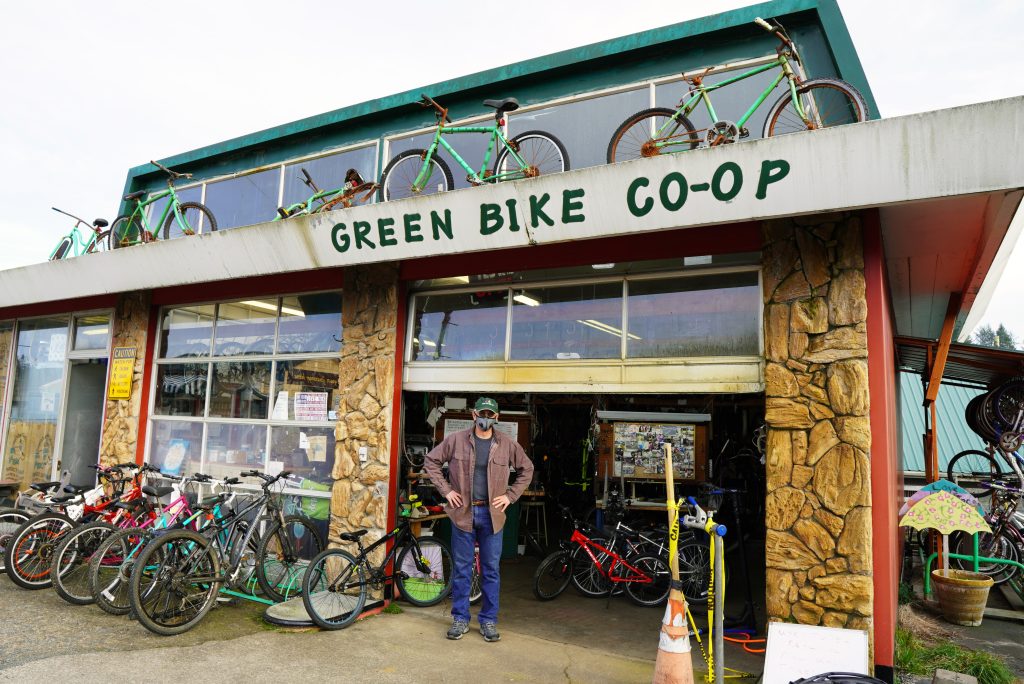
For more than 15 years, Green Bike Co-op has served as a unique community resource, helping residents and visitors keep bicycles on the road. Green Bikes operates under the umbrella of Seashore Family Literacy, combining bicycle access with community service and education.

Green Bikes Coop
Rick at the original location. Loved the retro modern building. The green bike team loves what they do. Appreciate that commitment to our community!

What began as a free community bike-sharing program with approximately 100 “green bikes” has evolved into a full-service community bicycle shop offering bicycle tune-ups and repairs, bike rentals and loaner bicycles, sales of refurbished bicycles, maintenance classes and instruction, and access to tools and parts for self-repair projects.

Green Bike volunteers help visitors, local riders, and cyclists traveling along Highway 101. Volunteers gain practical skills while supporting a program that encourages outdoor recreation, sustainable transportation, and community engagement.

Green Bikes Old Location
Rick Hill. Man of many talents. Loves bikes. Loves Waldport. All donations are tax deductible. The Green Bike Co-Op is a program solely operated by volunteers.

The co-op is located at 320 NE Grant Street in downtown Waldport and welcomes donations of bicycles, parts, and financial support.

Consider making a day of it: explore the garage sales, visit downtown businesses, stop by the Green Bike Co-op, and experience firsthand the community pride that makes Waldport such a special place to live, work, and visit.

Thompson Recycling Center

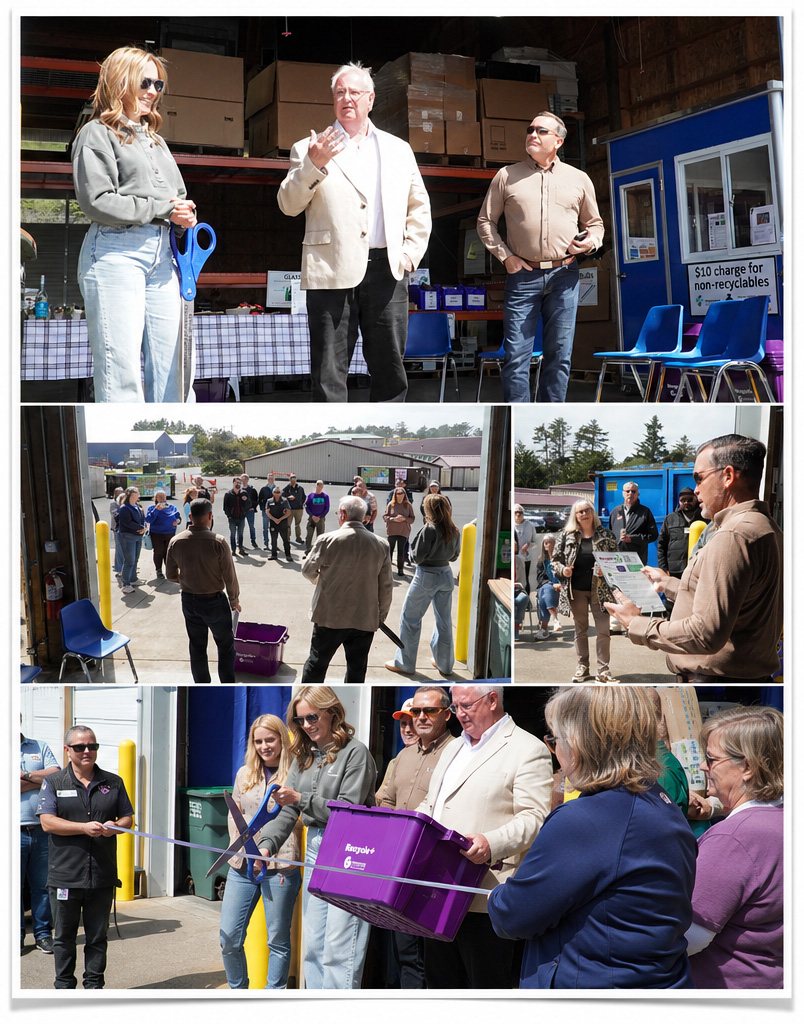
This week I had the opportunity to attend the ribbon cutting celebration for the new recycling improvements at Thompson’s Sanitary Service in Newport.

Events like this matter because recycling is changing significantly across Oregon through the state’s new Recycling Modernization Act (RMA). The law represents one of the largest updates to Oregon’s recycling system in decades and is designed to make recycling more reliable, easier to understand, and more effective statewide.

As a County Commissioner, I believe these conversations are important because rural communities like Lincoln County face unique challenges when it comes to waste management, transportation costs, environmental stewardship, and public education. Recycling systems only work well when the public understands how to participate correctly.

For many years, people were encouraged to recycle as much as possible. Unfortunately, “wish-cycling” — putting questionable items into recycling bins hoping they could be recycled — created major contamination problems. When contamination levels become too high, entire recycling loads can sometimes end up discarded.

Oregon’s Recycling Modernization Act is trying to solve that problem by:

  • creating more consistent recycling standards statewide
  • increasing accountability for manufacturers and recycling processors
  • improving transparency and public trust
  • helping fund transportation and recycling infrastructure for rural communities
  • reducing contamination through better public education

One of the biggest lessons from the new system is simple:

The best recycler is not the person who recycles the most items — it is the person who recycles the correct items.

Some of the most important recycling habits include:

  • flattening cardboard
  • rinsing containers
  • keeping recyclables loose (not bagged)
  • avoiding food contamination
  • learning which materials are locally accepted
  • reducing and reusing before recycling whenever possible

The event also highlighted practical tools available to the public = the “Waste Wizard” feature available through Thompson’s Sanitary Service, which helps residents quickly determine what can and cannot be recycled. Tools like this help remove confusion and reduce contamination.

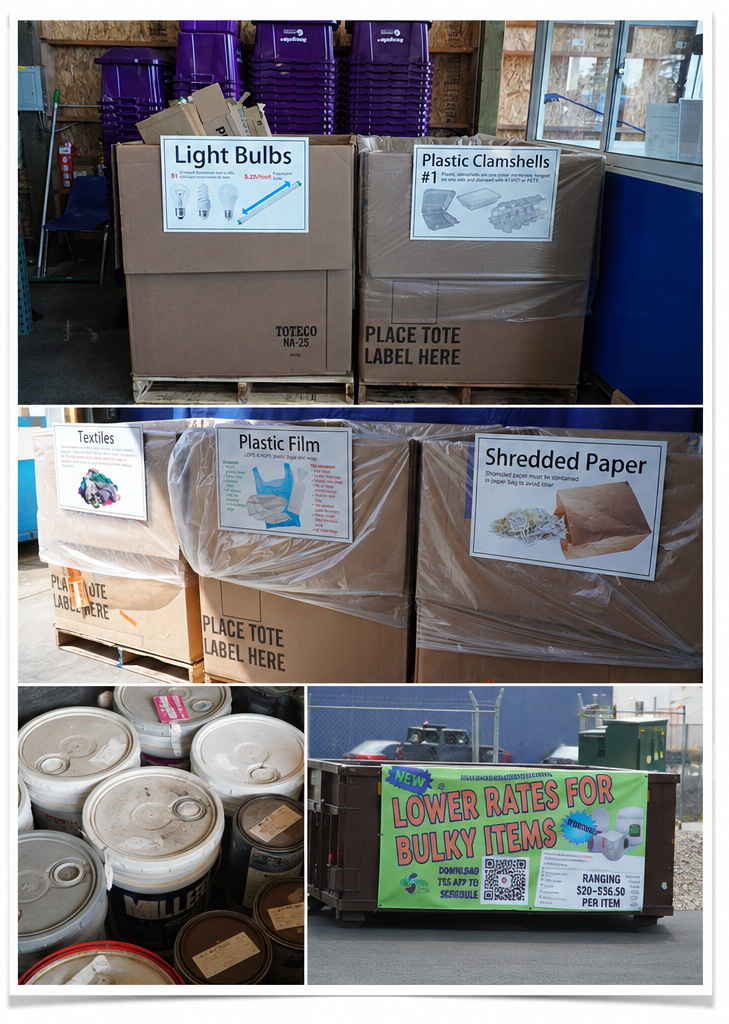
I was especially excited to learn that Thompson’s Sanitary has added several new recycling opportunities at their recycling depot, including:

  • textiles such as cotton shirts, towels, and sheets
  • plastic film and grocery bags
  • shredded paper (contained properly in paper bags)
  • certain plastic clamshell containers
  • light bulb recycling

I want to thank the entire Thompson’s Sanitary team for their continued investment in recycling infrastructure and public education here on the Oregon coast. Their work helps support cleaner communities, environmental stewardship, and long-term sustainability for Lincoln County residents.

Good recycling is not just about throwing things away correctly — it is about building a culture of responsibility, stewardship, and community participation.

Thank you again to everyone who helped make the event possible.

Olalla Meadows Groundbreaking

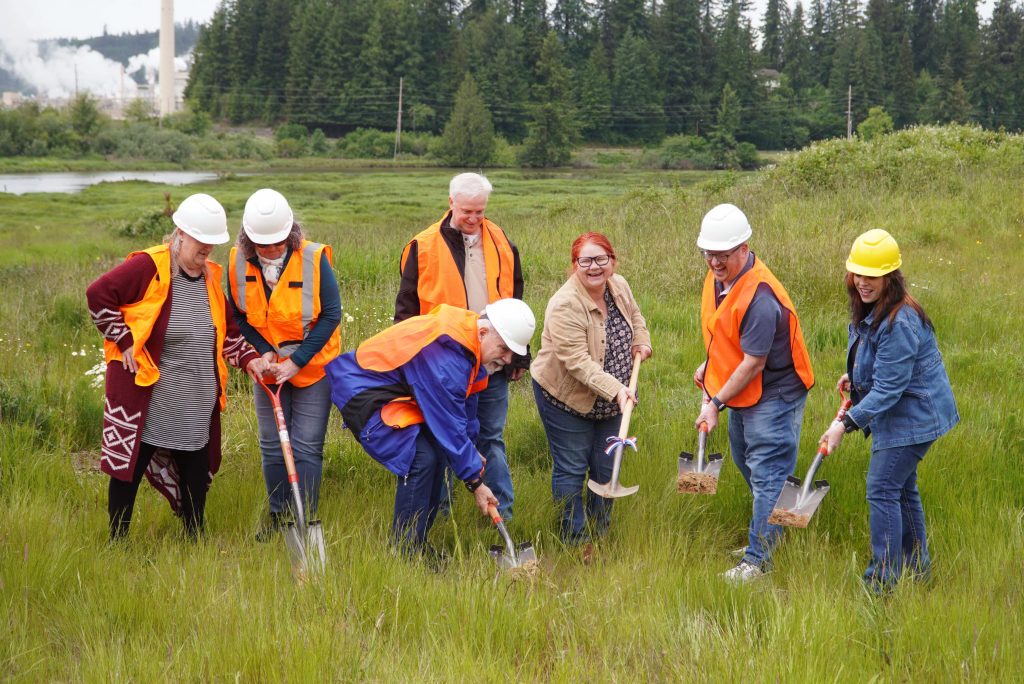
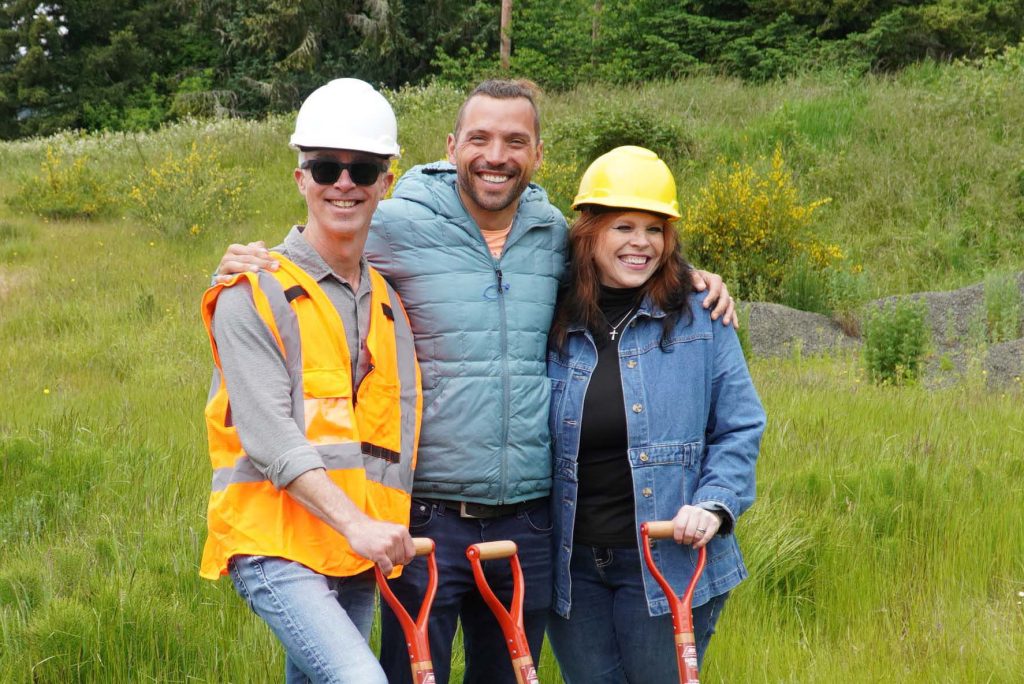
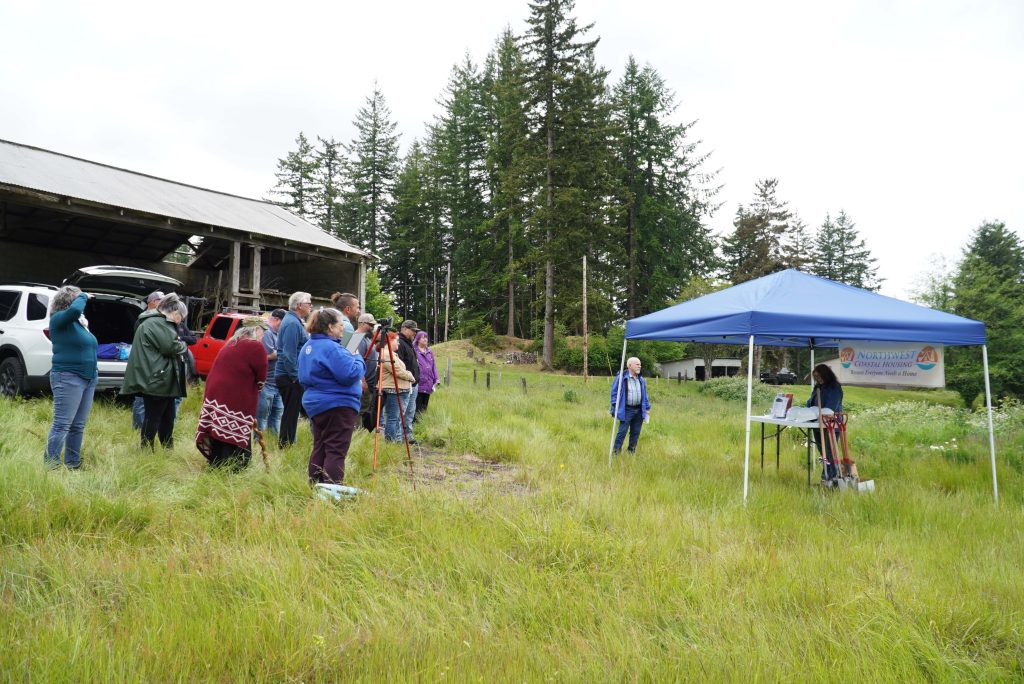
This week I spoke at the groundbreaking ceremony for Olalla Meadows in Toledo — a new 30-unit affordable housing development that represents years of planning, partnership, and community collaboration.

Projects like this do not happen overnight.

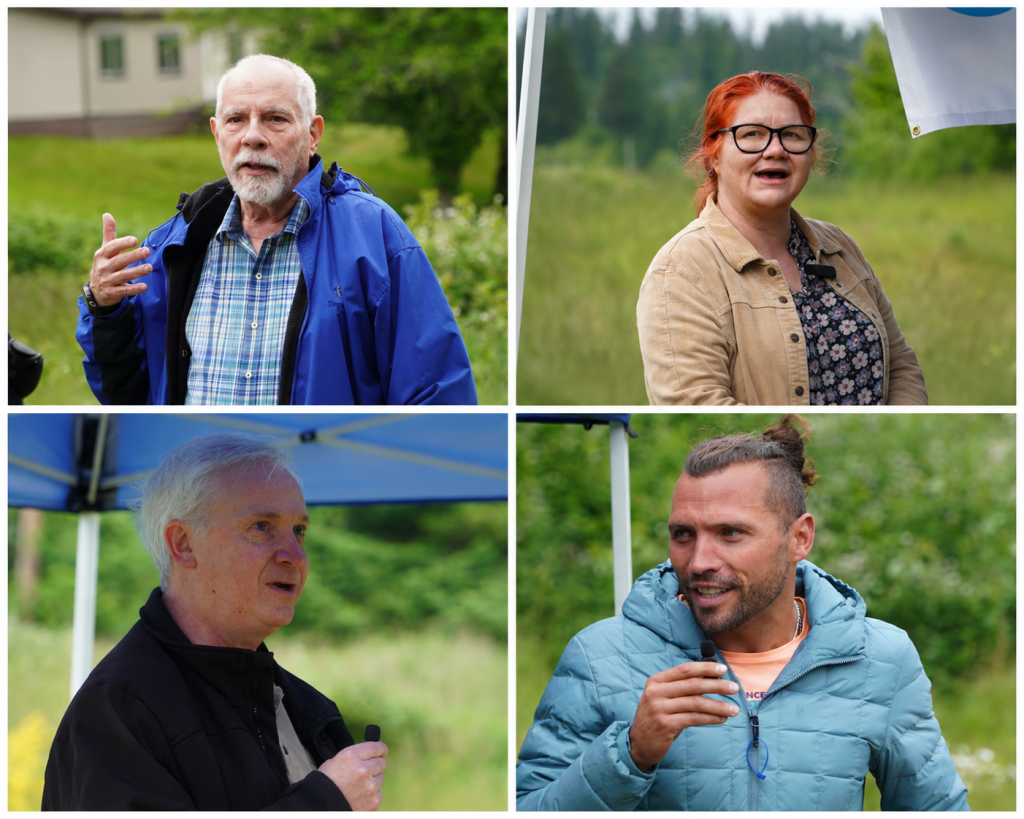
As Northwest Coastal Housing Executive Director Sheila Stiley explained during the event, this effort has been in development since 2019 and required persistence, coordination, infrastructure planning, funding partnerships, and long-term community commitment. She described affordable housing development as a process requiring “determination, resourcefulness, partnerships, cooperation, planning, creative problem solving, and persistence.”

Olalla Meadows will provide affordable one- and two-bedroom housing opportunities for residents earning at or below 60% of Area Median Income, including supportive housing opportunities for some vulnerable community members.

For Lincoln County residents, the broader takeaway is clear:

Housing affordability continues to affect workforce stability, economic development, family stability, healthcare access, and overall community resilience throughout the Oregon coast.

This project also demonstrates the importance of cooperation between local government, nonprofit organizations, state agencies, and community stakeholders.

During the ceremony, Northwest Coastal Housing recognized the contributions of the City of Toledo, Oregon Housing and Community Services, the Housing Assistance Council, local contractors, engineers, planners, and Lincoln County itself.

I was especially proud to hear Lincoln County acknowledged for helping support the project through Community and Economic Development grant funding awards that assisted with architectural, geotechnical, waterproofing underlayment, and roofing-related project costs.

As a County Commissioner, one reason I attended and spoke today is because local government plays an important role in helping facilitate long-term housing solutions. While counties alone cannot solve Oregon’s housing crisis, we can support projects, build partnerships, coordinate infrastructure discussions, and help connect public resources with community-driven solutions.

Northwest Coastal Housing has also previously received support through nonprofit social service allocation funding and other collaborative local investments designed to strengthen housing stability and community wellbeing in Lincoln County.

Another important takeaway from today’s event was the reminder that affordable housing projects are ultimately about people and community.

Throughout her remarks, Sheila emphasized that Olalla Meadows is intended not simply to become another apartment complex, but a positive and lasting part of the Toledo neighborhood and broader community.

That message matters.

Strong communities require housing opportunities for working families, seniors, young adults, service workers, and residents who want to continue living on the Oregon coast. Housing conversations are often complex, but today’s groundbreaking was a reminder that progress is possible when organizations remain focused on practical solutions and collaborative problem solving. I appreciate everyone who helped move this project forward and look forward to seeing Olalla Meadows completed in the years ahead.

Links:

Northwest Coast Housing
Meili Construction
City of Toledo, Oregon
Capri Architecture
Housing Authority of Lincoln County
Oregon Housing and Community Services
Economic Development Alliance of Lincoln County
WorkSource Oregon
Northwest Oregon Works


Children’s Advocacy Center

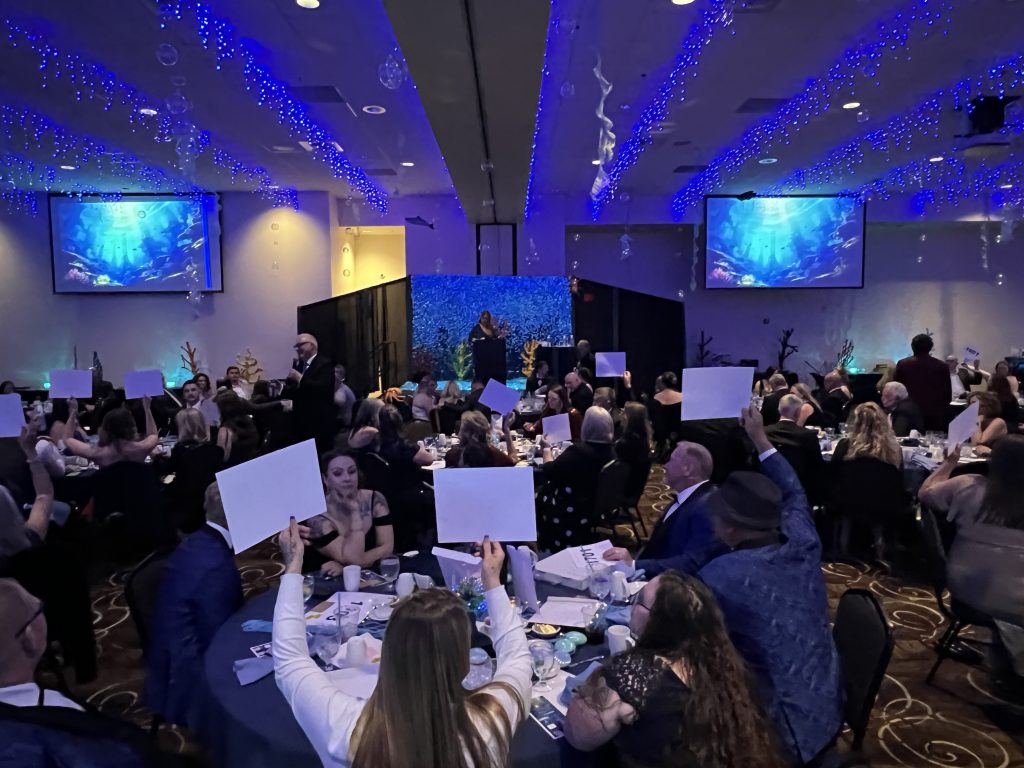
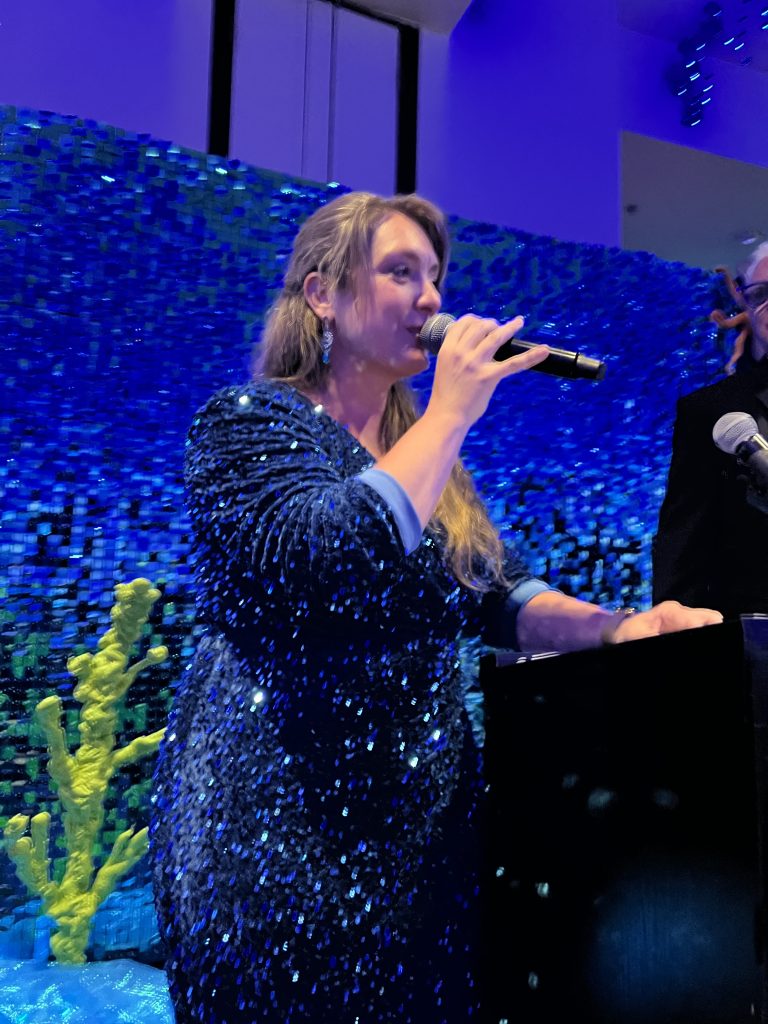
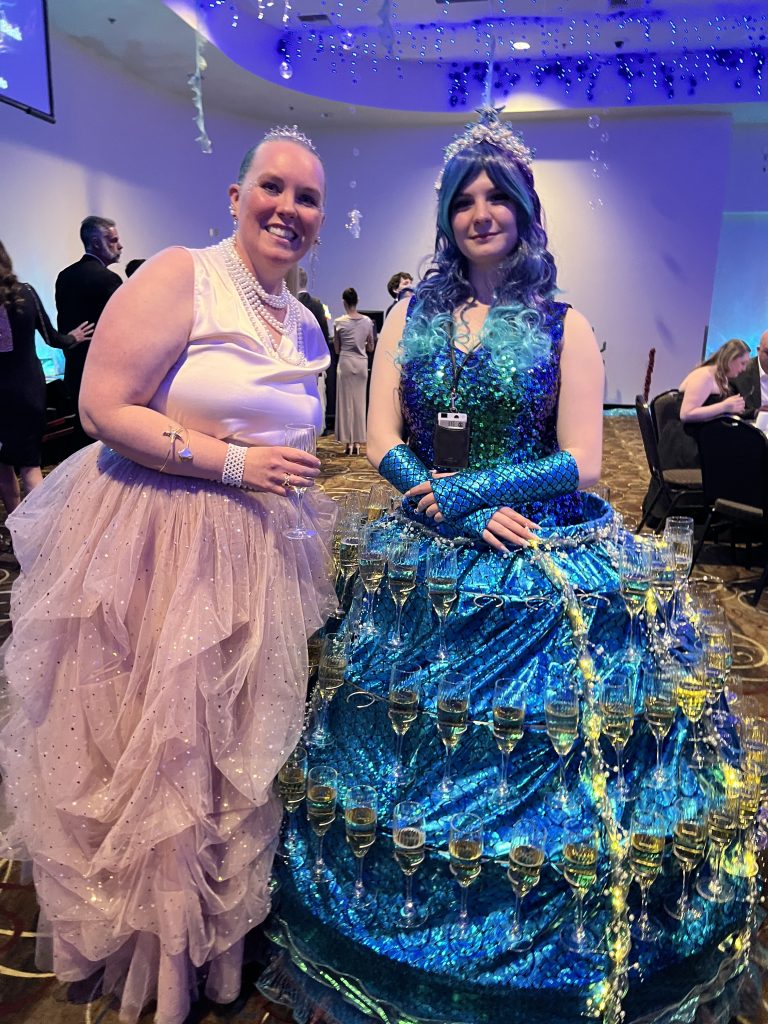
Community members from across Lincoln County gathered for the “Adventures Under the Sea” Gala supporting the Lincoln County Children’s Advocacy Center (CAC). The event was more than a celebration — it was a reminder that protecting children and supporting families requires an entire community working together.

The Children’s Advocacy Center has quietly served Lincoln County families for decades, helping children navigate some of the most difficult circumstances imaginable in a safe, trauma-informed, and compassionate environment. Since opening in 1997, the Center has provided services to more than 2,000 children and families throughout Lincoln County.

The CAC exists to reduce trauma for children who may be victims of abuse or neglect through coordinated care, forensic interviews, medical assessments, advocacy services, counseling, and prevention education.

One of the most important aspects of the CAC model is that it helps reduce the number of times a child must retell painful experiences. Instead of navigating multiple disconnected systems alone, families are supported through a coordinated team approach involving law enforcement, child welfare professionals, medical providers, counselors, and advocates.

The organization also invests heavily in prevention and education. Their programs help adults recognize warning signs of abuse, respond appropriately, and create safer environments for children throughout our communities.

Importantly, these services are provided to Lincoln County families at no cost. The Center serves approximately 200 child abuse assessment cases annually.

Organizations like the Children’s Advocacy Center depend heavily on community partnerships, volunteers, donors, grants, and local support to continue their work. Events like the gala help fund counseling services, advocacy programs, prevention education, forensic interviewing resources, therapy support, and outreach efforts that directly impact vulnerable children and families in our county.

How You Can Support the Children’s Advocacy Center

There are several ways community members can help:

  • Attend future fundraising events
  • Volunteer your time and skills
  • Support prevention education efforts
  • Share awareness about child abuse prevention
  • Make a direct financial contribution
  • Advocate for strong community support systems for children and families

The Center welcomes volunteers in advocacy, prevention programs, fundraising support, clerical assistance, and community outreach.

The CAC also announced that gala photos are now available for complimentary download, and next year’s gala has already been scheduled for April 17, 2027 at Chinook Winds Casino.

To learn more, donate, volunteer, or explore prevention training opportunities, visit the Lincoln County Children’s Advocacy Center website:
Lincoln County Children’s Advocacy Center

Gala photos:
2026 Gala Photo Gallery

The work of protecting children is not the responsibility of one organization alone. It requires compassionate professionals, engaged community members, and a shared commitment to ensuring every child in Lincoln County has the opportunity to feel safe, supported, and heard.

Building a COAD

Over the past several months I have attended multiple Lincoln County COAD (Community Organizations Active in Disaster) meetings. These conversations have reminded me of my former role serving as Public Information Officer for both the Lincoln County Board of Commissioners Office and the Emergency Operations Center during major emergencies and disaster response efforts.

What is a COAD?

What I continue to see is an inspired effort to bring together local organizations, volunteers, nonprofits, faith-based partners, emergency management professionals, and community leaders to strengthen Lincoln County’s disaster preparedness and long-term resilience.

The former Long-Term Recovery Group (LTRG), originally created following the 2020 Echo Mountain Wildfire, is now transitioning into a broader countywide COAD model focused on helping Lincoln County prepare before disasters occur — not simply responding afterward.

I have been encouraged by the many individuals participating in this effort, including former Commissioner Kaety Jacobson, who is helping coordinate many aspects of the transition, along with representatives from Oregon State University Extension, Lincoln County Public Health, wildfire preparedness specialists, emergency response partners, and numerous community organizations.

Explore these links! Local Expertise at Work.

• Aaron Groth — Regional Fire Specialist with Oregon State University Extension
https://extension.oregonstate.edu/people/aaron-groth

• Dan Norton — Lincoln County Public Health
https://www.youtube.com/watch?v=g88ssbxOAB4

• Dustin Rymph — Oregon State Fire Marshal Office (OSFM), former Southwest Oregon Forest Protective Association program manager, and contributor to community wildfire and air quality resilience efforts
https://www.oakridgeair.org

Current efforts include planning around community sheltering, animal evacuation and sheltering, donations management, emergency communications, volunteer coordination, and long-term community resilience.

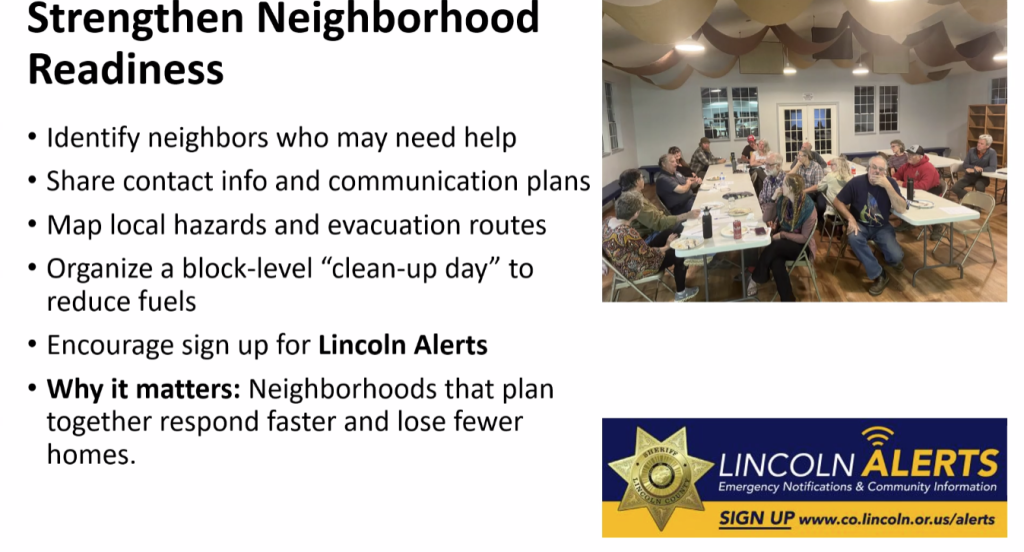
Sign up for Lincoln Alerts

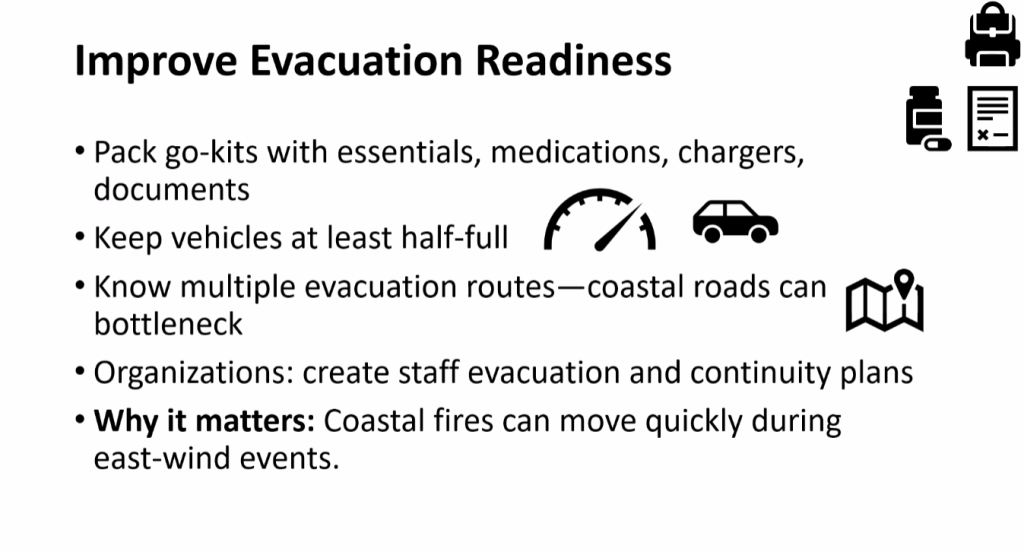
As we enter wildfire season and continue facing risks from storms, flooding, earthquakes, power outages, and other emergencies, preparedness at every level matters.

Community preparedness starts at home. Residents should consider building emergency supply kits, developing family communication plans, preparing for evacuation scenarios, staying informed about local hazards, and checking on neighbors and vulnerable populations during emergencies.


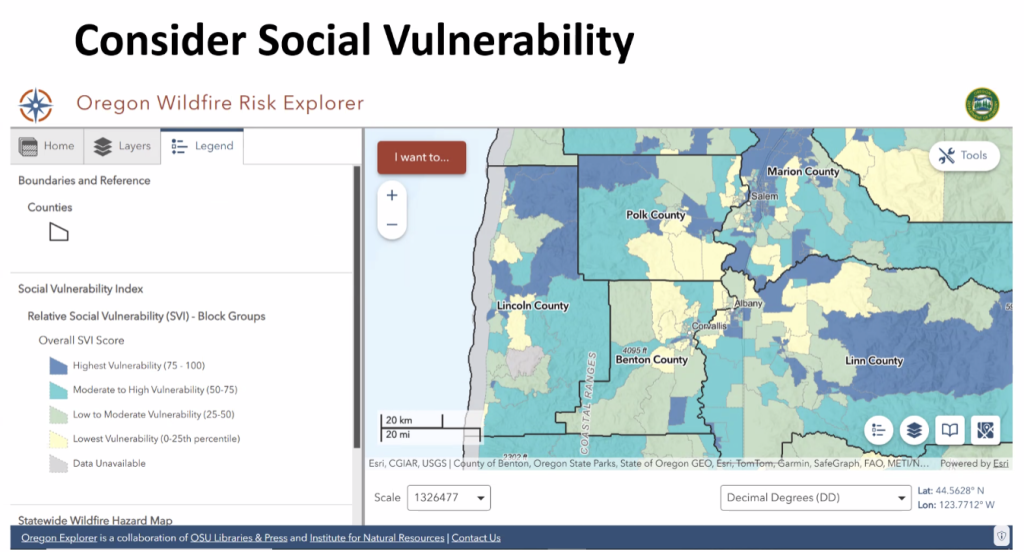
Oregon Wildfire Risk Explorer

The Lincoln County COAD is actively seeking participation from volunteers, nonprofits, businesses, faith-based organizations, emergency response partners, and residents interested in preparedness and resilience. Strong local partnerships built before disasters occur can make a major difference when emergencies happen.

Preparedness is not just a government responsibility. It is a community responsibility — and building resilience starts long before disaster strikes.

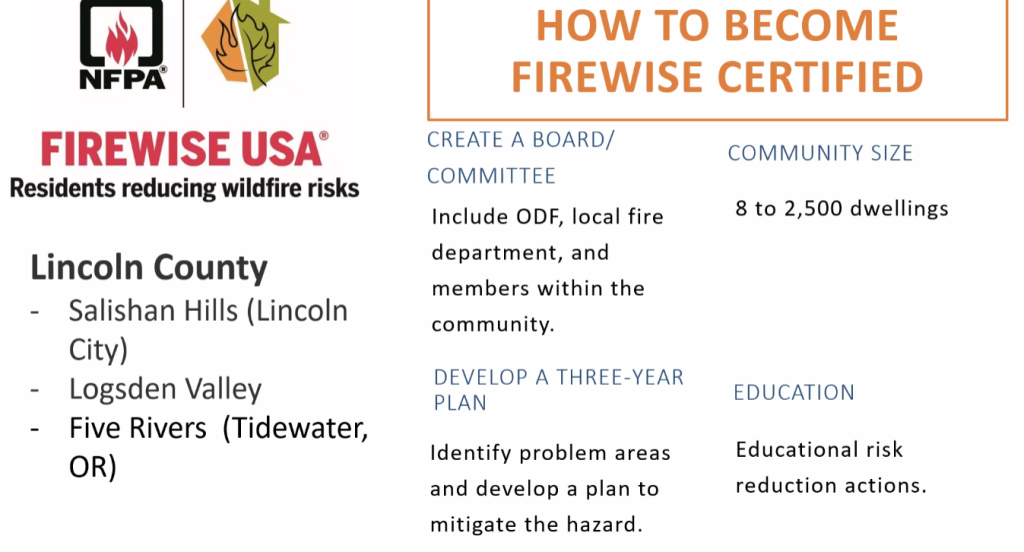
Oregon Wildfire Readiness Guide


Help build our COAD!

Residents interested in becoming involved with Lincoln County COAD efforts, preparedness planning, volunteer coordination, or future training opportunities are encouraged to reach out to:

Allyson West
Lincoln County LTRG / COAD
director@lincolncoad.org

Community members do not need to wait until a disaster occurs to become involved. One of the major goals of the Lincoln County COAD effort is building relationships, volunteer networks, communication systems, and preparedness capacity before emergencies happen.

Budget 26-27

26-27 Proposed Budget (Mobile Phone Optimized) – 5.19.26

– Fiscal Year 2025-26 Budget Book (Stories OPENGOV)
– Fiscal Year End Audit 25 (Unavailable) – Finance and departmental staff are currently assisting the auditors to complete the audit for the 2024-2025 fiscal year.

The FY26–27 Proposed Budget Message outlines a county government attempting to balance rising operational costs, service demands, staffing pressures, and financial uncertainty while maintaining core public services. Lincoln County is attempting to maintain (and in some areas expand) public services during a period of significant uncertainty involving inflation, healthcare costs, staffing pressures, administrative instability, and unpredictable federal/state funding.

REVIEW THE 26-27 PROPOSED BUDGET – PROVIDE FEEDBACK

The purpose of the budget and the Budget Committee is much larger than simply approving numbers. Budgets reveal organizational priorities more honestly than rhetoric. A budget is not merely a financial document — it is a public expression of values, priorities, leadership, and policy direction.

“Will the 26-27 proposed budget accurately reflect the county’s priorities, risks, and stewardship of taxpayer dollars?”

The committee exists to publicly determine whether county resources, staffing, and priorities are aligned with the community’s values, operational realities, legal obligations, and long-term financial sustainability. The budget process should create opportunities for elected officials, budget committee members, and the public to challenge assumptions, ask questions, understand definitions and mechanics, and where possible improve upon historical practices. Through transparency, strategic planning, and public participation, the budget process helps ensure that community priorities, fiscal responsibility, and quality public services remain connected and sustainable over time.

In the absence of a countywide strategic plan, the Budget Committee can still meaningfully rely upon Lincoln County’s mission statement as a foundational guide for fiscal and operational decision-making. The mission of Lincoln County is “to provide legally required and locally desired essential public services in an efficient, effective, and respectful manner.” Until the County establishes more uniform long-term strategies, measurable goals, and coordinated organizational priorities, the departmental budget narratives themselves help communicate the evolving aspirations, responsibilities, and service objectives of county government.

At its core, the county’s foundational service profile — public safety, health and human services, infrastructure, planning, administration, and community support systems — is inherently tied to the economic stability, resilience, and overall well-being of the community. Sustainable budgeting therefore is not solely about balancing expenditures and revenues, but about responsibly maintaining the organizational capacity necessary to support essential services, community confidence, and long-term public value for the residents of Lincoln County.

“As we move into the FY 2026–27 budget process, I want to continue encouraging a transparent and deliberative public discussion regarding the county’s financial priorities, organizational structure, and stewardship of taxpayer dollars.”

Under Oregon budget law, the Budget Committee plays an important oversight role prior to formal budget adoption. ORS 294.428 specifically provides that the Budget Committee may: “demand and receive from any officer, employee or department… any information the committee requires for the revision and preparation of the budget document.

The process is intended to allow committee members and the public to: and examine organizational and financial issues before adoption. ask questions, request clarification, understand assumptions, and examine organizational and financial issues before adoption.

New HHS Director

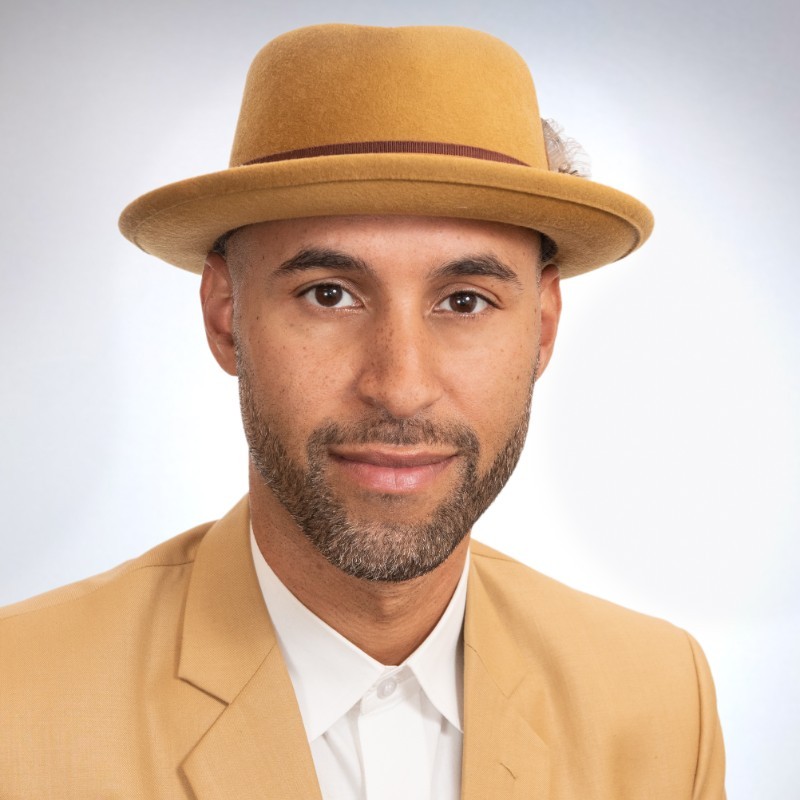
Victor Jackson, an administrative health care professional with experience all over the world and in varied health care fields, on May 18 joined Lincoln County as Director of Health and Human Services.

Jackson was born and raised in New Jersey, spending much of his time in Philadelphia. His first introduction to health care was his family – his mother is a retired registered nurse, and his father was a behavioralist at a state facility for the developmentally disabled.

“They really taught me to treat people like family,” he said. “They’re still alive and well on the East Coast. I’ve got a number of siblings that are there. Advocacy starts at home – my real passion for health care started with wanting to advocate for the needs of family members that had severe chronic conditions. My passion for advocacy in the health care space was born in my home.”

He earned his undergraduate degree in public health from Richard Stockton College and his master’s in public administration-health care from Kean University, both in New Jersey. He began his health care career at a Federally Qualified Health Center in Philadelphia.

“It was a very, very diverse patient population – 90% did not speak English,” Jackson said. “That’s where I cut my teeth, so to speak, understanding the needs of marginalized communities and how to get the best care possible to them.”

From there, Jackson moved on to working in international health care, moving to the West Indies for five years, working in acute care settings in Trinidad and Antigua/Barbuda.

“Some of the great successes there were bringing cancer treatment services and, of course, managing some of the chronic conditions that we typically had to send out of the country for care,” Jackson said.

Following his time in the Caribbean, Jackson moved to Egypt, working in academic acute care settings in Cairo for a couple of years before moving to Mumbai, India, to work for a private charity hospital.

“It was a phenomenal facility. Its goal was to provide care irrespective of the caste that a person was born in,” Jackson said. “One of the things consistent throughout my career was providing exceptional care irrespective of someone’s background or their ability to pay. I’ve very much enjoyed that public health perspective.”

Jackson then returned stateside and made his first move to the West Coast, landing in Portland. There he managed a long-term, acute care facility with critical patients that would be in the ICU in a typical short-term hospital.

“During the pandemic, I had the wonderful opportunity to serve as CEO for a non-profit whose primary business was behavioral health and substance use disorder,” he said. “We were the largest in southwest Washington and stood up programs like mobile outreach and a very large substance use disorder facility.”

Jackson now brings that varied, global perspective on health to Lincoln County.

“I went into public health wanting to touch every aspect of care, and it’s allowed me to focus on the whole person,” he said.

“I saw the opportunity to join Lincoln County, and the first thing is, I really understand rural health care and the challenges that come with it. I also understand being in sort of a tourist market, having served in the islands, and I think people have this misconception that you work in a tourist place, it certainly must be easy to recruit, but that’s not always the case,” Jackson said. “I understand the nuances of working in that space, but I also appreciate the environment, and how that supports your ability to show up every day and be the best version of yourself. I do better in environments that are more rural, where I can go hiking and go to the beach, as opposed to urban environments with a very different dynamic.

“I count it as a high honor to be able to be front facing in public health, and I see no reason why people can’t come to expect excellent care, good customer service, and really a standard of care that is quite exceptional. It doesn’t have to be the last choice, it can be the first choice, and by extension the employees can feel proud to work in a place that provides exceptional care,” he said.

Among Jackson’s key focuses will be what he calls one of the biggest drivers of health decline – housing insecurity – and finding ways to partner with other agencies around affordable housing. He also plans to work on managing chronic conditions “in a way that meets people in the place and time of their need, expanding mobile outreach.” He also plans to partner more fully with other health care organizations.

Human Resources Director David Collier welcomed Jackson to the county, describing him as a friendly individual “with good ideas and great energy.”

Traci Sackett, HHS finance manager and previous acting co-director of the department, also noted Jackson’s high energy level and his readiness to start on day one.

Valerie Davis, HHS deputy director of Quality and Risk Management and acting co-director with Sackett, said, “Victor’s personality is warm and inviting. He is a good listener and had thoughtful responses to questions and in his general interactions with others in the various panel sessions.”

Jackson now lives in the Depoe Bay area with his seven-year-old English bulldog. He has an adult son.

3rd Annual “Youth Pitch”

Lincoln County’s economy depends on a strong network of partnerships, education, entrepreneurship, and community investment.

The Lincoln County Board of Commissioners is proud to support both the Oregon Coast Community College Small Business Development Center (SBDC) and the Economic Development Alliance of Lincoln County (EDALC) through the Commissioners Economic Development Fund. Together, these organizations help strengthen the entire business ecosystem of Lincoln County.

From startup advising and workforce development to youth entrepreneurship, business planning, digital marketing, and capital access, these programs provide real-world tools that help local businesses grow and succeed.

NEWS (5.17.26)Board Of Commissioners Receive Update From OCCC – Oregon Coast Breaking News
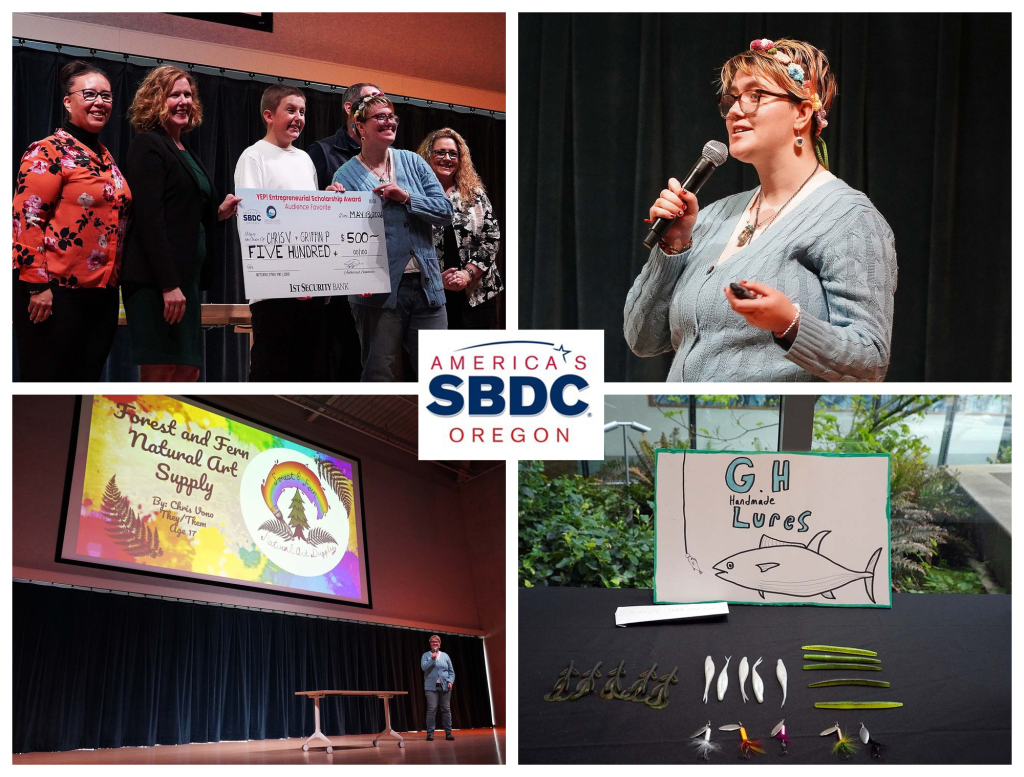
NEWS (5.14.26)Oregon Coast Community College Hosts Youth Entrepreneurial Pitches – Lincoln County News Source

The Oregon Coast Community College SBDC alone served hundreds of clients in 2025, helped launch new businesses, supported job creation, and provided dozens of training opportunities for entrepreneurs across our county.

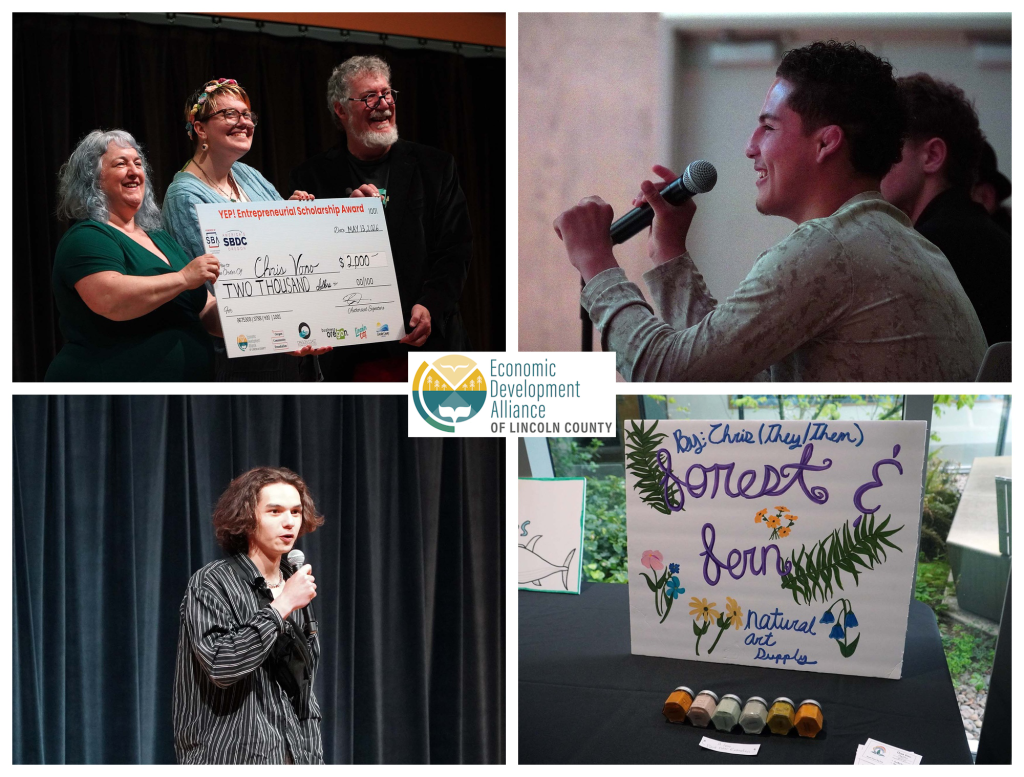
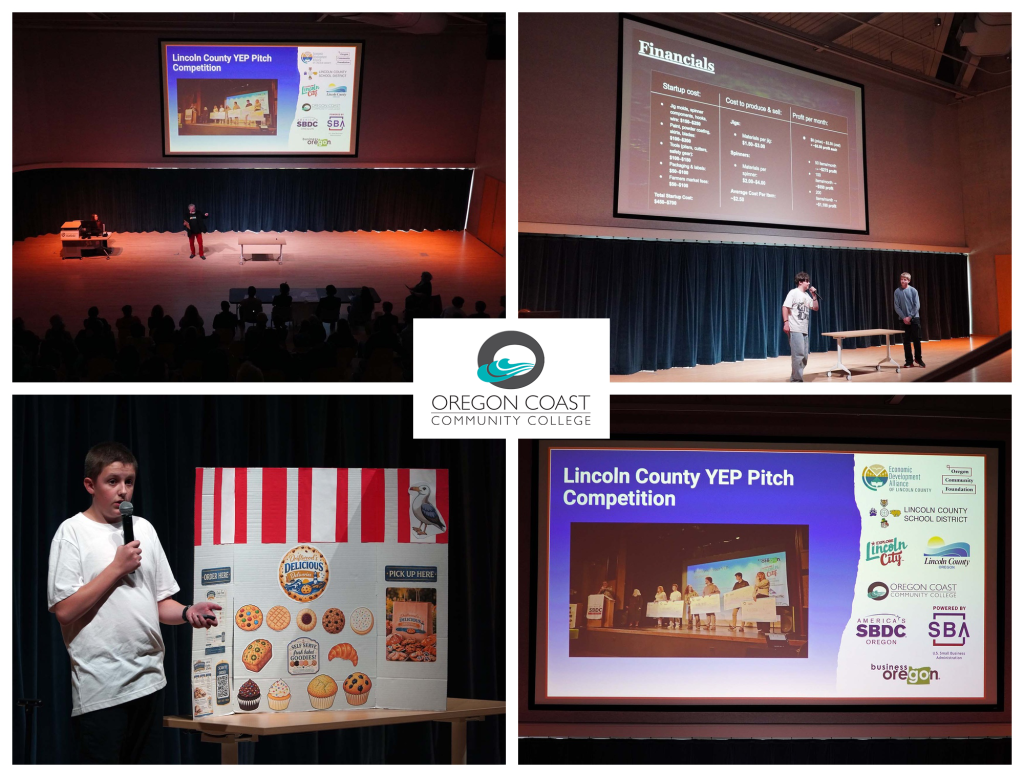
One exciting example is the Youth Entrepreneurship Program (YEP), a partnership involving OCCC, EDALC, local schools, foundations, Lincoln County, and community partners. The program helps local students explore entrepreneurship, develop business ideas, and gain practical leadership and presentation skills.

Economic development is more than recruitment — it is about investing in people, supporting innovation, strengthening existing businesses, and creating opportunities locally.

Lincoln County appreciates the collaborative work being done by OCCC, SBDC, EDALC, educators, business leaders, and community partners to help build a resilient and sustainable local economy for today and for future generations.

Elders Chapter Hears from Candidates

Elders Climate Action Oregon Chapter – Commissioner Candidate Meeting – 5.14.26
Elders Action Network broadly represents a growing movement of older Americans working to address the environmental, social, and governance challenges of our time.

Elders Climate Action Oregon Chapter is a synthesis of the Elders Acton Network in our coastal communities to have discussions and share information with each other regarding climate and environmental topics.

At the Oregon Chapter 5.14.26 meeting candidates were asked to give a brief 10-minute presentation outlining their views on climate and environmental issues and to explain how their knowledge, experience, and values would guide their decisions on these issues as an elected county commissioner.
Elders organizers expressed interest in hearing each candidate’s personal story, priorities, and commitment to protecting the planet for current and future generations — a legacy Elders hope to leave for younger generations.

Casey Miller, Cristen Don, Marci Baker, and Walter Chuck presented.

Elders mission recognizes that elders carry decades of experience, wisdom, and perspective that can help communities navigate increasingly complex challenges including climate change, democratic participation, economic justice, and sustainable living.

We appreciate Mike Allen, founder and co-leader of the Oregon Chapter, along with Martin Desmond and Tom Kerns, for creating this opportunity!

May we all get connected and learn more – visit (https://www.eldersclimateaction.org/)

Elders Action Network (EAN) including its projects, Elders Climate Action (ECA) and Elders for Sound Democracy (ESD) are nonprofit and nonpartisan, elder-centered and volunteer driven working to engage older generations to advocate for policies and practices that protect our air and water, our democracy, our economy, our communities and our health—now and for generations to come.

Siletz Law Enforcement

BUDGET LINK – FY 2026-27 BUDGET CALENDAR

Community members are always encouraged to ask questions or provide feedback regarding the Siletz Area Enhanced Law Enforcement Service District>

Contact – Lincoln County Sheriff’s Office Patrol Division
Lieutenant Karl Vertner
📞 541-265-4277

If you are in east Lincoln County, keep an eye out for Community Deputies Rigo Vera and Bo Douglas working throughout the contract area.

The Siletz Area Law Enforcement Service District continues to support visible community policing and local engagement. In 2025, deputies conducted approximately 195 traffic stops, 600 area checks, and made 55 criminal arrests within the district.

The next Siletz Enhanced Budget Committee Meeting will be held:
📍 Siletz City Hall / Electronic Access
📅 May 27, 2026
🕕 6:00 PM

BUDGET INFORMATION ONLINE – HERE

This year the Sheriff’s Office partnered with the community during National Night Out in August — an annual event focused on strengthening relationships between law enforcement and the community. Additional district funding helped expand the event with four bounce houses and community activities, while the Siletz Valley Charter School Culinary Class and Bristo’s food truck helped serve approximately 500 meals to attendees.


Review the 2025 Annual Report and Strategic Plan (2025–2028) to learn more about the accomplishments, activities, and services provided by your Sheriff’s Office.

The 2025–2028 Strategic Plan centers around three overarching goals designed to promote team growth and development, organizational excellence and customer service, and community safety and collaboration.

The three goals in this plan are: (1) Enhance team safety, growth, and retention by creating a safer, more engaging and wellness-focused environment. (2) Foster organizational excellence, earn and maintain public trust, and deliver outstanding service through continuous improvement, transparency, and by prioritizing community needs. (3) Enhance community safety and improve quality of life for residents and visitors through proactive law enforcement, collaboration, and innovative solutions.
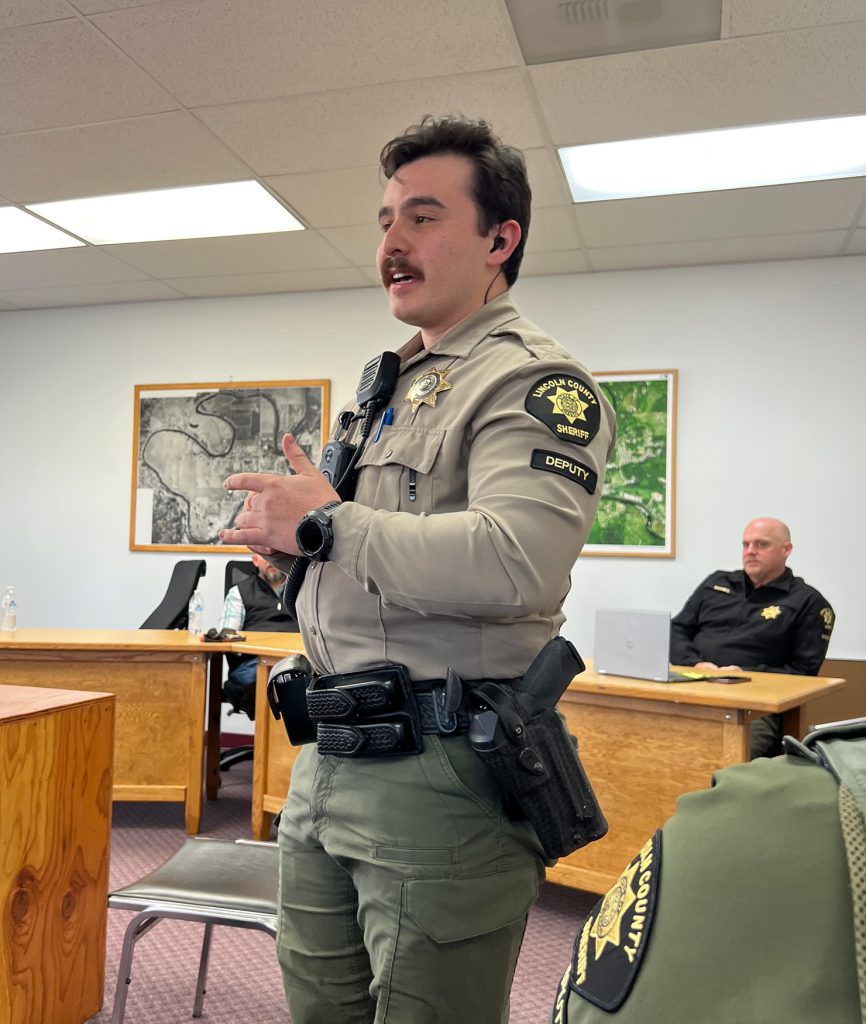
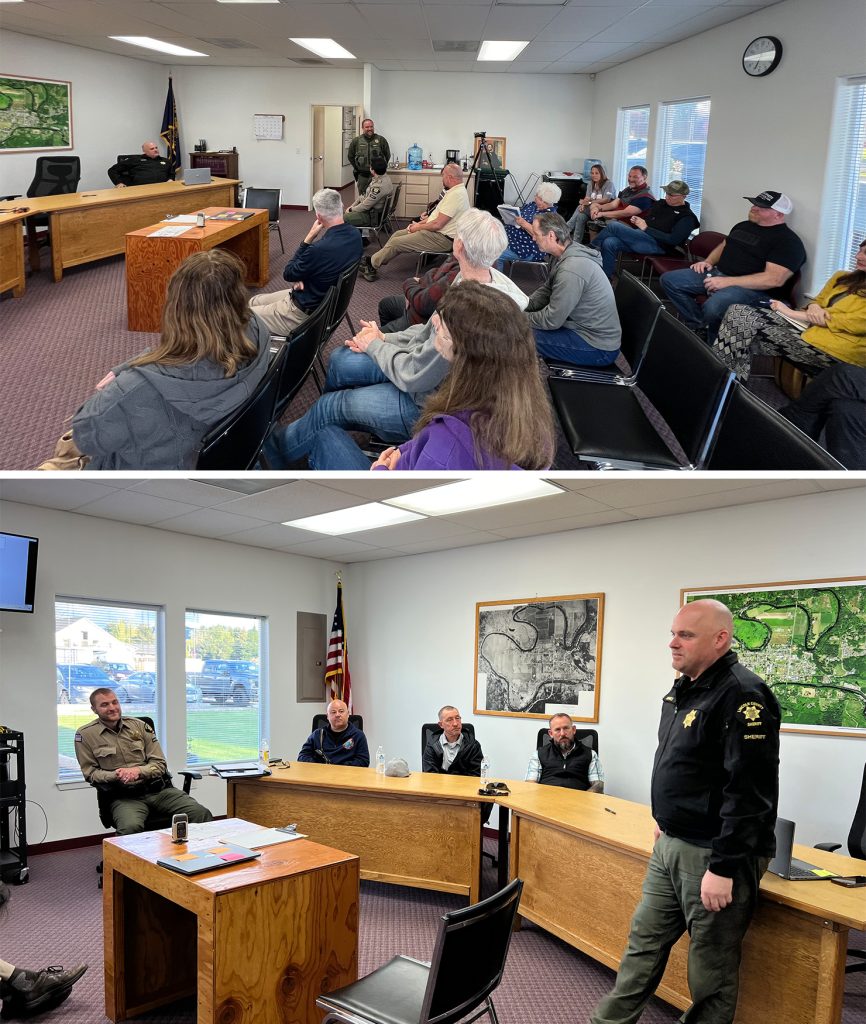
Photos are from the recent community meeting that covered services and reviewed project funding within the district. It was a great opportunity for community discussion, questions, and public feedback. If you missed it – you can provide input or ask questions anytime!

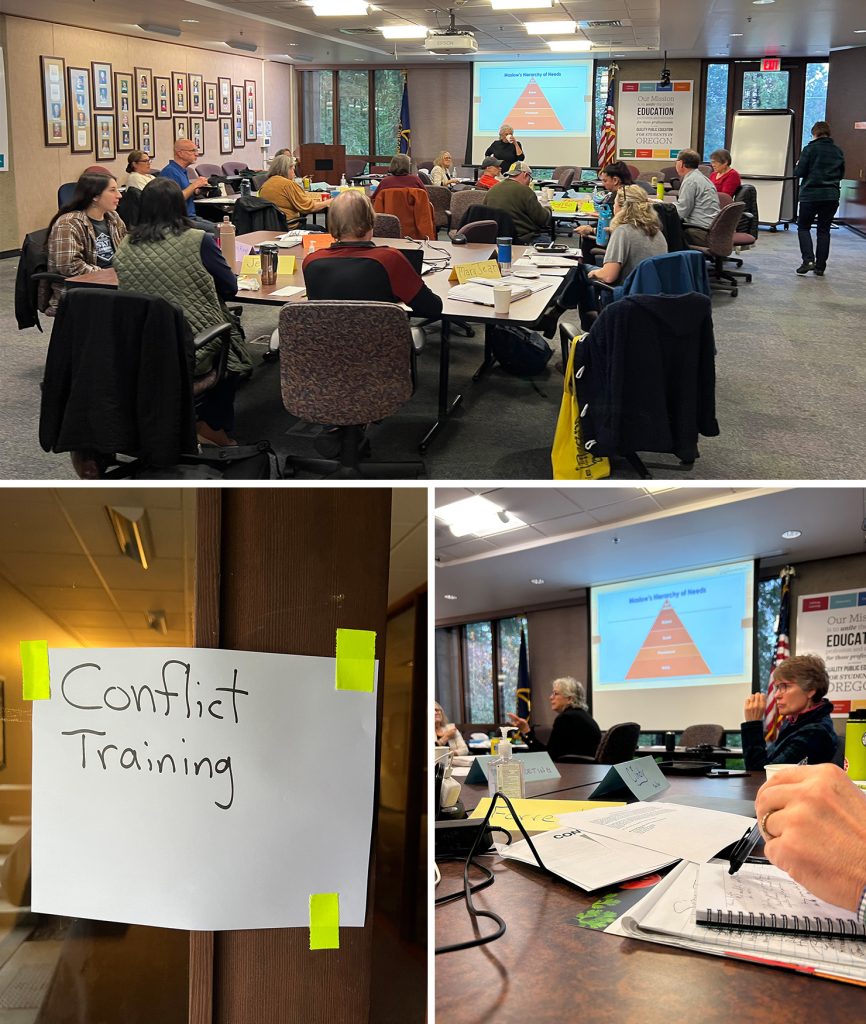
Conflict Resolution = Openness & Accountability

I spent many years serving Lincoln County as a Public Information Officer before becoming a commissioner. One of the greatest joys of that work was helping people — providing information, solving problems, and helping our community navigate government more effectively.

When we show up from an authentic space – we strengthen trust itself. People sense when someone is really listening and really trying to help.

One of the reasons I decided to run for county commissioner in 2022 was that I believed we could expand trust inside the organization and outward to the community.  When I first took office, I spent much of my time listening and observing. What is secret sauce of relationships and ultimately our democratic ideals?

I began to recognize deeper organizational challenges. While many talented people work within county government, we had yet to develop a unified internal vision connecting departments, leadership, and public service goals.

Before my exile our internal teams were beginning to explore how we could improve our level of service to each other. There was hope and I felt optimistic despite the ongoing revelations of just how challenging change culture can be.

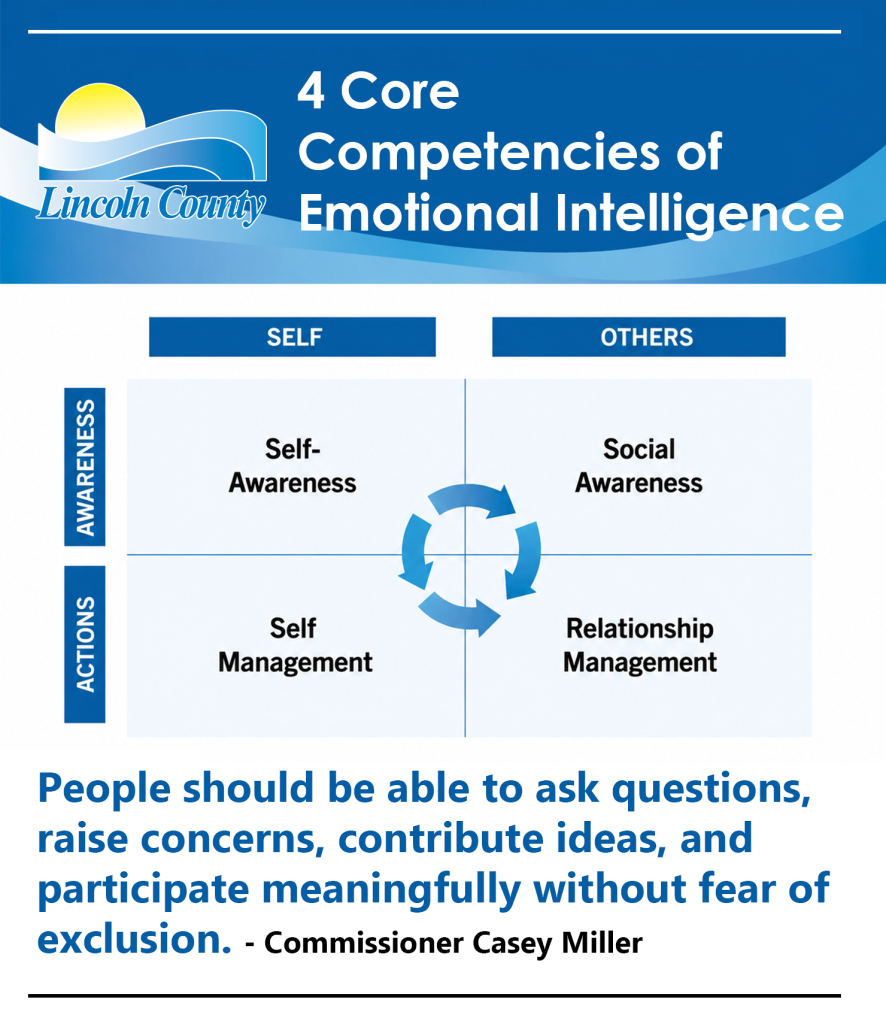
Healthy organizations — especially public institutions — need psychological safety. People should be able to ask questions, raise concerns, contribute ideas, and participate meaningfully without fear of exclusion or retaliation. That principle applies everywhere: families, workplaces, community organizations, and government alike.

[LEARN – Use mediation skills to help resolve conflicts in workplace, court, business, or community-related disputes.].

People often ask me how I continue after 17 months of conflict, exclusion, and uncertainty.

The truth is: it has been difficult.

But this experience has also reinforced something important to me — democracy is tested less when times are good. We are all deeply tested when disagreement becomes uncomfortable. When we lose our resilience to remain open and collaborative things can spiral quickly.  

I did not run for office because I believed governing would always feel good or because public service would always be affirming. I ran because I believe collaboration works best when:

  • questions can be asked openly,
  • processes are transparent,
  • people are treated respectfully,
  • staff, elected officials and the public can continue to engage

What keeps me going are the people who say, “Please keep asking questions.” At the same time, I really appreciate those who recognize that we are all neighbors, coworkers, and possibly friends. May we let curiosity be stronger than fear, strive to stay calm under pressure and use transparency to build empathy and trust.  

[LEARN – Why Emotional Intelligence Is Important in Leadership]

Spring Events – May 16th

Spring is bringing communities together across Lincoln County!

On May 16th, two incredible events are happening on the Central Oregon Coast celebrating healthy families, creativity, local businesses, and community connection.

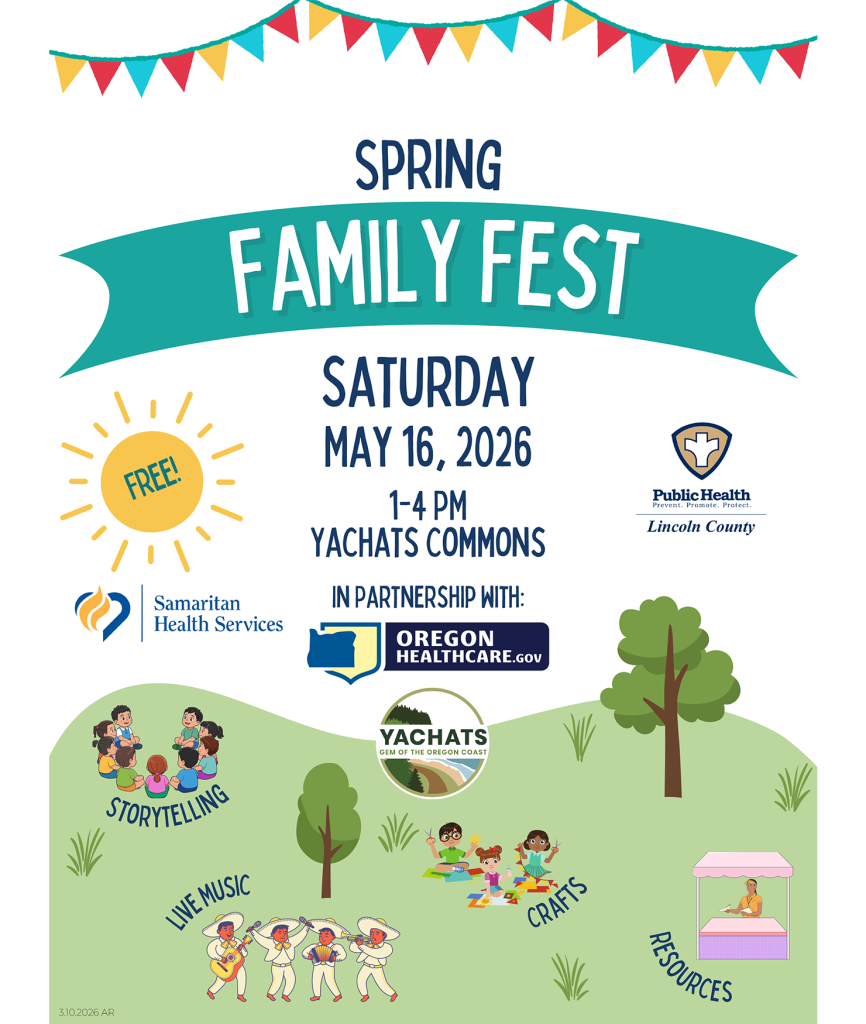
Spring Family Fest
Hosted by Lincoln County Oregon Public Health
📍 Yachats Commons
🕐 1–4 PM
Families can connect with local programs supporting children, parents, and caregivers while enjoying free activities, resources, and community engagement.

Public health is rooted in the idea that everyone deserves the opportunity to be healthy, safe, and supported in their community.

Hosted by the Maternal Child & Family Health Community Advisory Board in partnership with Oregon Health Insurance Marketplace, Yachats Commons, and IHN-CCO.

More information:
https://www.facebook.com/LincolnPublicHealth

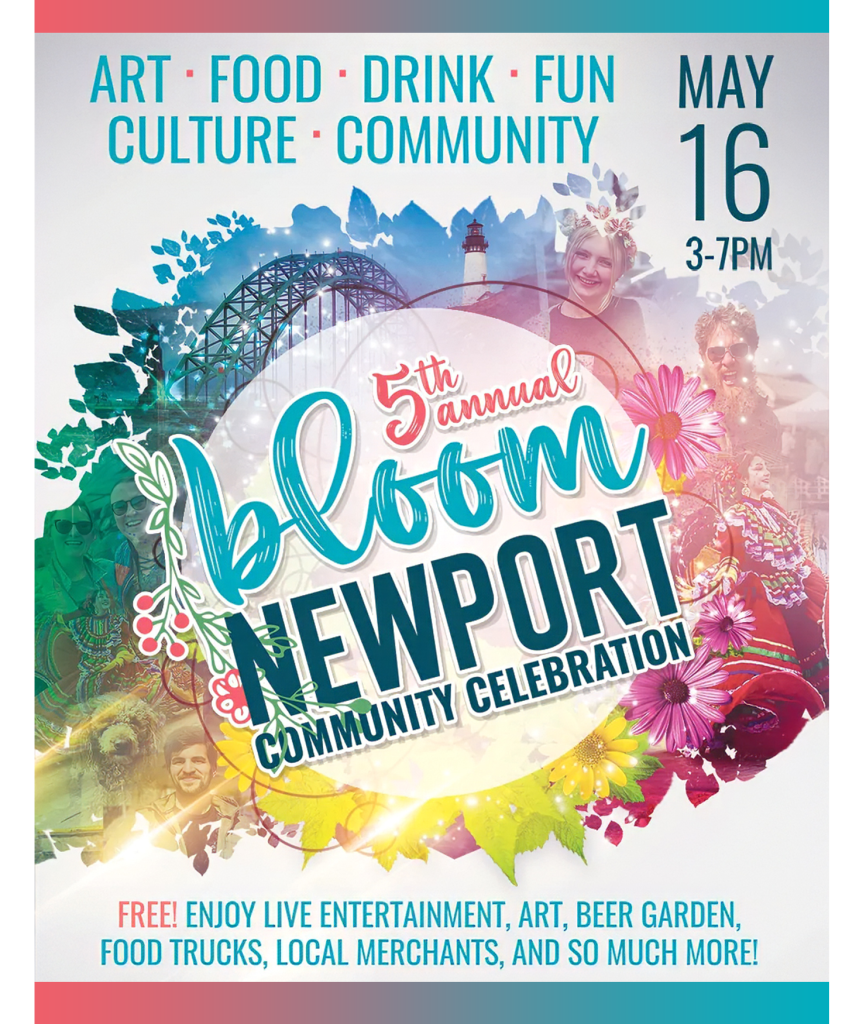
5th Annual Bloom Newport
Hosted by Oregon Coast Council for the Arts
📍 Newport Performing Arts Center
🕒 3–7 PM

Bloom Newport is a vibrant, free community festival celebrating local artists, makers, musicians, nonprofits, conservation groups, food, creativity, and connection. From workshops and performances to interactive experiences and family-friendly activities, this event highlights the incredible spirit and talent of our coastal communities.

What began as a Leadership Lincoln community project has grown into a celebration of diversity, resilience, collaboration, and new beginnings.

More information:
https://www.bloomnewport.org/

Whether you spend the day in Yachats, Newport, or both — May 16th is a great opportunity to support local organizations, celebrate community, and enjoy everything that makes Lincoln County special.

Newport Rotary

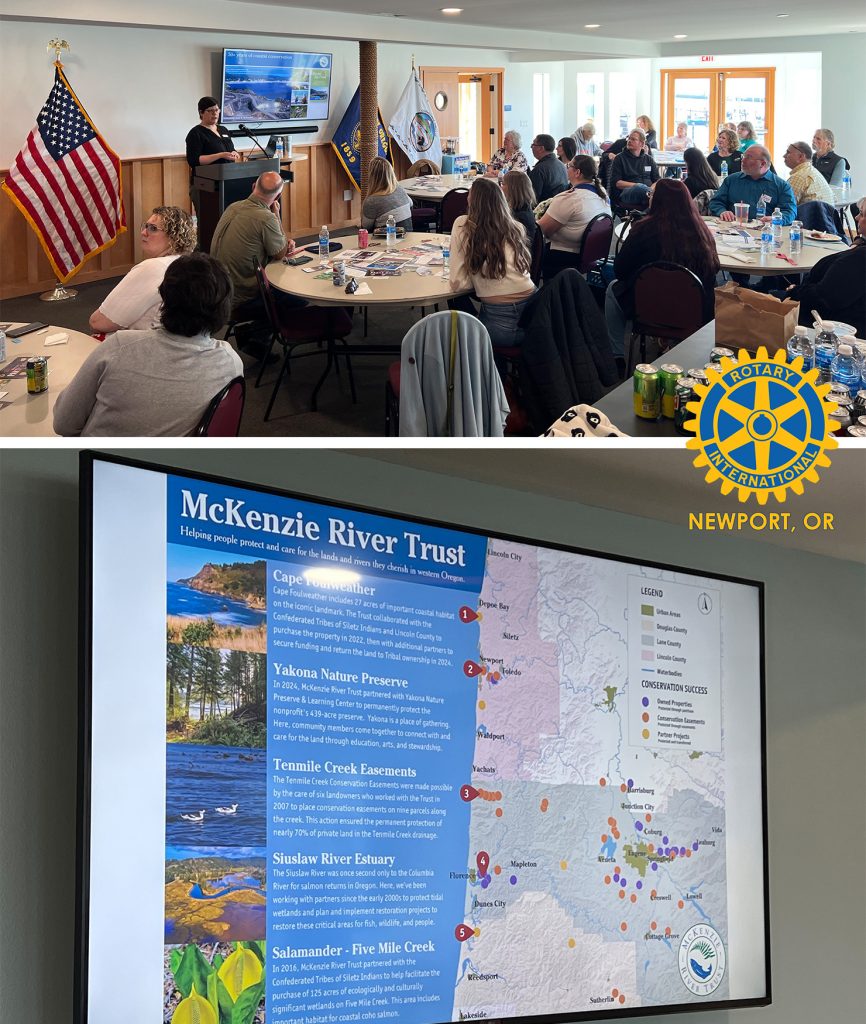
Valuable insights and community-driven work highlighted at a recent Rotary Club of Newport meeting:

McKenzie River Trust

A nonprofit land trust founded in 1989, working to protect critical habitats and scenic lands—from the McKenzie River basin to coastal headlands, rivers, streams, and lakes stretching from Reedsport to Lincoln City. Their work is a strong reminder of how conservation and community go hand in hand. (https://mckenzieriver.org/)

Lincoln County Solid Waste Disposal Service District

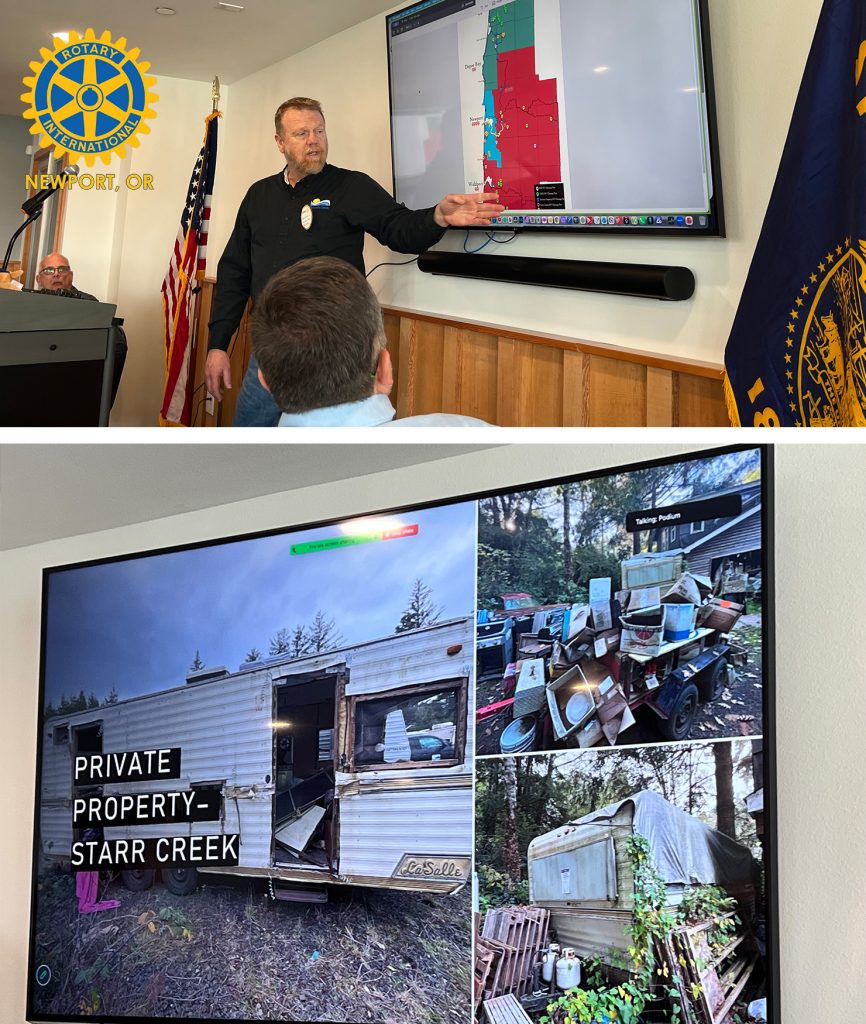
Staff shared updates on the County’s RV Abatement Program—an effort to remove abandoned RVs and vehicles from public roads and partner with cities and private property owners to address derelict units.

This program tackles the real costs of towing, disposal, and hazardous materials—an issue many of us have seen firsthand across the county. (https://lincolnchronicle.org/county-cities-try-to-deal…/)

Microplastics & Voluntourism – with Guy Faust

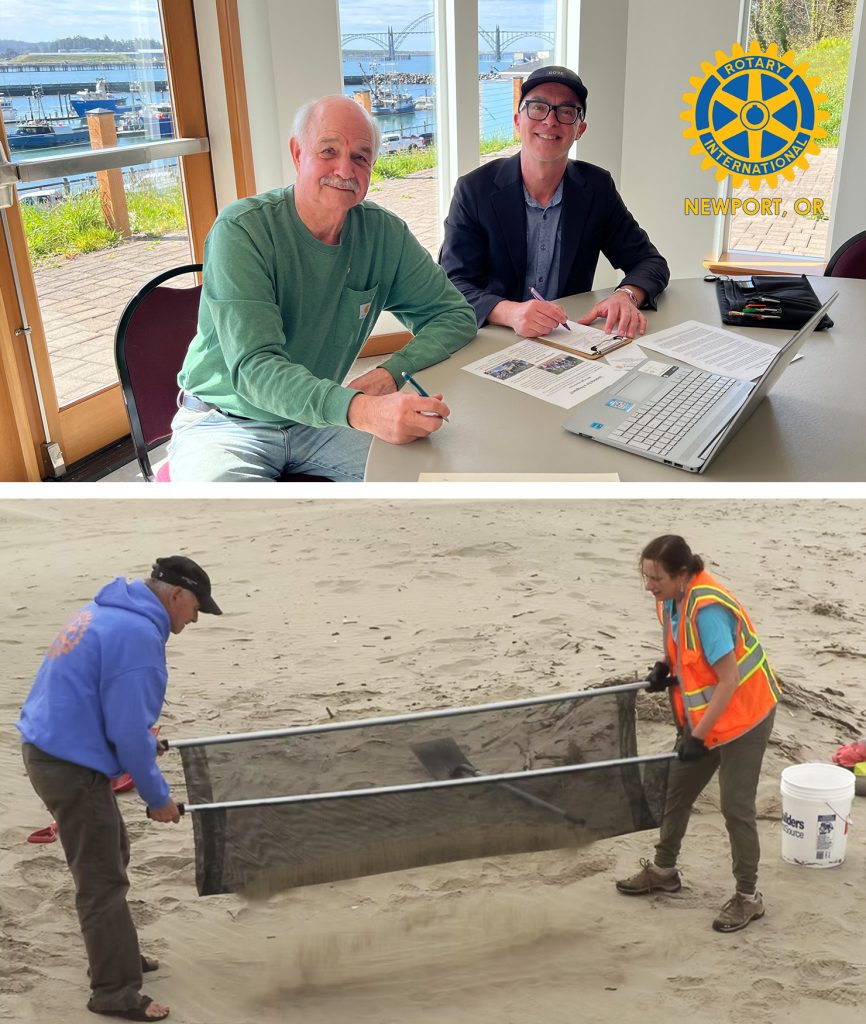
I had the opportunity to spend some time with Guy, a dedicated advocate for reducing microplastics on our beaches. Through Rotary-led efforts, individuals and groups can take part in hands-on beach cleanups along the Oregon Coast.

If you’re looking for a meaningful way to get involved this summer—this is it. (https://www.rotaryclubofnewport.org/about-microplastics) July 1 – September 6, 2026

https://www.rotaryclubofnewport.org/about-microplastics

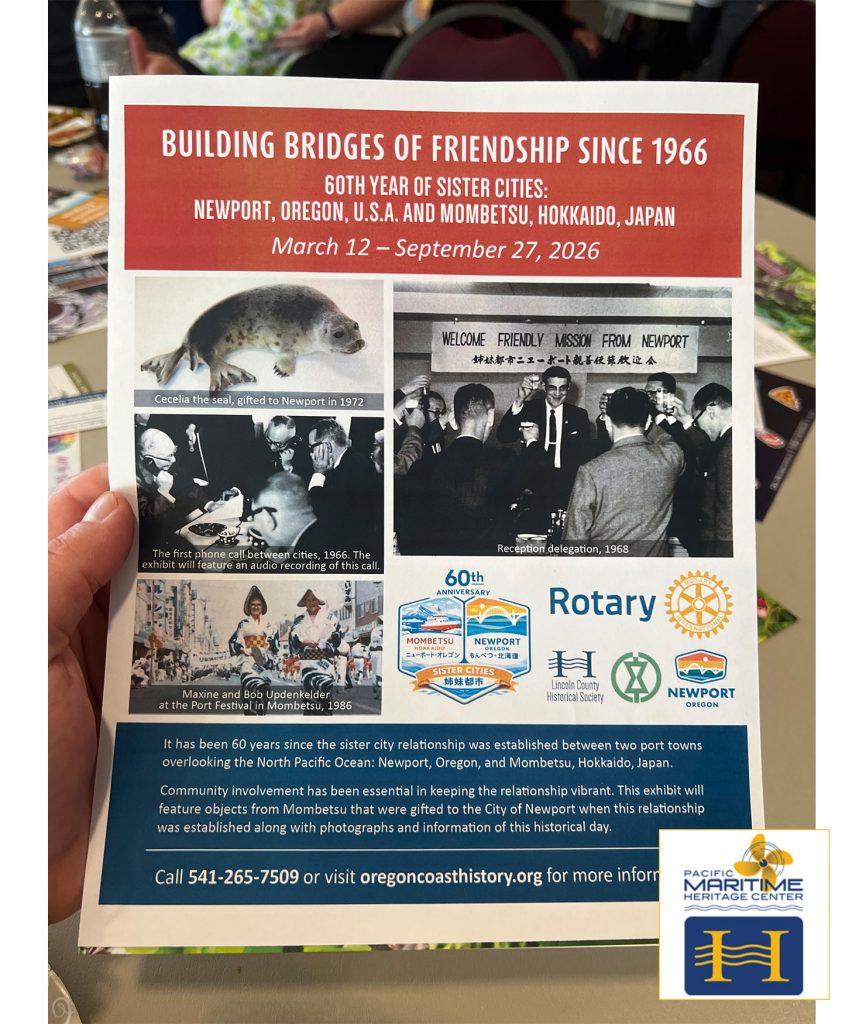
Pacific Maritime Heritage Center

Our meeting was hosted at this impressive facility operated by the Lincoln County Historical Society.

The center offers a multi-purpose meeting space and serves as an interactive cultural hub—connecting visitors to our working waterfront, maritime history, and educational programming.

If you’re planning an event, it’s worth checking out. (https://oregoncoasthistory.org/maritime-center/

Loyalty Days 2026

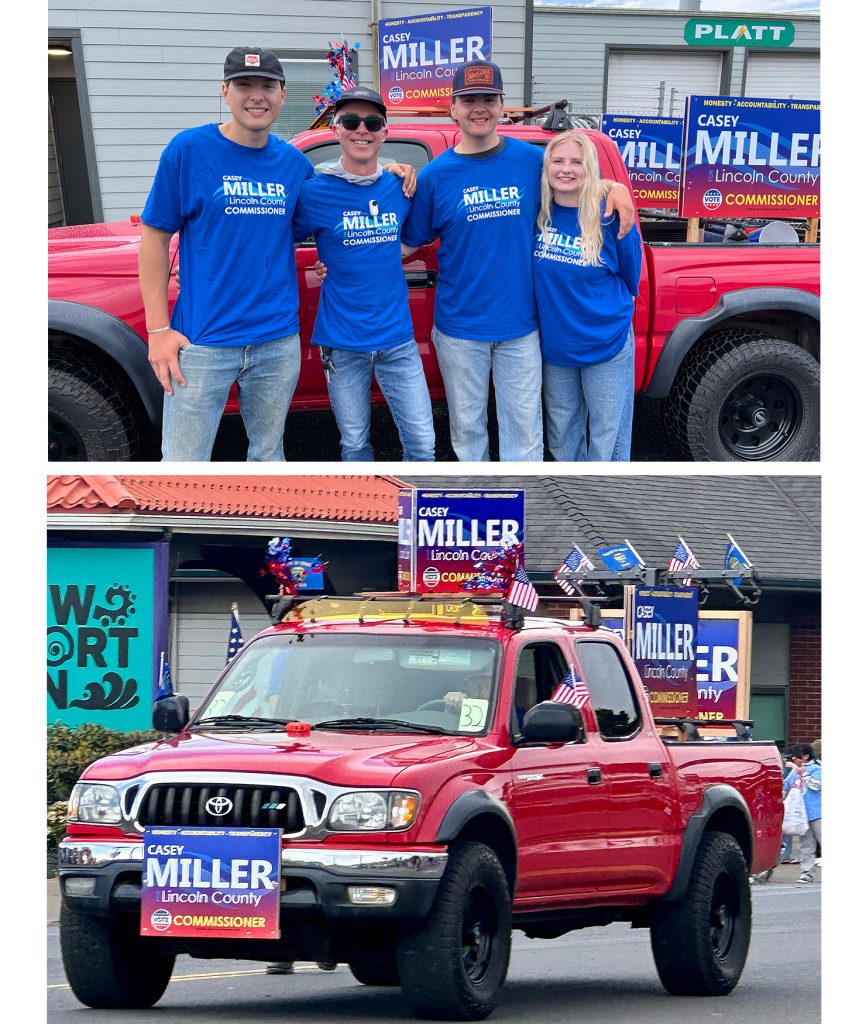
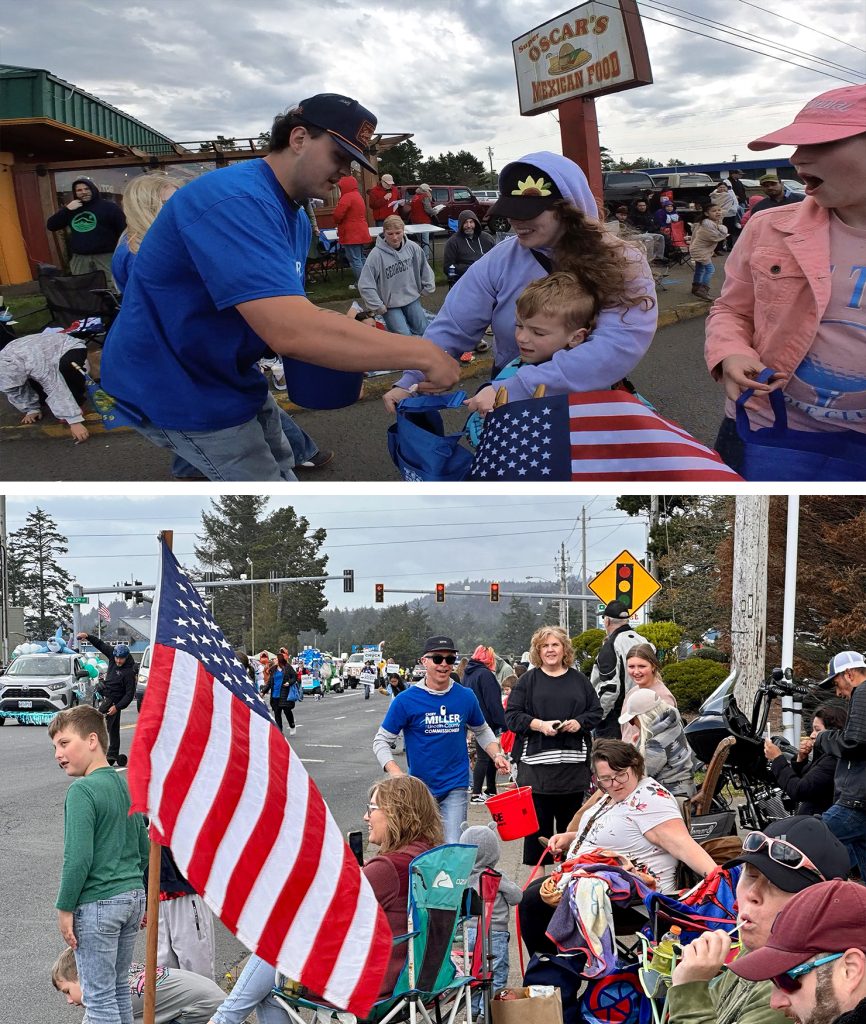
It was truly a pleasure to be part of Newport’s Loyalty Days parade this year!

Thank you to everyone who came out, shared kind words, and brought such positive energy. A big thank you to the organizers, sponsors, and volunteers who make this event possible every year.

I was a little anxious going into it. The past year and a half hasn’t been easy, but seeing familiar faces, hearing your encouragement, and having my nephews jump in was genuinely affirming.

Some people have asked me lately: why keep going?

The answer is simple. Over 13,000 of you trusted me to serve in 2022, and I don’t take that lightly. That responsibility means showing up, staying honest, and continuing the work – even when it’s difficult.

I believe Lincoln County Government can reflect the professionalism, transparency, and trust our community deserves. That’s what keeps me going. “We” have more to accomplish together. Mindset matters.

At the end of the day, this is about people – coming together, supporting one another, and building something better. (https://caseymillercommissioner.com/miller-v-lincoln-county-legal-filings-and-public-records/)

https://caseymillercommissioner.com/miller-v-lincoln…

#LoyaltyDays#NewportOregon#CommunityFirst#PublicService#Gratitude#LincolnCounty#Vote

O&C Lands

Commissioner Update: Federal Forest Lands and Lincoln County’s Role

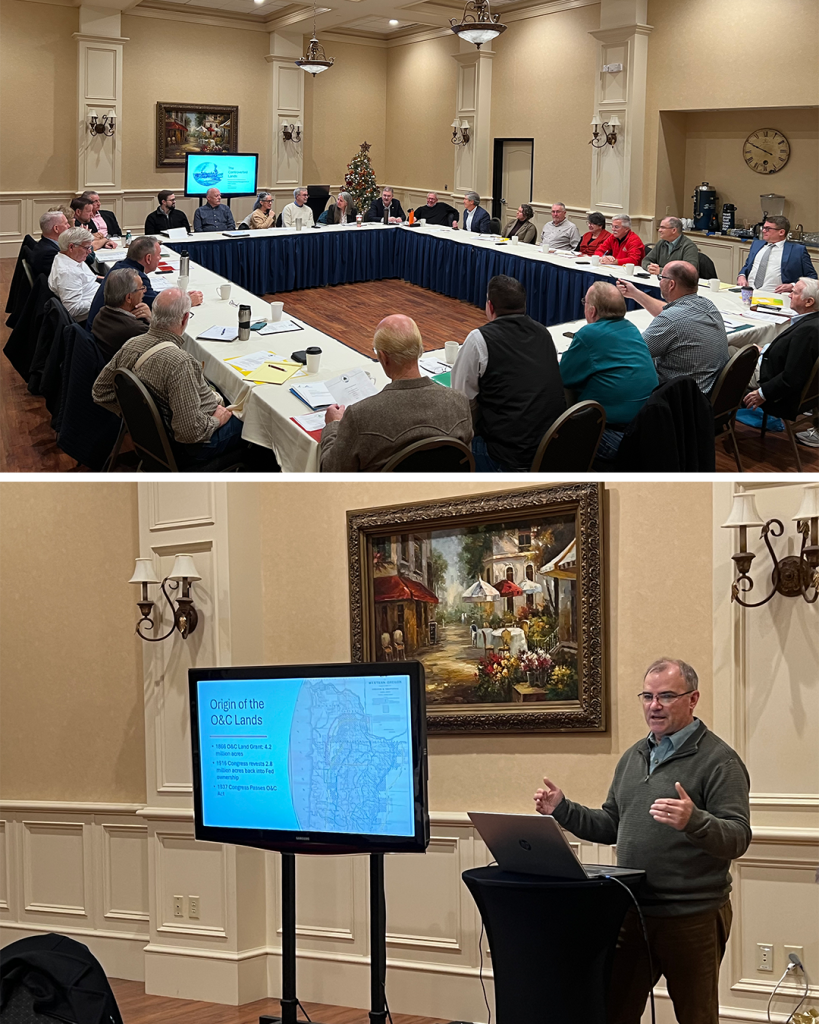
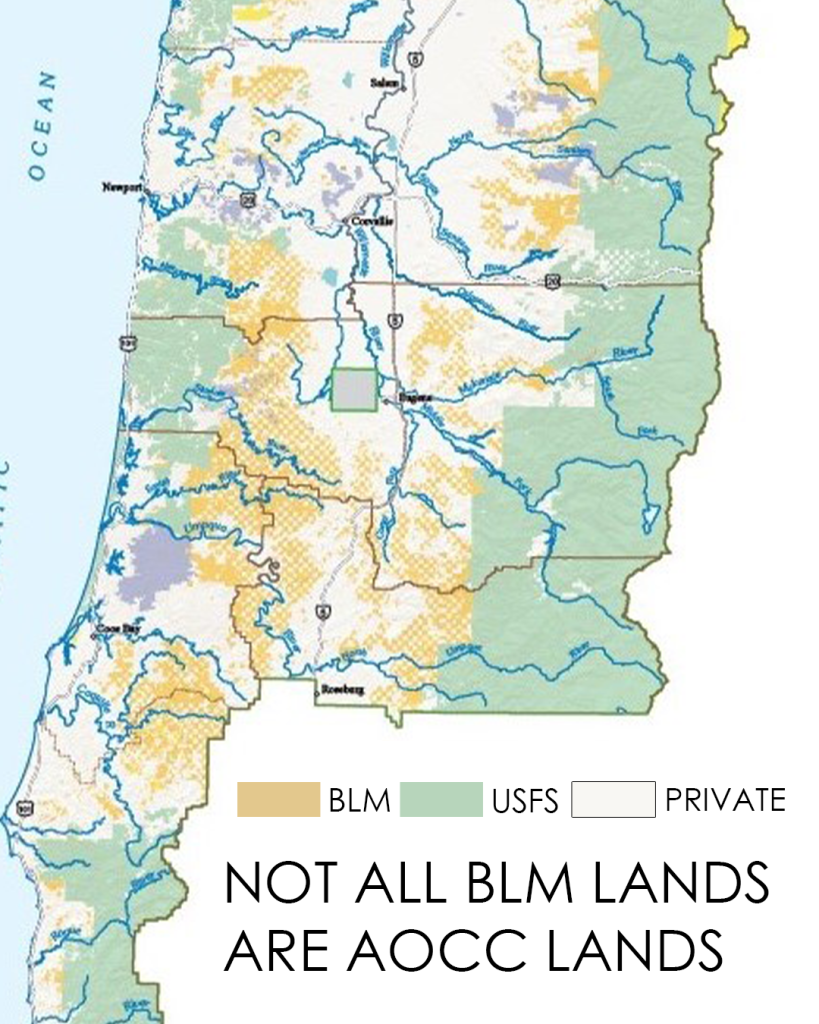
At the recent meeting of the Association of Oregon Counties (AOCC), counties from across Oregon discussed the future of federally managed forest lands, particularly those overseen by the Bureau of Land Management (BLM). These conversations are important to Lincoln County, both now and in the years ahead.

What Is Being Considered

I have brought forward an AOCC Lands Memorandum of Understanding (MOU) for discussion by the Board of Commissioners. This MOU is intended to strengthen coordination between Oregon counties and BLM and to ensure that counties are included in early discussions about federal land management. It provides a pathway for counties to communicate local impacts and perspectives as planning processes develop.

Participation in the MOU does not commit Lincoln County to specific funding or staffing obligations. Any future level of engagement would be determined by the Board. At its core, the MOU is about access, communication, and awareness.

Why This Matters to Lincoln County

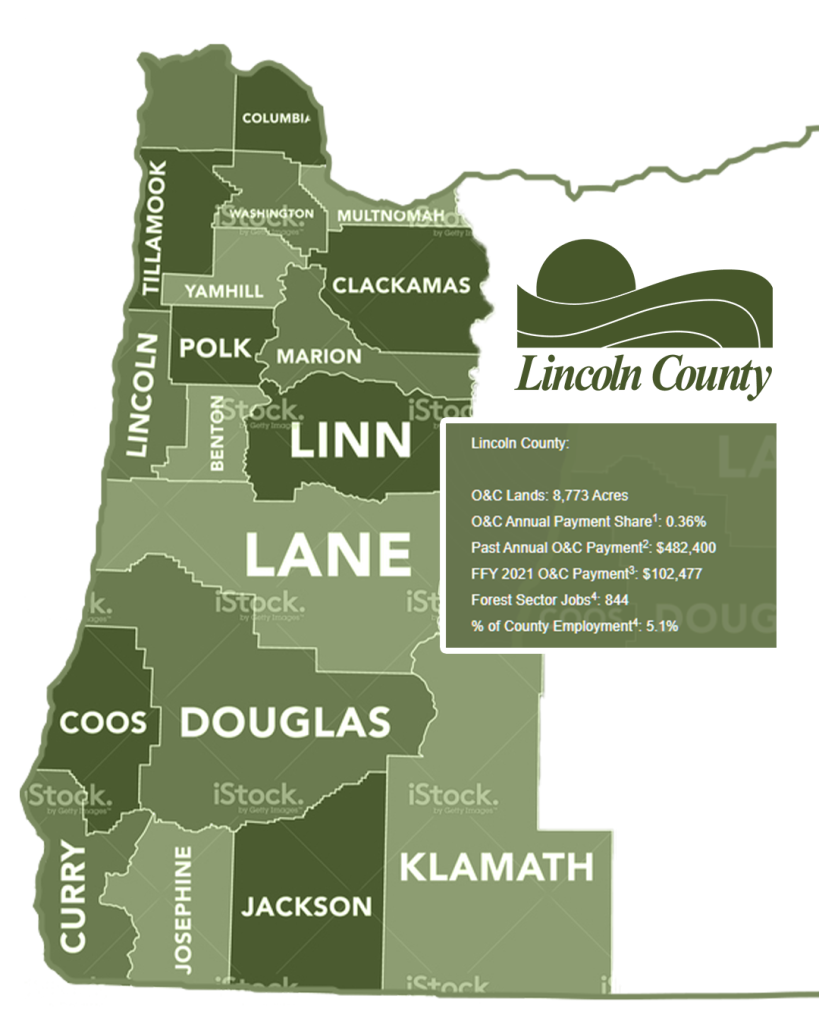
Federal forest lands influence a wide range of outcomes in our community. Over the past five years, Lincoln County has received approximately $460,000 in federal forest-related funding. By comparison, counties such as Lane County have received between $18 million and $30 million during the same period. While the scale differs, the same federal land management decisions still affect all counties.

Beyond revenue, how these lands are managed influences wildfire risk and community safety, ecosystem health and wildlife habitat, and the broader working forest economy. Forest-related activity supports jobs, local businesses, and regional supply chains.

Federal forest lands also support recreation that is central to Lincoln County’s identity and economy. Activities such as hiking, fishing, hunting, camping, and tourism depend on accessible and well-managed public lands, contributing to local businesses and overall quality of life.

Looking Ahead: Long-Term Planning

Federal land management is guided by long-range Resource Management Plans (RMPs), developed by the Bureau of Land Management. These plans typically span 15 to 20 years and establish direction for land use allocations, timber and harvest levels, conservation areas, recreation uses, and overall management priorities.

These planning processes shape long-term outcomes for counties, communities, and ecosystems, which is why early engagement is important.

Lincoln County’s role is not to control federal lands, but to ensure our community is represented in the conversation. The AOCC Lands MOU helps ensure that counties are included early in discussions, can communicate local fiscal and community impacts, and have an opportunity to inform decisions that affect county revenue and public services.

Engaging early allows us to bring forward local knowledge and priorities before decisions are finalized.

Community Input

This is an early step, and there will be additional opportunities for discussion and input as these processes move forward. Community perspectives are important in shaping how these lands are managed.

If you would like to share your thoughts or receive updates on this topic, I welcome the conversation.

Email: clmiller@co.lincoln.or.us
Memo: Available in an upcoming Board meeting packet or by request

As Lincoln County’s representative to AOCC, my role is to bring our county’s voice into statewide discussions and to bring that information back to the Board and the public. My goal is to ensure that Lincoln County is not simply reacting to decisions, but is part of the conversation shaping them.

WorkSource Oregon & NW Oregon Works

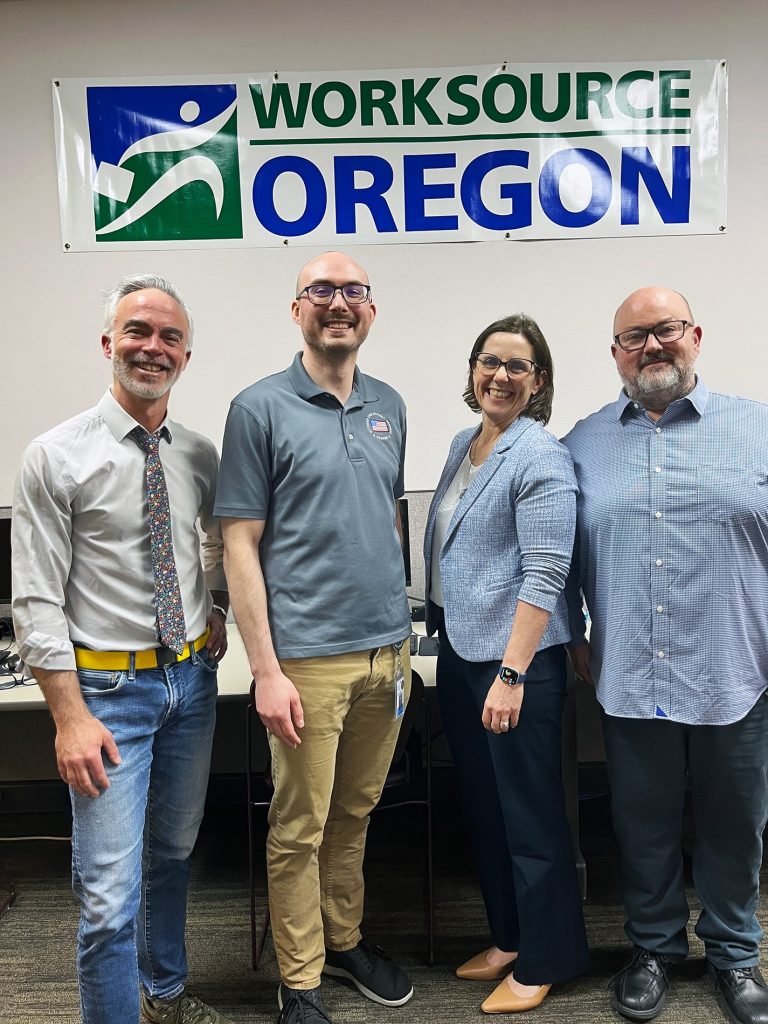
I recently met with local workforce leaders from WorkSource Oregon and Northwest Oregon Works — including Katrina Sturgeon, Niki Price, Corey Habiger, and Jason Bradford — to stay connected to the systems that support both our workforce and our local businesses.

These organizations play a critical role in our community:

– WorkSource Oregon helps individuals find jobs, build skills, and access training opportunities

– Northwest Oregon Works invests federal, state, and local resources to strengthen our regional economy and align workforce programs with real community needs

Together, they bridge the gap between employers and job seekers — helping people get back to work faster and helping businesses grow with a skilled workforce.

As a county commissioner, it’s important that I understand and advocate for both sides of this system — the individuals seeking opportunity and the businesses working to thrive.

Strong workforce partnerships mean stronger communities.

WorkSource Oregon – Helping people find jobs and businesses find talent. Jobe seekers – Find the right opportunity. Businesses – find the right candidate:
https://worksourceoregon.org

NW Oregon Works – Collaborates closely with local educational institutions, businesses, and government partners at the local, state, and federal levels.
https://nworegonworks.org

Katrina Sturgeon, Workforce & Community Development Manager at NW Oregon Works.

Great to spend time with Katrina Sturgeon, Workforce & Community Development Manager at NW Oregon Works. Workforce development boards like NWOW collaborate closely with local educational institutions, businesses, and government partners at the local, state, and federal levels. These partnerships help align our regional workforce strategies with real opportunities for residents and employers.

I appreciate Katrina taking the time to deepen my understanding so I can be an effective commissioner representative for Northwest Oregon Works. We discussed educational pathways, talent pipelines, and how our region can continue supporting key sectors like manufacturing, healthcare, maritime, transportation, and hospitality. NWOW invests in people: youth exploring first careers, adults retooling for new opportunities, and workers seeking long-term stability.

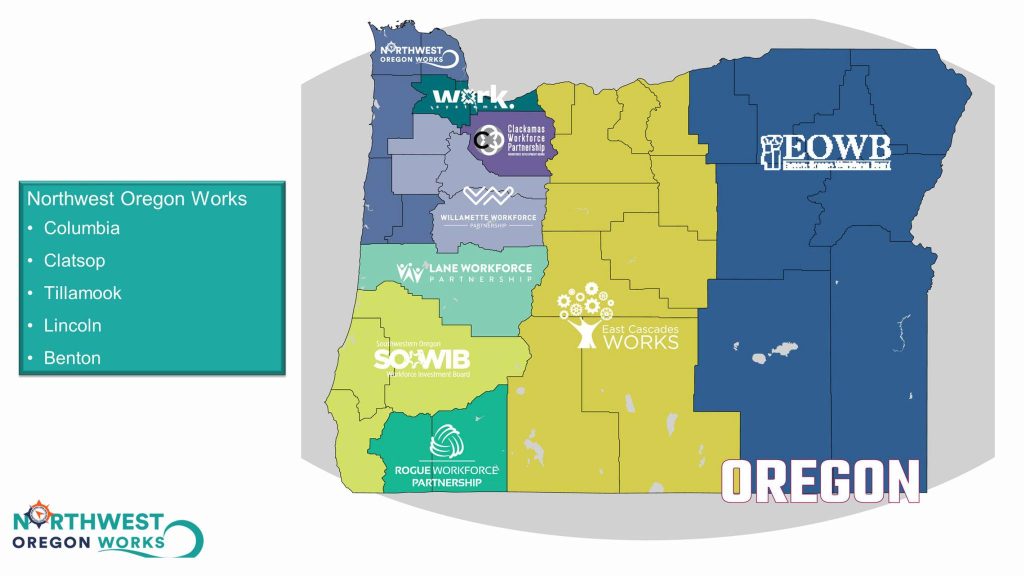
In addition to rapid response services, NW Oregon Works and WorkSource Oregon deliver comprehensive workforce development across Clatsop, Columbia, Tillamook, Lincoln, and Benton counties. Together, they connect job seekers (especially youth ages 16–24) and employers with training, career coaching, job placement, and supportive services through the Oregon Employment Department to build a skilled workforce and strengthen local economies.

Katrina’s recent work with the WorkSource Oregon Rapid Response Team ensured that workers affected by the sudden closure of Rogue Brewery were informed and connected with critical services. And while workforce partners mobilized quickly, it’s important to recognize that Rogue did not close because it lacked qualified workers. The shutdown was the result of financial collapse, debt obligations, declining markets, and other structural conditions far beyond the reach of any training or talent initiative.

Workforce Boards exist to ensure that workers remain resilient during economic shifts. Rogue’s story is a powerful reminder that while no workforce system can guarantee market stability or prevent business closures, we can strengthen community resilience. We prepare people for new opportunities, help employers access talent, and support workers when industries evolve or businesses fail.

Northwest Oregon Workforce Plan: Building Opportunity and Economic Resilience (2024–2028)

Review the Plan – Workforce Innovation and Opportunity Act Local Plan – Northwest Workforce Area

As a county commissioner and representative on Northwest Oregon Works, this local board plan is important because it provides the strategic framework for how workforce investments are aligned with real economic conditions, industry needs, and community priorities across our region. It shows how decisions about funding, training programs, and partnerships are guided by data, labor market trends, and measurable outcomes—ensuring accountability for how public resources are used.

At the same time, it reinforces my role in helping connect education, employers, and workforce systems so that residents have access to meaningful career pathways and employers can find the talent they need.

For the community, this plan communicates that there is a coordinated, regional effort focused on building economic opportunity, supporting key industries, and expanding access to jobs—especially for individuals facing barriers to employment. It emphasizes that workforce development is not a single program, but a collaborative system designed to strengthen both people and the broader economy, while advancing equitable access and long-term economic self-sufficiency across Northwest Oregon. (Review the Plan)

I am proud to continue this work with NW Oregon Works and all our regional partners. A few examples of your dollars at work!

For example: MARITIME SECTOR – Total Maritime Funding: $248,822.00

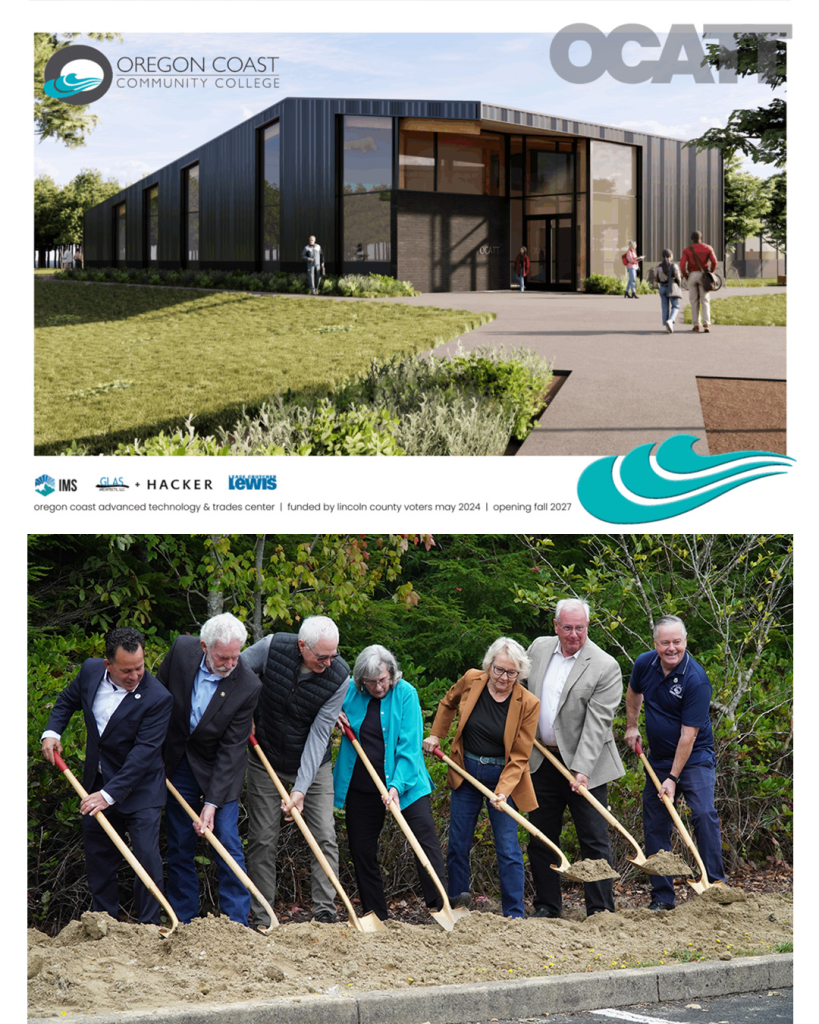
Oregon Coast Community College (OCCC) –$103,747.00

Funded new instructors in Aquarium Science and Welding. Expanded programming to include Aquaculture Technician training focused on land-based systems. Welding instruction increased capacity by 68students, each earning a Shipbuilding & Repair Level II certificate.

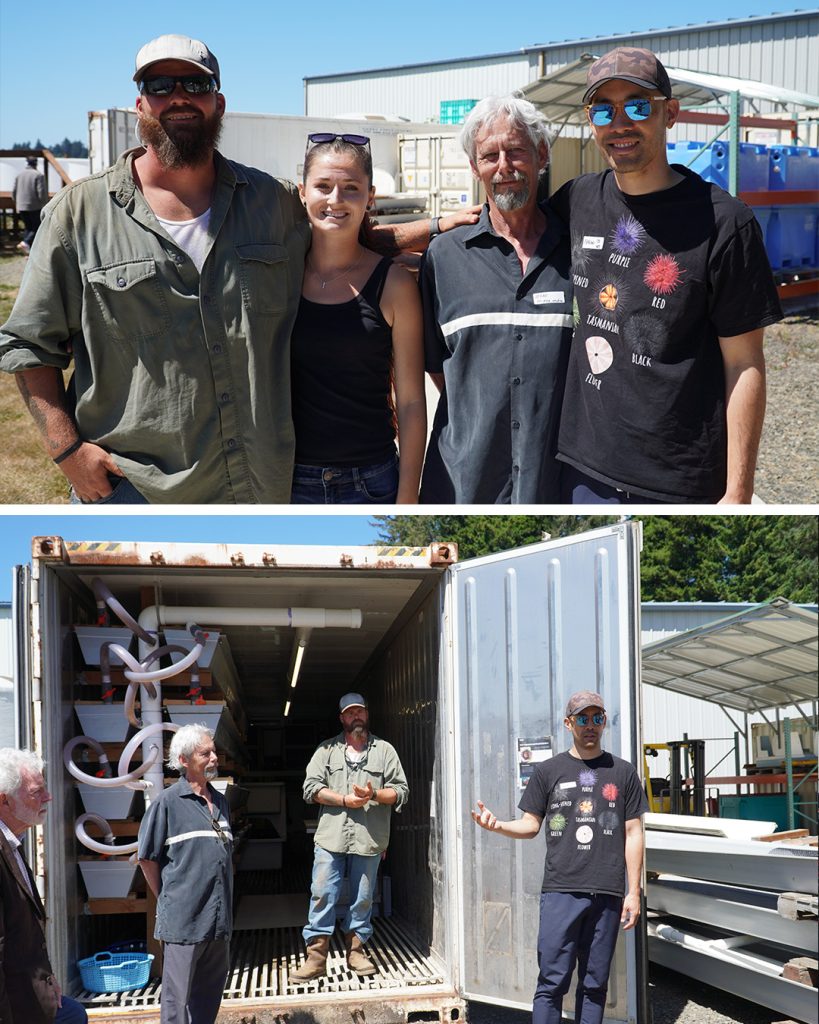
Oo-Nee Sea Urchin –$60,150.00

Trained 4 divers, 6 part-time processors, and 2 aquaculture interns to support kelp restoration and urchin processing. Funding advanced efforts to build sustainable coastal supply chains and long-term employment.

Newport Fishermen’s Wives –$44,925.00

Purchased safety gear and permits to support ~300 fishermen during the Winter crab season, retaining skilled workers and supporting new entrants into the fishing industry.

Local Ocean Seafoods –$40,000.00

Developed a zero-waste fish processing model. Hired a business development manager and staff to expand operations, aiming to create 8 full-time jobs.

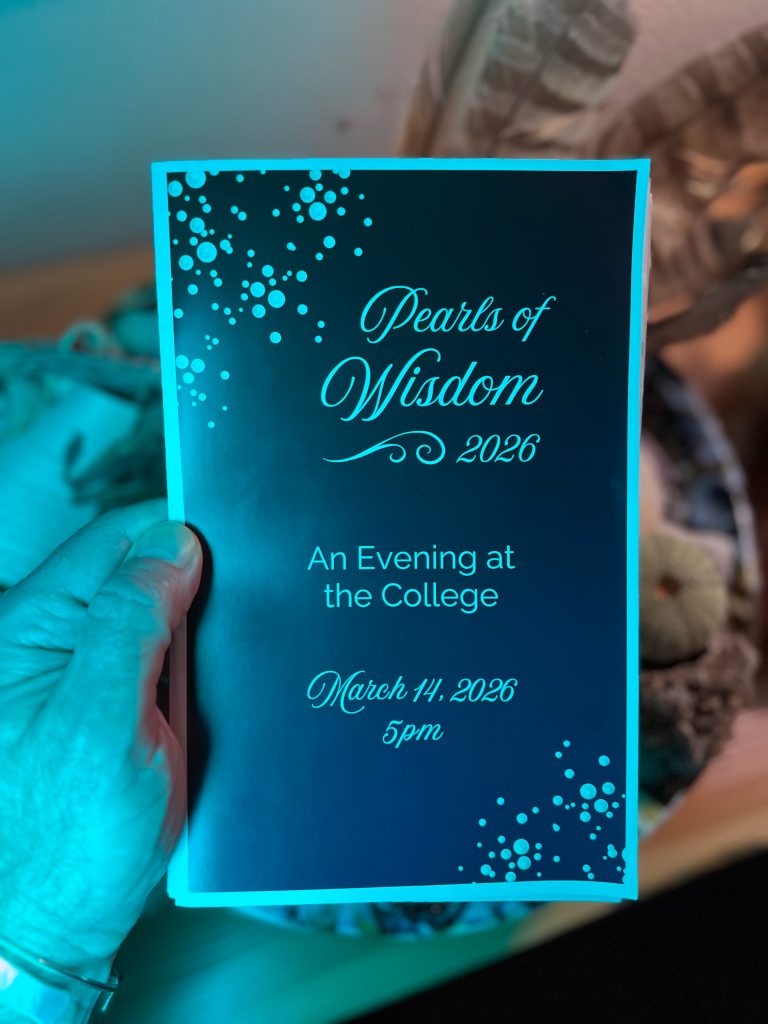
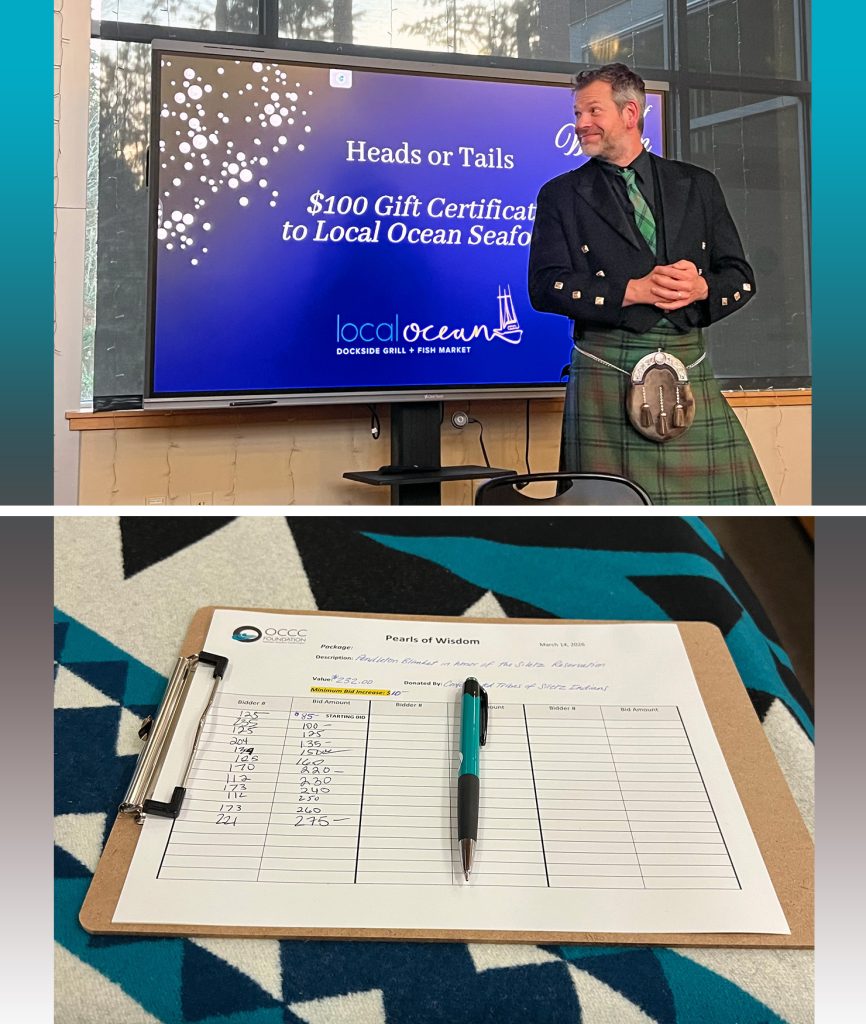
Pearls of Wisdom

There were many wonderful moments last night at the Pearls of Wisdom fundraising event for Oregon Coast Community College.

Every dollar raised helps OCCC expand scholarships, strengthen workforce training, and create opportunities for students to build careers right here at home in Lincoln County.

I had the chance to reconnect with many people who have advocated for our community college for years. It was amazing to reflect on how far OCCC has come since its early days along Highway 101 in Newport more than 20 years ago — when I was a student myself. I found myself thinking about those humble beginnings and sharing those memories with others who helped build this college into what it is today.

My own community college journey began at Yuba College in the early 1990s. Later, in the early 2000s, I enrolled at OCCC as a proud Shark.

Oregon Coast Community College played an important role in my own path. When I became self-employed, the coursework available at OCCC helped me develop the practical skills I needed to run a small business here in Lincoln County while continuing to grow professionally.

Without that opportunity, I’m not sure my path would have unfolded the same way.

Community colleges provide accessible education, practical training, and the confidence people need to move forward with their goals. My story is just one example of what happens when those opportunities are available.

That’s why I believe we must continue to protect, support, and strengthen community colleges — especially our own Oregon Coast Community College.

Thank you to the donors, board members, community partners, and volunteers who support OCCC and help create opportunities for others.

Your investment ensures that students across Lincoln County can access education, gain skills, and build successful lives right here in our community. Thank you for believing in the power of education.

The OCCC Foundation provides vital scholarships for economically challenged students and supports the growth of new academic programs to meet the evolving needs of our community. We could not do it without the support of generous donors like you.

Reach out to Jeanette Campagna, Director of Advancement, at 541-867-8531

https://oregoncoast.edu/occc-foundation-donations/

Coast Vineyard Village Ribbon Cutting

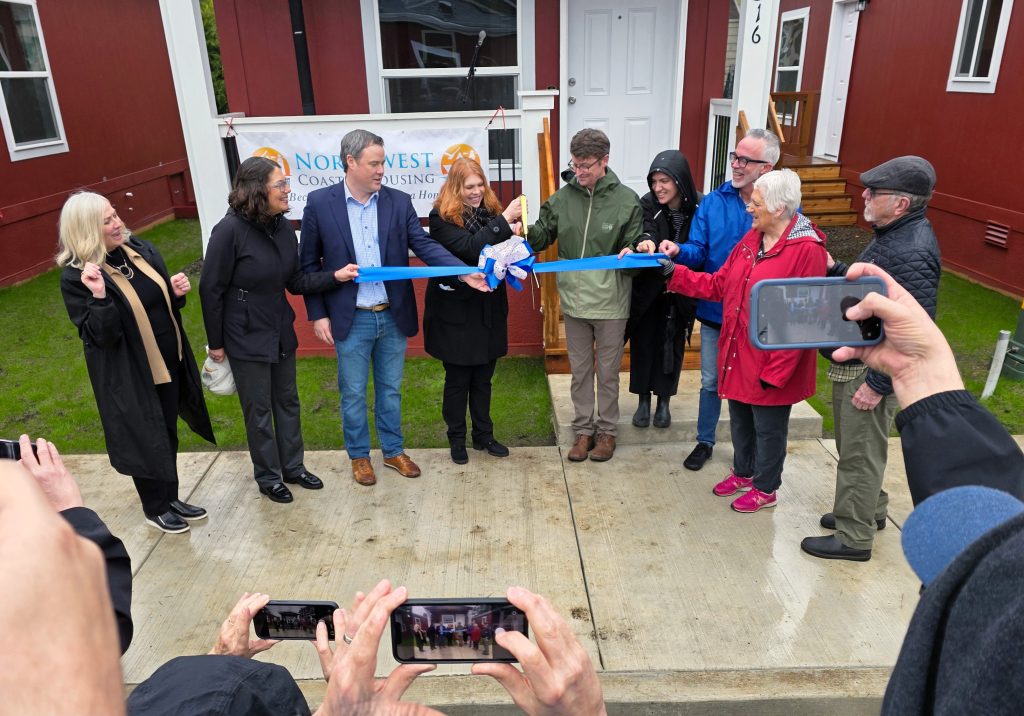
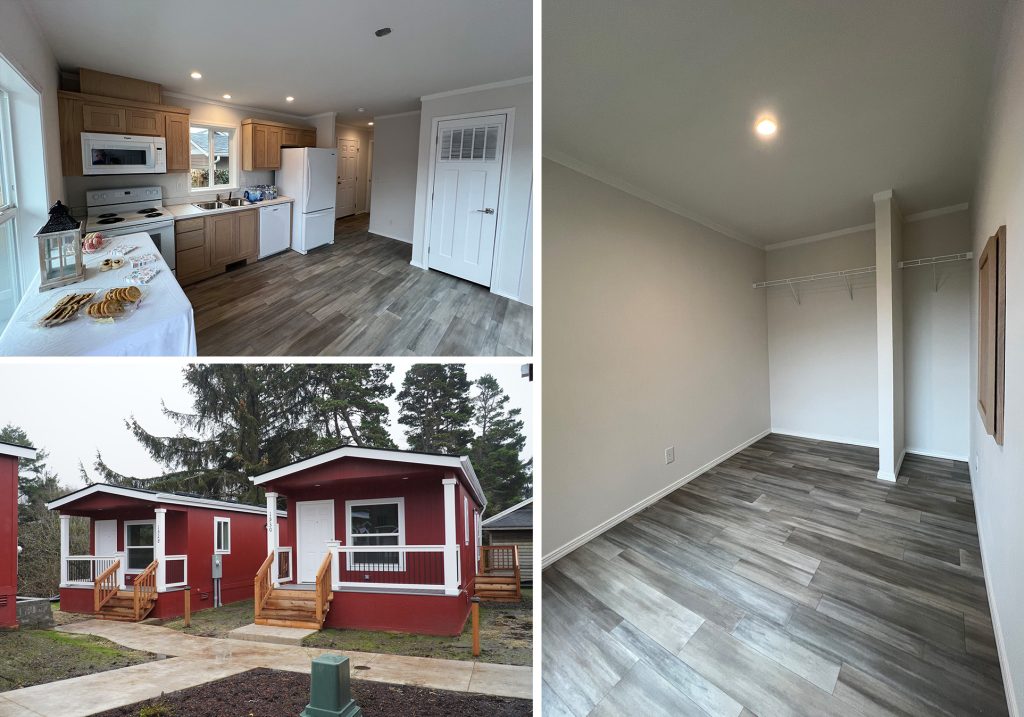
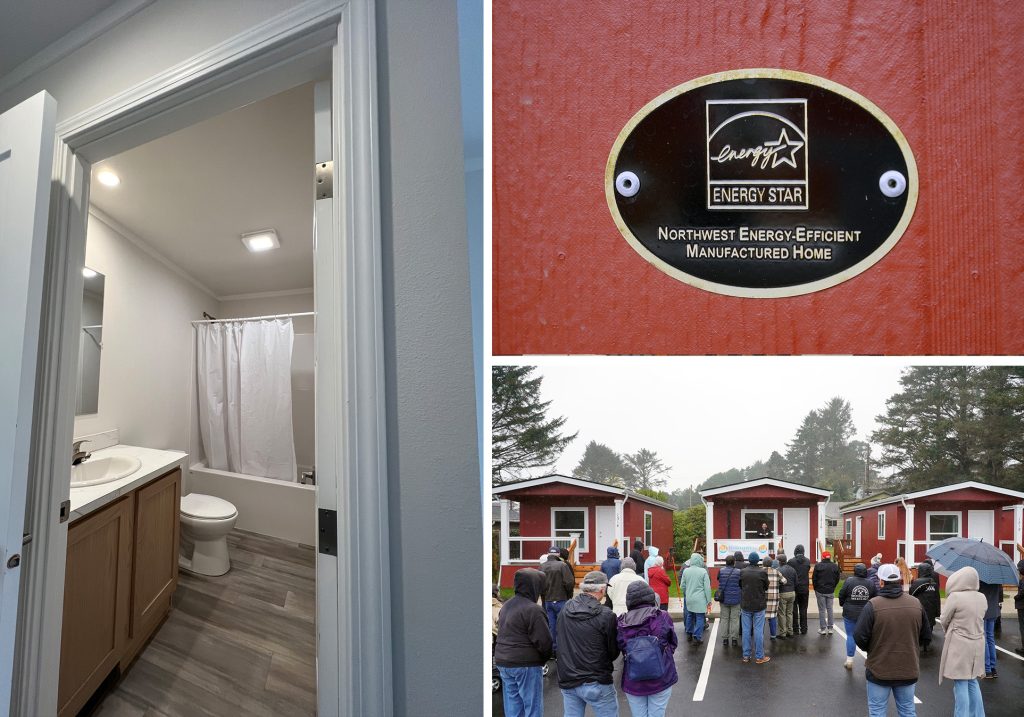
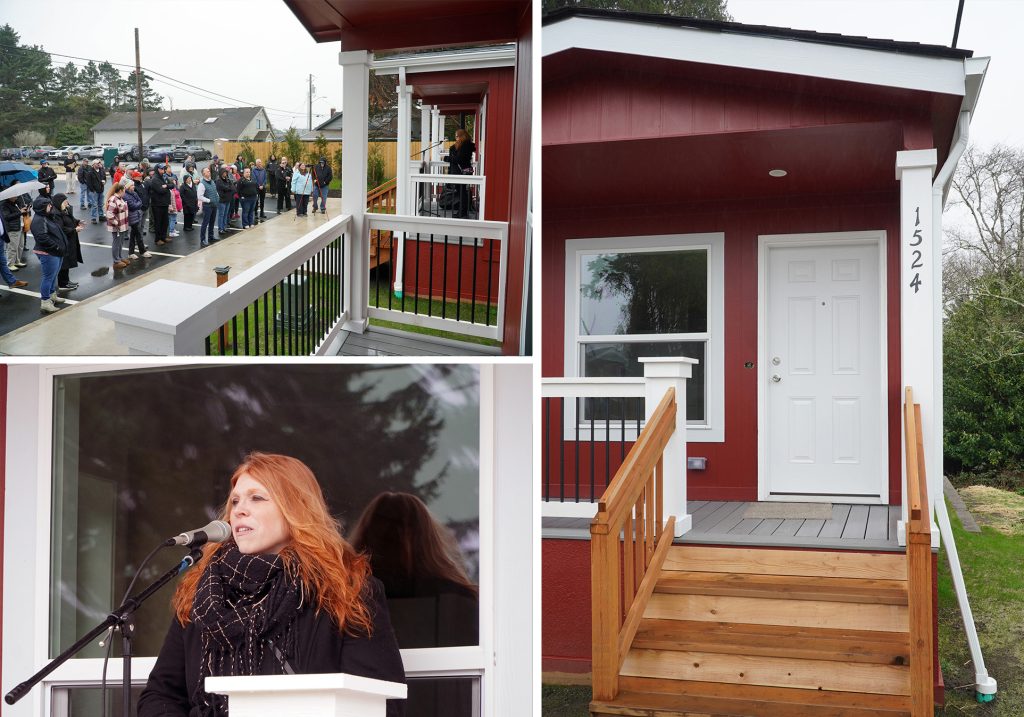
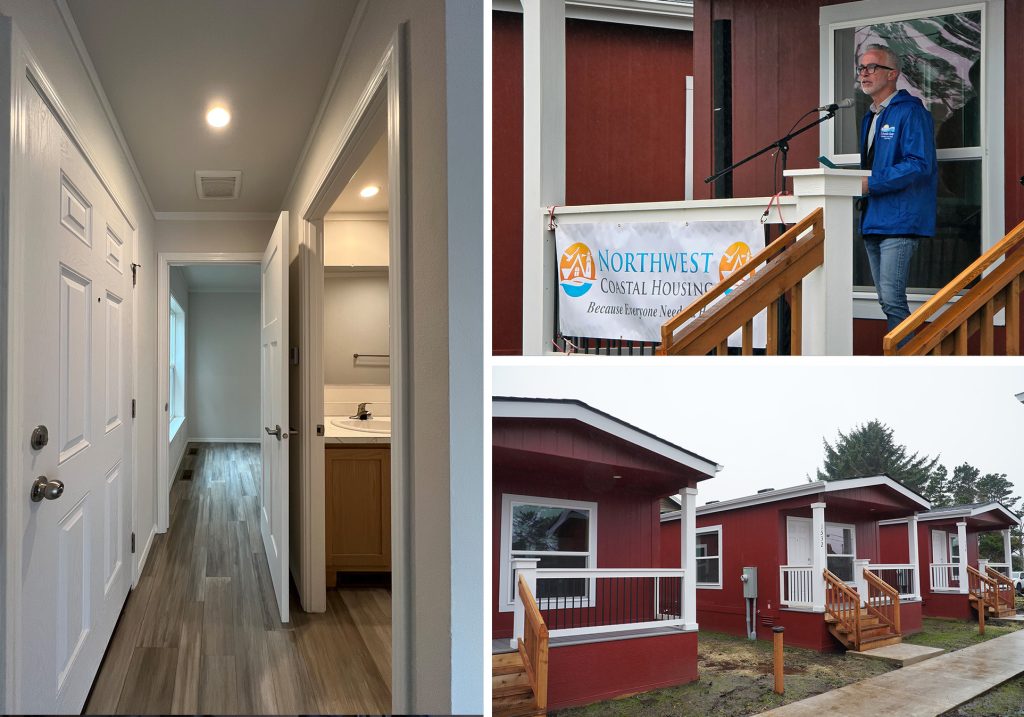
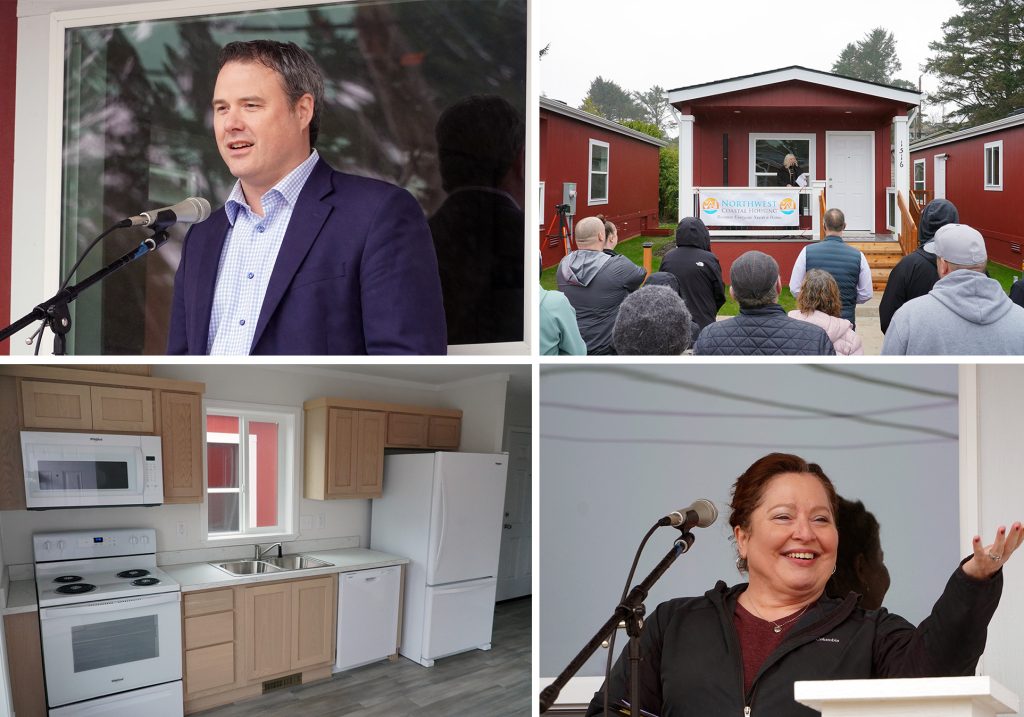
Last week I had the opportunity to attend the ribbon cutting for the Coast Vineyard Village tiny home project in Lincoln City. It was a gratifying moment for many reasons — not only because of the homes themselves, but because of what they represent for our community.

Recovery can and does happen. But, it’s a painfully long process and restoration may never make us whole in the way we hoped. Yet, these tiny homes are finally here and they are indicative that we can and will continue to support each other in Lincoln County.

Projects like this do not happen overnight. They are the result of years of work by nonprofit organizations, community partners, local governments, and state and federal programs all working together toward a common goal: helping people regain stability through safe and accessible housing.

The Coast Vineyard Village development, led by Northwest Coastal Housing and built in partnership with Coast Vineyard Church and other community partners, provides small, efficient homes designed to support neighbors who were displaced by the 2020 Echo Mountain wildfire and individuals experiencing housing instability.

Standing at that ribbon cutting, I was reminded that this single project is part of a much larger story unfolding in Lincoln County.

A Framework Emerging from Crisis

When the Echo Mountain wildfire struck in 2020, hundreds of families in North Lincoln County lost their homes. Like many rural communities, we faced the challenge of how to support recovery while also addressing the broader housing shortage that existed long before the fire.

Over the past several years, Lincoln County has been quietly building what is becoming one of the more thoughtful rural housing recovery frameworks in Oregon.

This framework has taken shape through a series of key steps.

The County adopted policies to support wildfire rebuilding and help families recover their homes. We worked with state housing agencies to bring disaster recovery resources into the community. We helped coordinate housing navigation services so displaced households could connect with available programs and support.

At the same time, nonprofit housing developers, faith-based organizations, and community partners began bringing forward projects that addressed different parts of the housing spectrum.

Some projects focused on transitional housing, such as motel conversions that created dozens of units for people moving out of homelessness. Others focused on affordable rental housing for working families, seniors, and people living on fixed incomes. Habitat for Humanity and other partners have helped expand opportunities for homeownership and disaster recovery housing.

The tiny homes at Coast Vineyard Village represent another important piece of that larger system — providing a smaller-scale, community-oriented housing option that can help people regain stability and move forward.

The County’s Role: Connector, Partner, and Steward

One important thing for residents to understand is that most housing construction funding does not come directly from the county itself.

One recent example is the County’s Community and Economic Development Grant Program.

Lincoln County receives funds from the Oregon Lottery based on the play of video lottery in the county. The Board of Commissioners has elected to use this resource to help with local community and economic development projects through our own unique grant construct.

The 2025–26 Community and Economic Development Grant Program, two housing projects received direct funding: Northwest Coastal Housing – Olalla Meadows: $50,000. Habitat for Humanity of Lincoln County – Forest Lake Park: $50,000.

Lincoln County also uses it’s lottery funds to support the Economic Development Alliance of Lincoln County and the Small Business Development Center; and provide low interest loans to small businesses through Cascades West Council of Governments.

Large housing developments are typically financed through state housing programs, federal disaster recovery funds, nonprofit developers, and private financing tools such as housing tax credits.

The role of county government is often different — but no less important.

Lincoln County serves as a connector between partners, a coordinator for state and federal housing resources, and a steward of policies that help make housing projects possible. We administer grants, support partnerships, and work with cities, nonprofits, and service providers to bring projects to life.

Sometimes the County contributes modest local funding that helps leverage larger investments. Often our role is helping align partners and ensuring projects move forward in a responsible and sustainable way.

In many ways, the County helps provide the framework that allows these efforts to take shape.

Supporting Stability While Living Within Our Means

As a County Commissioner, I believe strongly that housing stability is one of the foundations of a healthy community. When people have a safe place to live, they have the opportunity to work, care for their families, and participate in community life.

At the same time, county government must always operate responsibly within its financial means. Our goal is not to overcommit local resources, but to support partnerships and policies that bring the right mix of funding and expertise into our community.

When we do that well, we can help create real solutions without placing unnecessary strain on county budgets.

Looking Forward

The ribbon cutting at Coast Vineyard Village is a meaningful milestone, but it is also just one step in a longer journey.

The progress we are seeing now is the result of many partners working together — nonprofit housing organizations, faith communities, cities, state agencies, and local residents who care deeply about the future of Lincoln County.

I am grateful to everyone involved in making this project possible and proud of the role Lincoln County continues to play in supporting solutions that help our community recover, grow, and remain a place where people can build stable and productive lives.

New Animal Shelter Opens

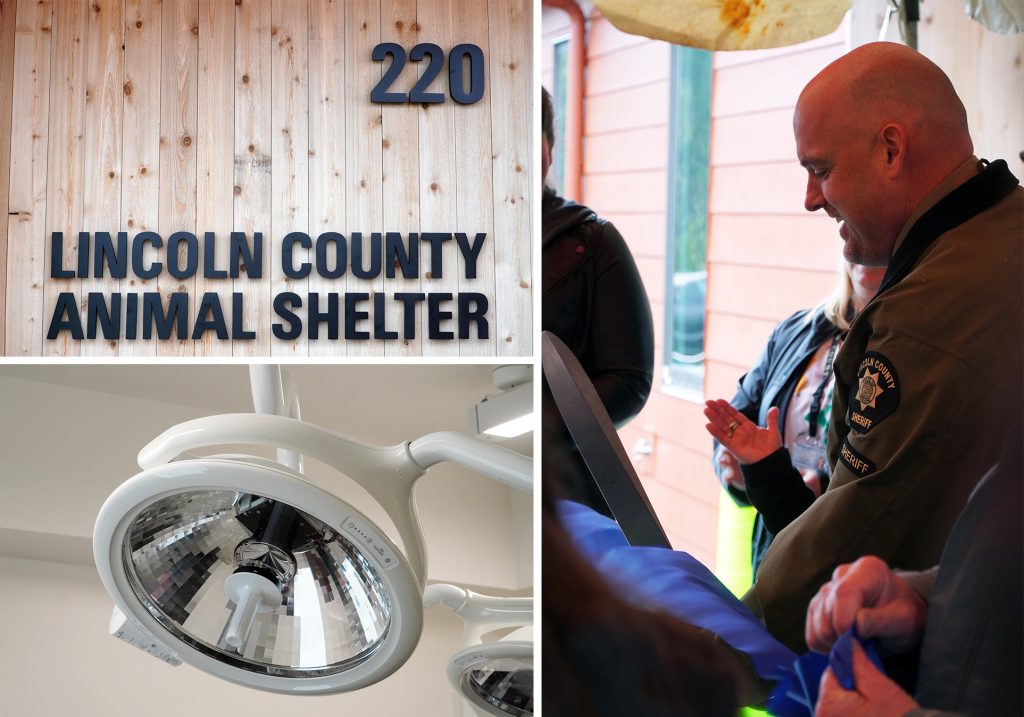
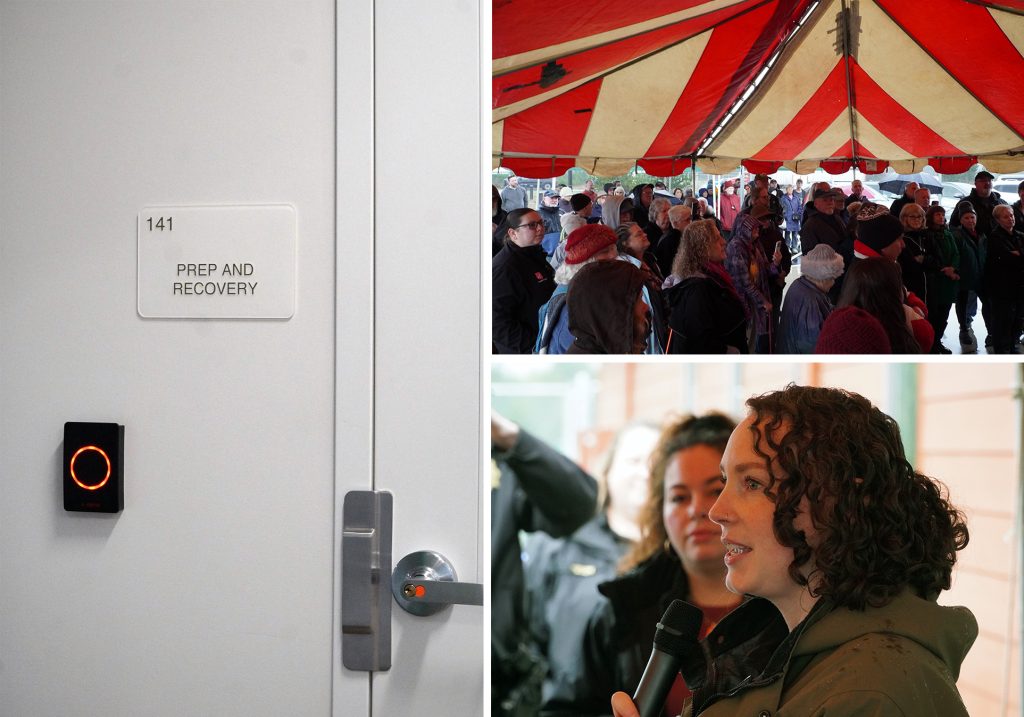
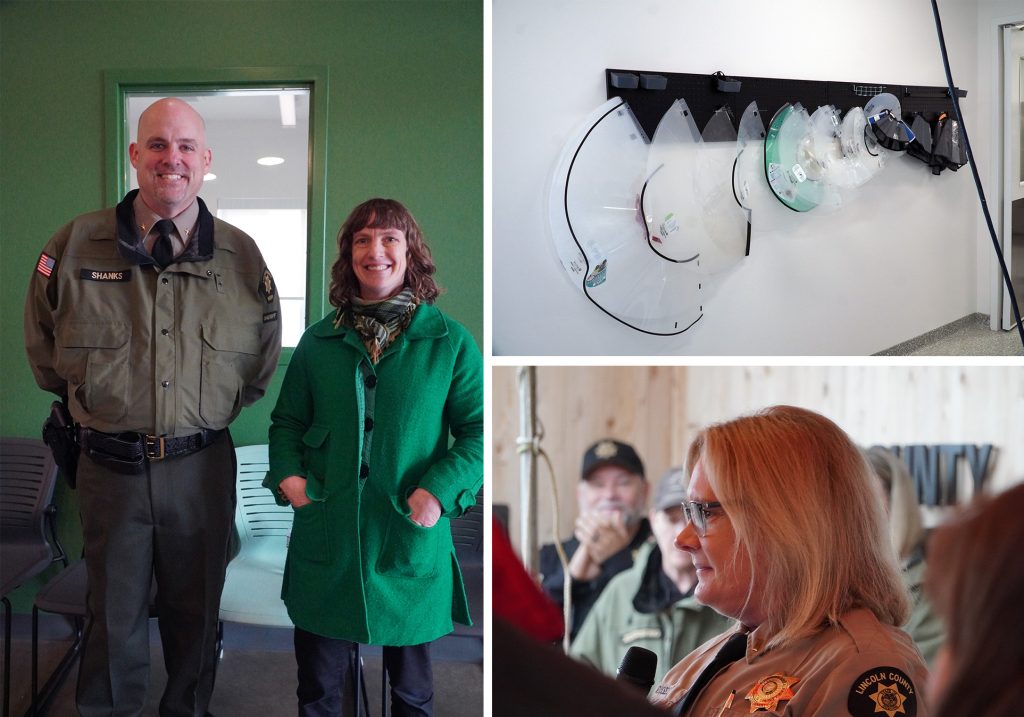
Lincoln County Animal Shelter: A Community Commitment Delivered

It is an absolute pleasure to see the new Lincoln County Animal Shelter come together. Lincoln County works to protect animals, support pet owners, and partner with community organizations to ensure animals are treated humanely and have the opportunity to find safe homes.

At the end of the day, this project represents something simple but important: delivering on the commitment you entrusted us with — caring for animals in Lincoln County.

Projects like this never happen because of one person. They happen because many people show up over time, bringing their experience, patience, and dedication to the table.

For me personally, the weekly meetings during the design phase — for more than a year — were both a learning experience and an opportunity to participate in project management from the ground up, helping shape a facility that truly serves its purpose.

I would be remiss if I didn’t acknowledge former Commissioner Kaety Jacobson, former Sheriff Curtis Landers, and Assistant County Counsel Brian Gardner, all of whom were instrumental in helping bring this effort together.

The County also utilized a Construction Manager/General Contractor (CM/GC) delivery model for the project. After the County issued a Request for Proposals, DSL Builders joined the effort during the contractor selection and pre-construction planning phase, helping guide the project toward construction and completion.

So many individuals invested significant time and effort long before the ribbon cutting. Their work formed the foundation that made the new shelter possible. To finally walk through a facility that once existed only as diagrams on paper is truly a great joy.

Public projects are long journeys. Many hands carry the torch along the way. When a community commits to something important — and people stay the course — good things happen.

Thank you to everyone who helped make this possible for the animals and residents of Lincoln County.

The Mission of the Lincoln County Animal Shelter

The Lincoln County Animal Shelter’s core mission is to provide a safe haven for abandoned, stray, abused, and neglected animals in our county.

The shelter works to rescue, reunite, rehabilitate, and rehome animals, while also promoting responsible pet ownership through licensing and public education.

This means the County is responsible for ensuring animals that have nowhere else to go receive:

  • Safe housing
  • Food and daily care
  • Veterinary assessment
  • Rehabilitation and adoption opportunities

A Day in the Life of an Animal Care Specialist

Animal shelter standards estimate an average of 15 minutes per animal per day for feeding and cleaning alone. But the work goes far beyond basic care.

A typical day may include:

  • Phone calls and emails from residents
  • Walk-in assistance
  • Adoption counseling
  • Pet licensing support
  • Animal intake examinations
  • Behavior assessments
  • Veterinary appointments
  • Food bank coordination
  • Kennel cleaning and sanitation
  • Humane euthanasia when necessary
  • Laundry and facility maintenance
  • Data entry and record keeping
  • Community outreach and education
  • Managing donations and volunteers

Behind every adoption or reunion is a dedicated team working every day to care for the animals entrusted to us.

How the Animal Shelter is Funded

Prior to 2010, Lincoln County Animal Shelter services were funded through a combination of sources:

  • County General Fund dollars (the largest single source)
  • Contracts with the Cities of Lincoln City and Newport for animal control services
  • Fees and fines from enforcement of dog ordinances
  • Animal licensing fees

During the 2009–2010 fiscal year, Lincoln County experienced a significant reduction in General Fund resources. At that time, the County faced the possibility of reducing animal services to a limited impoundment function.

The community responded.

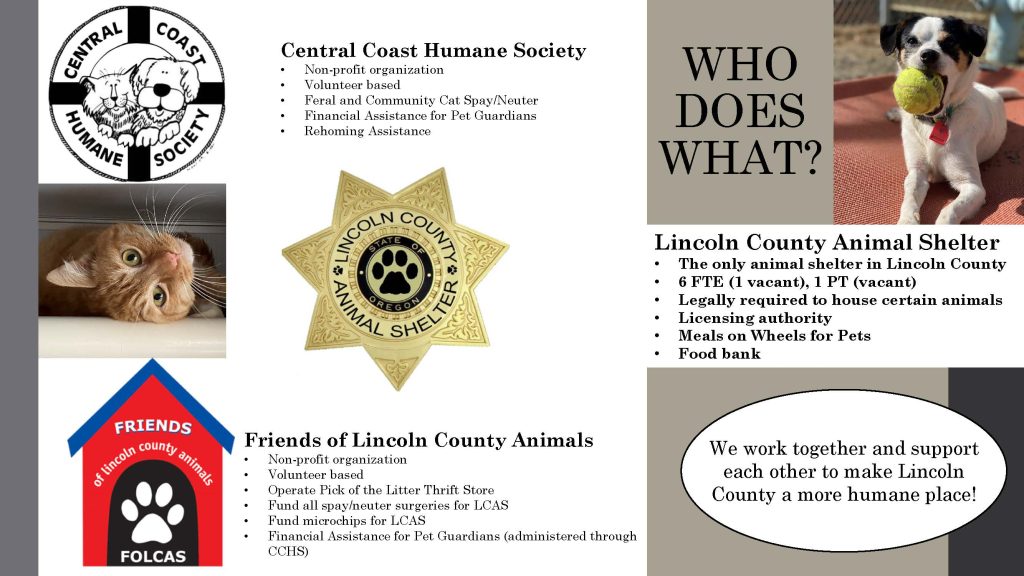
The organization Friends of Lincoln County Animals (FOLCAS) worked with the Board of Commissioners to develop a long-term funding solution to keep animal shelter services operating.

Key milestones included:

  • FOLCAS helping sustain operations for FY 2009–2010
  • Measure 21-134 (a five-year levy) passed with 71% voter support
    • $0.11 per $1,000 of assessed property value
    • A home assessed at $200,000 contributes about $22 per year
  • In 2011, voters approved making the levy permanent

Today, this dedicated funding source helps ensure Lincoln County can continue providing animal care and shelter services to the community.