Skip to content

Organizational Culture

Conflict Resolution = Openness & Accountability

I spent many years serving Lincoln County as a Public Information Officer before becoming a commissioner. One of the greatest joys of that work was helping people — providing information, solving problems, and helping our community navigate government more effectively.

When we show up from an authentic space – we strengthen trust itself. People sense when someone is really listening and really trying to help.

One of the reasons I decided to run for county commissioner in 2022 was that I believed we could expand trust inside the organization and outward to the community.  When I first took office, I spent much of my time listening and observing. What is secret sauce of relationships and ultimately our democratic ideals?
I began to recognize deeper organizational challenges. While many talented people work within county government, we had yet to develop a unified internal vision connecting departments, leadership, and public service goals.

Before my exile our internal teams were beginning to explore how we could improve our level of service to each other. There was hope and I felt optimistic despite the ongoing revelations of just how challenging change culture can be.

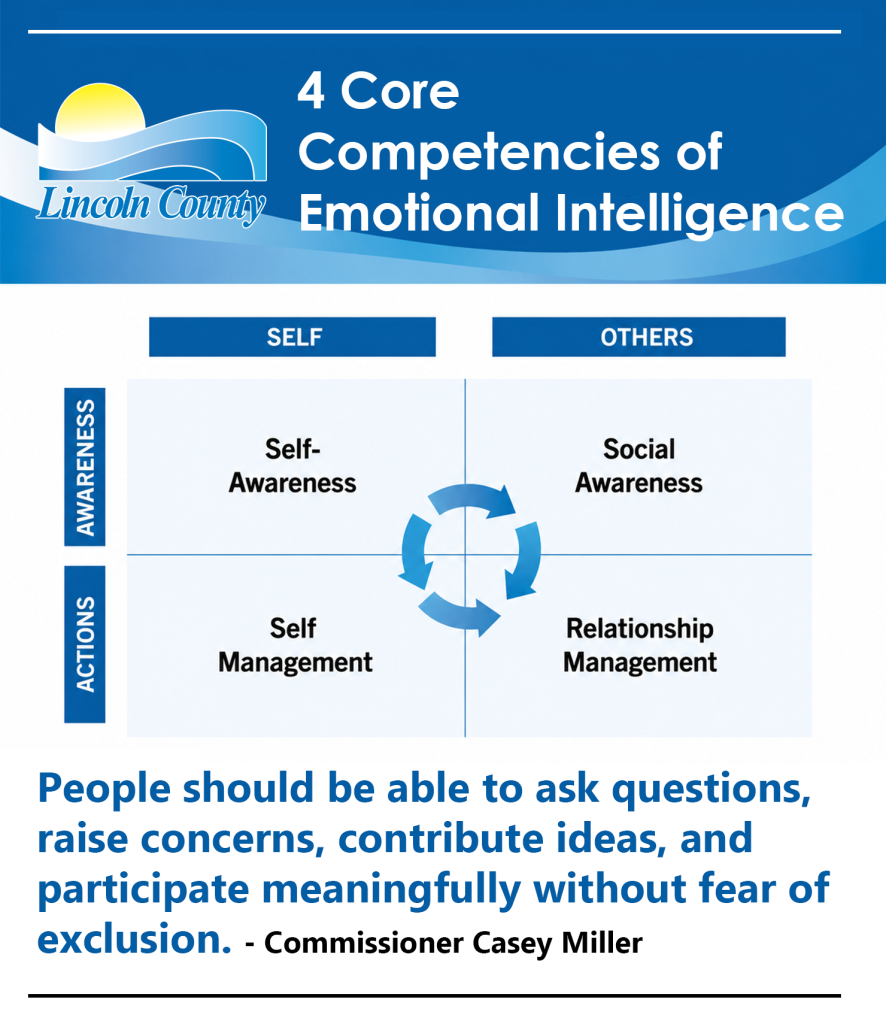
Healthy organizations — especially public institutions — need psychological safety. People should be able to ask questions, raise concerns, contribute ideas, and participate meaningfully without fear of exclusion or retaliation. That principle applies everywhere: families, workplaces, community organizations, and government alike.
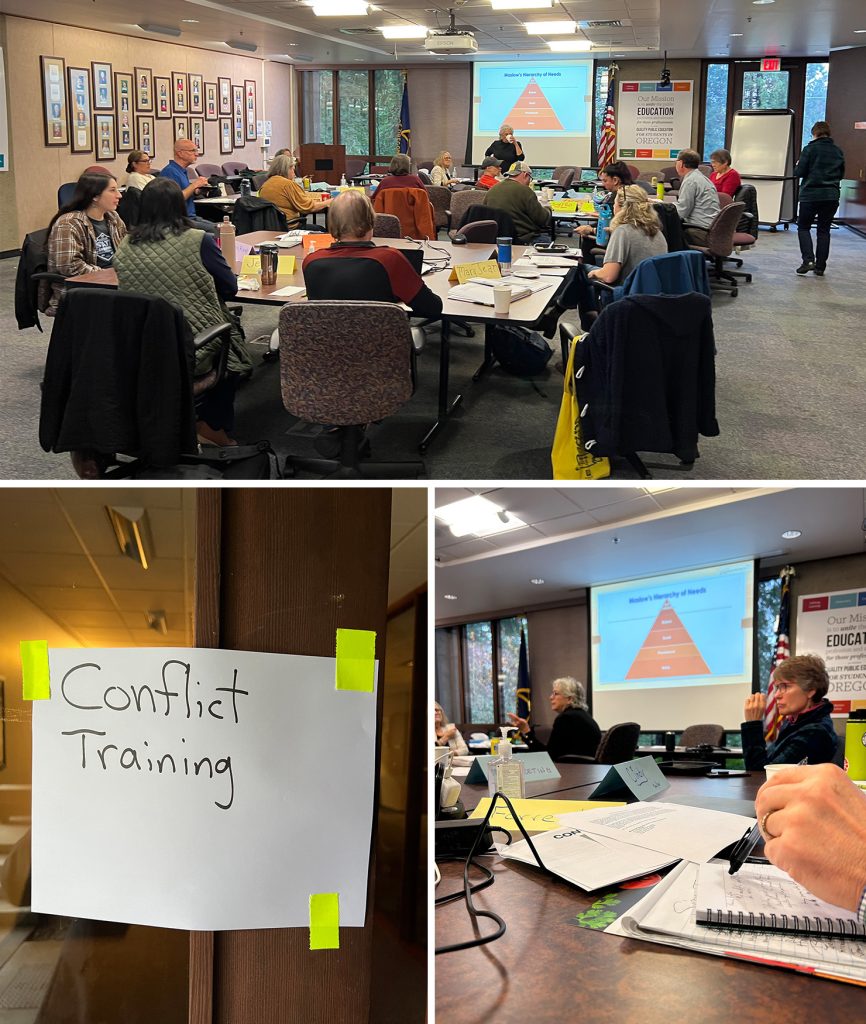
[LEARN – Use mediation skills to help resolve conflicts in workplace, court, business, or community-related disputes.].

People often ask me how I continue after 17 months of conflict, exclusion, and uncertainty.

The truth is: it has been difficult.

But this experience has also reinforced something important to me — democracy is tested less when times are good. We are all deeply tested when disagreement becomes uncomfortable. When we lose our resilience to remain open and collaborative things can spiral quickly.  

I did not run for office because I believed governing would always feel good or because public service would always be affirming. I ran because I believe collaboration works best when:

  • questions can be asked openly,
  • processes are transparent,
  • people are treated respectfully,
  • staff, elected officials and the public can continue to engage

What keeps me going are the people who say, “Please keep asking questions.” At the same time, I really appreciate those who recognize that we are all neighbors, coworkers, and possibly friends. May we let curiosity be stronger than fear, strive to stay calm under pressure and use transparency to build empathy and trust.  

[LEARN – Why Emotional Intelligence Is Important in Leadership]
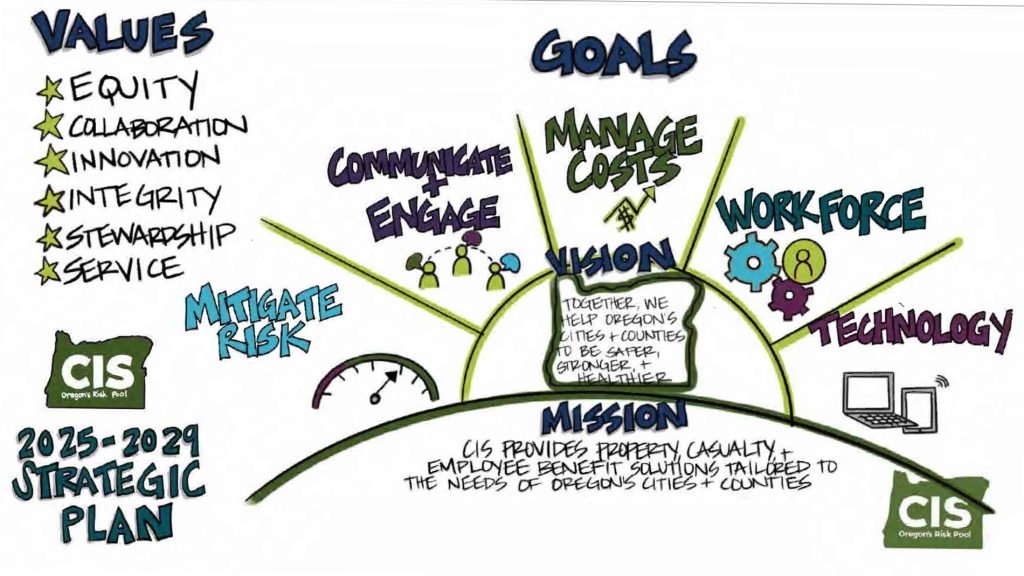
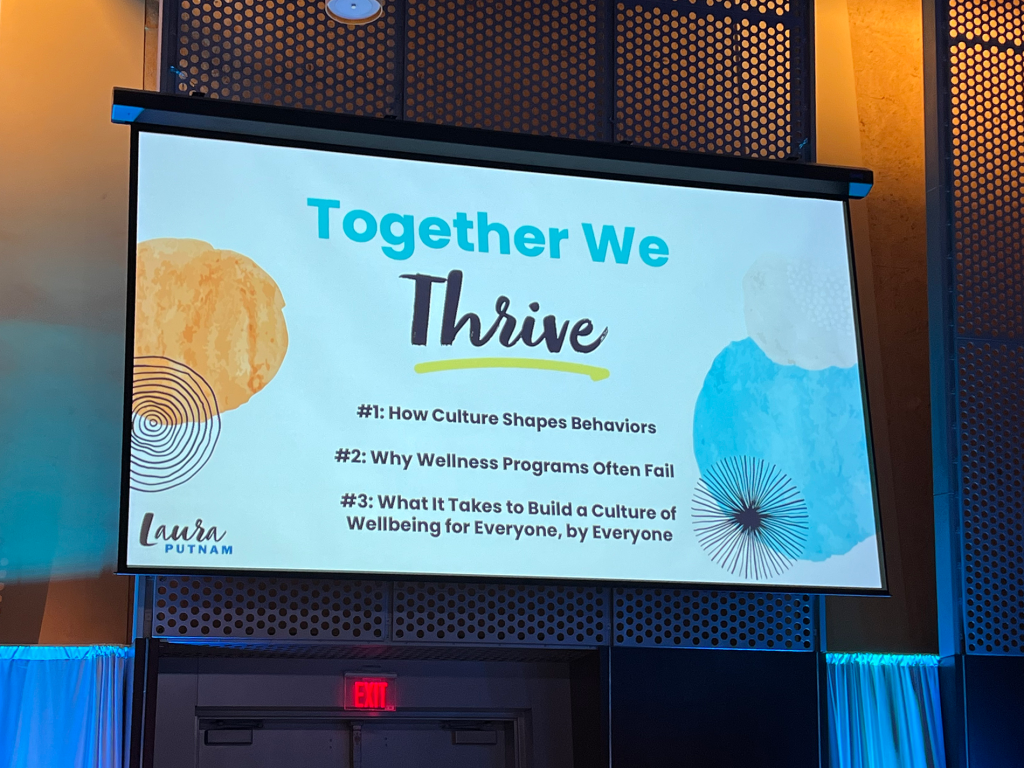
CIS Conference 2026

County elected officials are responsible for an entire workforce — hundreds of public employees and volunteers delivering essential services to our communities every day.

Governance responsibility reaches deep into our organization. The commission must ensure the organization itself is healthy, lawful, and equipped to serve the public well through the work of our employees. That means understanding best practices in management, risk, emergency preparedness, and organizational leadership.

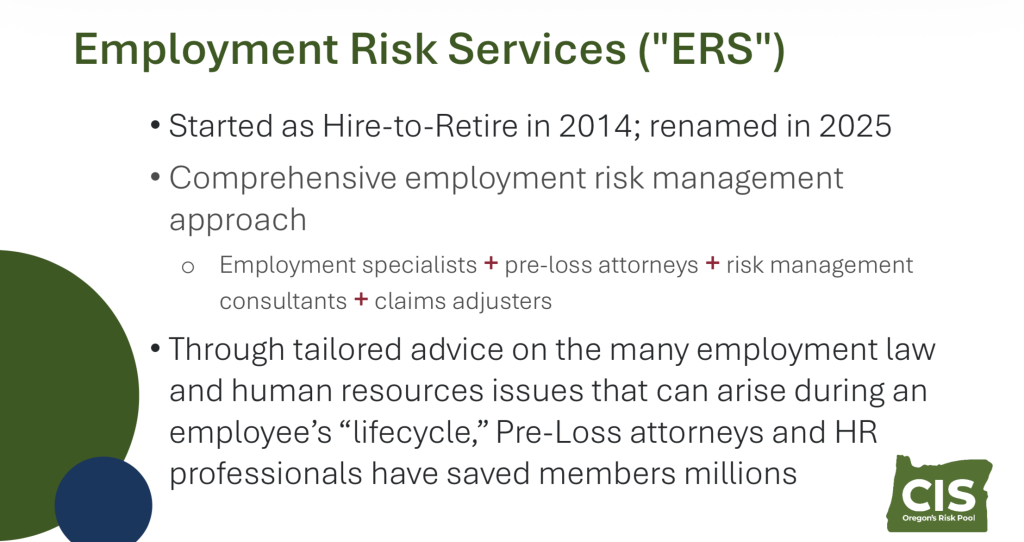
I attend conferences like those offered by Citycounty Insurance Services (CIS) because they provide practical guidance on how counties can better support their workforce and reduce risk.

A key takeaway is that strong personnel systems matter. Clear policies, consistent processes, and thorough documentation help ensure fairness, accountability, and protection for everyone involved.

As a commissioner, I’m not involved in day-to-day personnel decisions—but I am responsible for making sure the framework we operate within reflects best practices. That’s how we protect our employees, support our teams, and uphold public trust.

CIS represents more than 90% of Oregon’s cities and over 80% of counties. When leaders from across the state come together to share lessons learned and best practices, the information we bring home directly impacts how we support our workforce and serve our communities.

Key takeaways this year included:

• Strong documentation and clear communication support fairness, consistency, and strong supervisory relationships across an organization
• Effective emergency planning and coordinated response systems protect both employees and the public
• Volunteer management, training, and safety practices ensure community programs remain sustainable and protected
• Clear performance expectations and consistent standards help build a professional, respectful workplace culture

When we invest in professional development and shared learning, we strengthen workforce morale, improve performance, and ensure our organizations operate to high standards.

What I bring back from CIS isn’t theoretical — it’s practical guidance to help ensure our county organization remains resilient, well-managed, and focused on delivering quality public service for the people we serve.

Strong local government depends on aligning how we manage our workforce with how we manage our budget. Through my work with CIS (our statewide risk and insurance pool), it’s clear that human resources and finance are not separate functions—they operate as one system. Every personnel decision carries a financial impact, from recruitment and training to overtime, leave balances, and potential liability.

CIS best practices emphasize investing in prevention—like training, clear policies, and consistent documentation—because those investments reduce costly claims and workplace disruptions down the line.

As we move into budget planning, I am focused on ensuring that HR and Finance are working together to forecast workforce needs, identify risks early, and prioritize smart investments that protect both our employees and public resources