The third annual Community Repair Fair was held Saturday, August 1st in the Gladys Valley Marine Studies Building at Hatfield Marine Science Center.
Led by Oregon Sea Grant (OSG) and the Hatfield Innovation Lab (iLab), this free community event was open to the public and powered largely by local volunteers. Community members brought broken household items, and local volunteers worked with them to see if the items could be fixed. Attendees also watched repair demonstrations, took part in hands-on upcycling activities, and talked with community members and organizations sharing waste prevention strategies at tables throughout the building.
Over the past several months I have attended multiple Lincoln County COAD (Community Organizations Active in Disaster) meetings. These conversations have reminded me of my former role serving as Public Information Officer for both the Lincoln County Board of Commissioners Office and the Emergency Operations Center during major emergencies and disaster response efforts.
What I continue to see is an inspired effort to bring together local organizations, volunteers, nonprofits, faith-based partners, emergency management professionals, and community leaders to strengthen Lincoln County’s disaster preparedness and long-term resilience.
The former Long-Term Recovery Group (LTRG), originally created following the 2020 Echo Mountain Wildfire, is now transitioning into a broader countywide COAD model focused on helping Lincoln County prepare before disasters occur — not simply responding afterward.
I have been encouraged by the many individuals participating in this effort, including former Commissioner Kaety Jacobson, who is helping coordinate many aspects of the transition, along with representatives from Oregon State University Extension, Lincoln County Public Health, wildfire preparedness specialists, emergency response partners, and numerous community organizations.
• Dustin Rymph — Oregon State Fire Marshal Office (OSFM), former Southwest Oregon Forest Protective Association program manager, and contributor to community wildfire and air quality resilience efforts https://www.oakridgeair.org
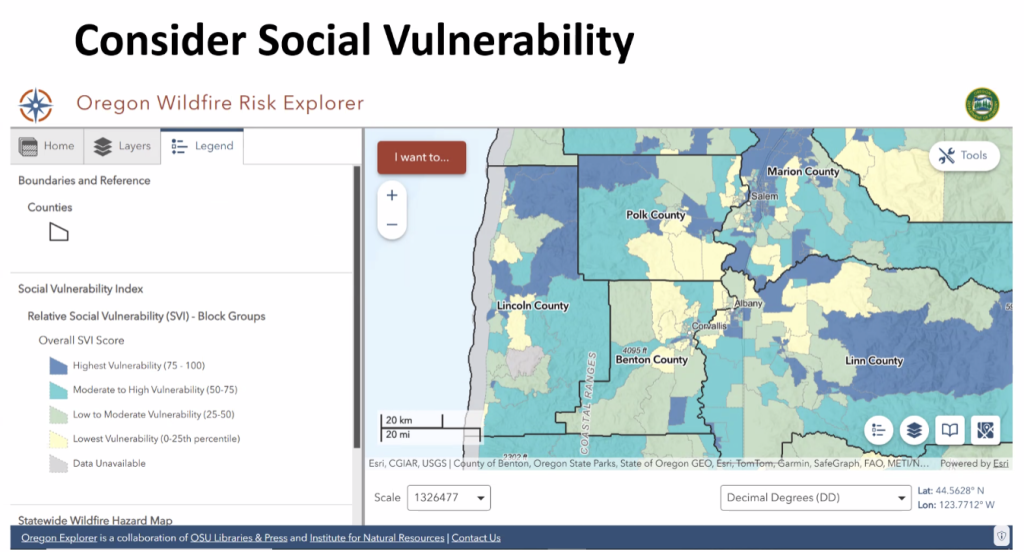
Current efforts include planning around community sheltering, animal evacuation and sheltering, donations management, emergency communications, volunteer coordination, and long-term community resilience.
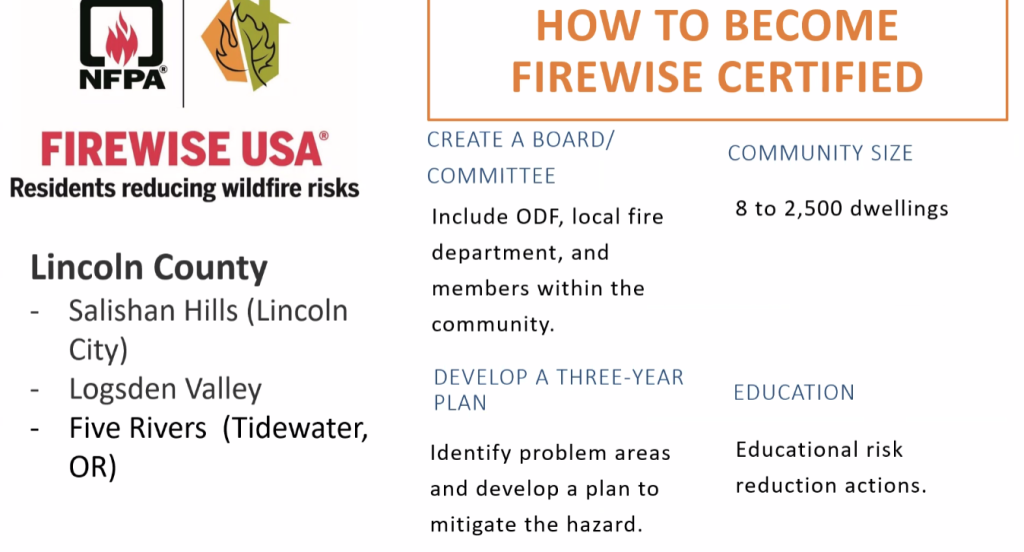
As we enter wildfire season and continue facing risks from storms, flooding, earthquakes, power outages, and other emergencies, preparedness at every level matters.
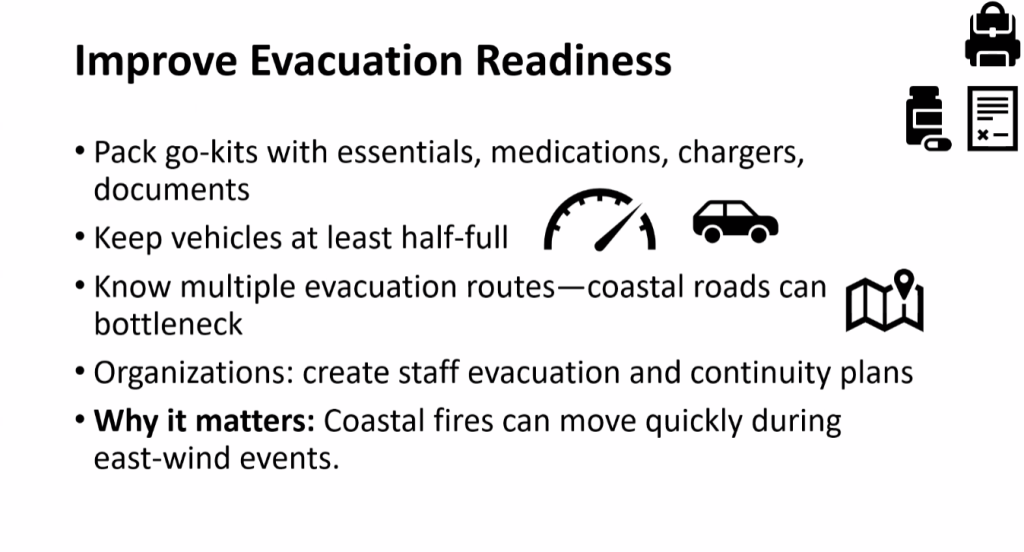
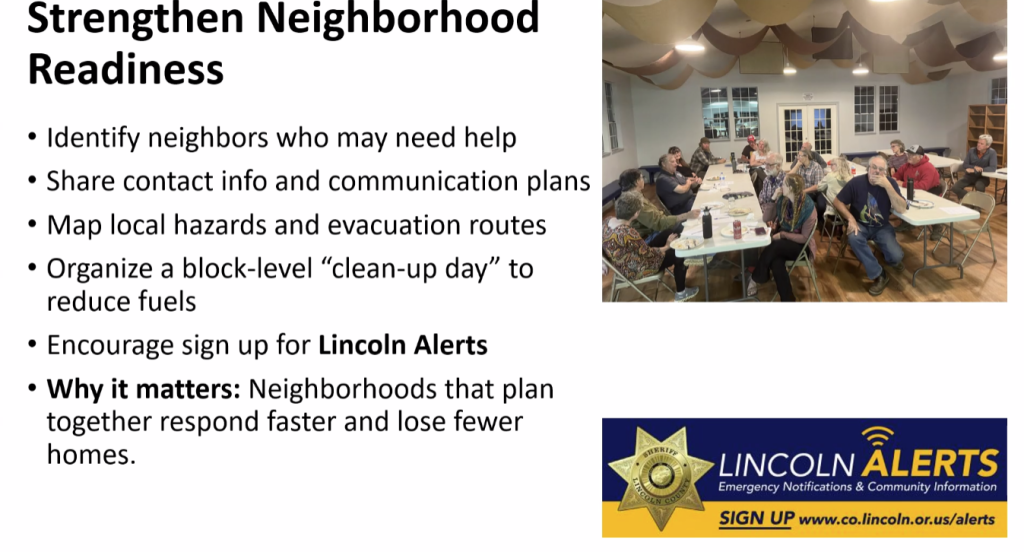
Community preparedness starts at home. Residents should consider building emergency supply kits, developing family communication plans, preparing for evacuation scenarios, staying informed about local hazards, and checking on neighbors and vulnerable populations during emergencies.
The Lincoln County COAD is actively seeking participation from volunteers, nonprofits, businesses, faith-based organizations, emergency response partners, and residents interested in preparedness and resilience. Strong local partnerships built before disasters occur can make a major difference when emergencies happen.
Preparedness is not just a government responsibility. It is a community responsibility — and building resilience starts long before disaster strikes.
Residents interested in becoming involved with Lincoln County COAD efforts, preparedness planning, volunteer coordination, or future training opportunities are encouraged to reach out to:
Community members do not need to wait until a disaster occurs to become involved. One of the major goals of the Lincoln County COAD effort is building relationships, volunteer networks, communication systems, and preparedness capacity before emergencies happen.