County elected officials are responsible for an entire workforce — hundreds of public employees and volunteers delivering essential services to our communities every day.
Governance responsibility reaches deep into our organization. The commission must ensure the organization itself is healthy, lawful, and equipped to serve the public well through the work of our employees. That means understanding best practices in management, risk, emergency preparedness, and organizational leadership.
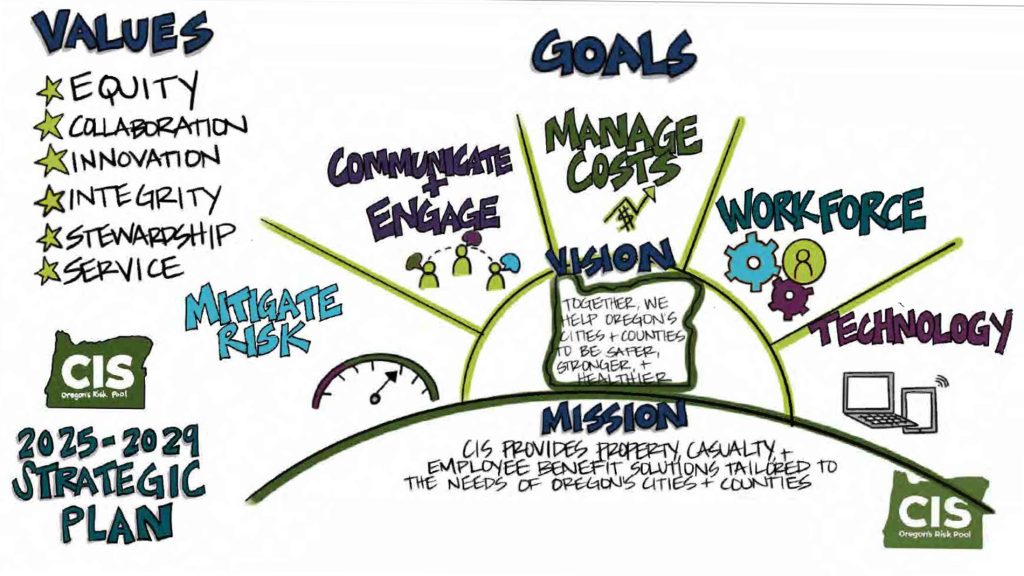
I attend conferences like those offered by Citycounty Insurance Services (CIS) because they provide practical guidance on how counties can better support their workforce and reduce risk.
A key takeaway is that strong personnel systems matter. Clear policies, consistent processes, and thorough documentation help ensure fairness, accountability, and protection for everyone involved.
As a commissioner, I’m not involved in day-to-day personnel decisions—but I am responsible for making sure the framework we operate within reflects best practices. That’s how we protect our employees, support our teams, and uphold public trust.
CIS represents more than 90% of Oregon’s cities and over 80% of counties. When leaders from across the state come together to share lessons learned and best practices, the information we bring home directly impacts how we support our workforce and serve our communities.
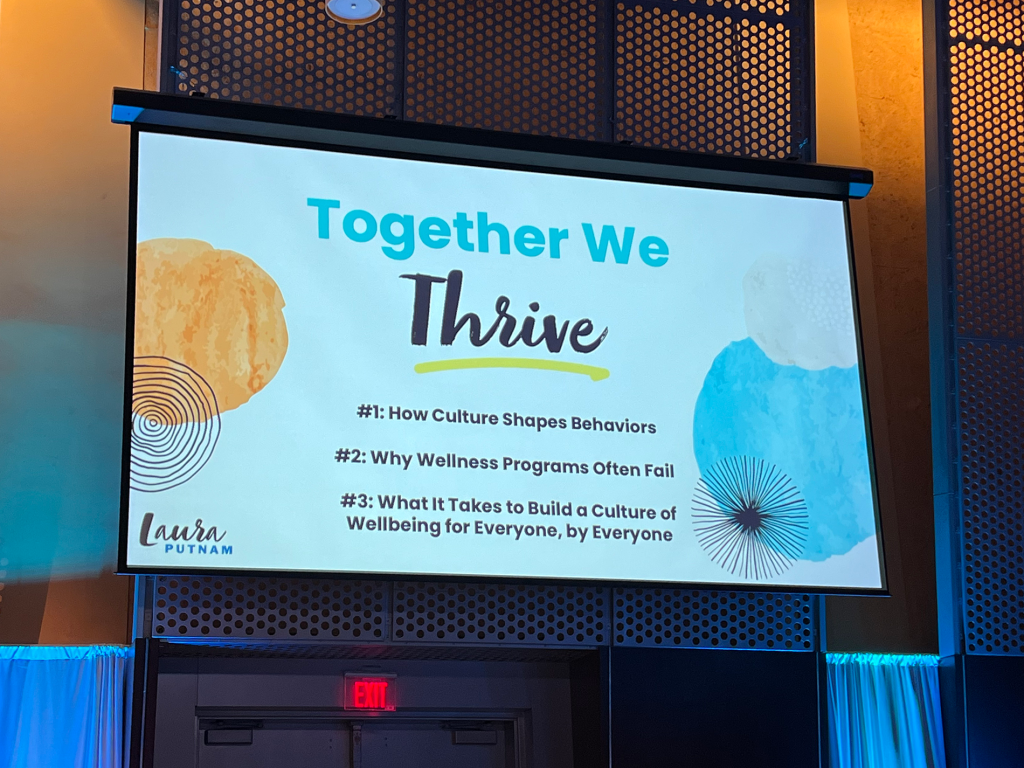
Key takeaways this year included:
• Strong documentation and clear communication support fairness, consistency, and strong supervisory relationships across an organization
• Effective emergency planning and coordinated response systems protect both employees and the public
• Volunteer management, training, and safety practices ensure community programs remain sustainable and protected
• Clear performance expectations and consistent standards help build a professional, respectful workplace culture
When we invest in professional development and shared learning, we strengthen workforce morale, improve performance, and ensure our organizations operate to high standards.
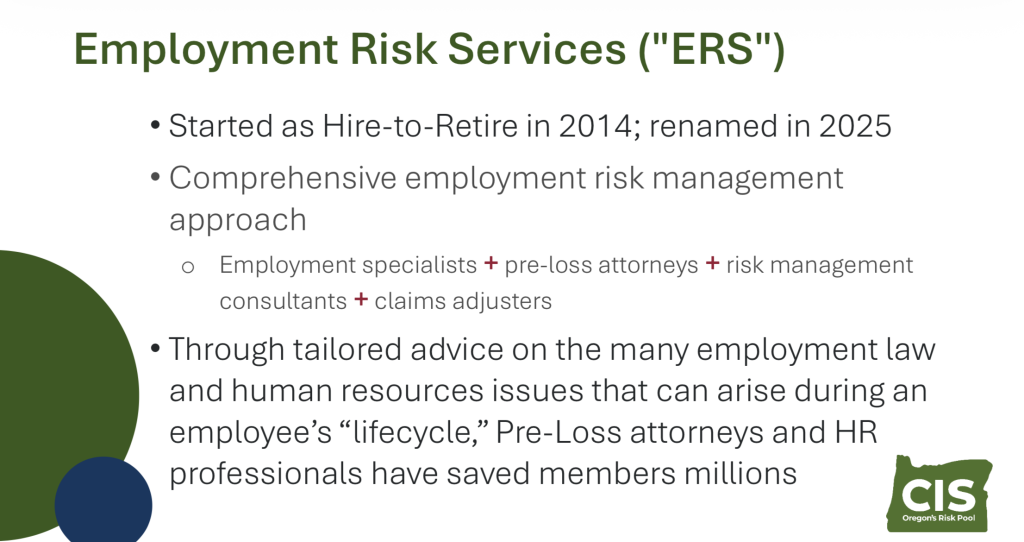
What I bring back from CIS isn’t theoretical — it’s practical guidance to help ensure our county organization remains resilient, well-managed, and focused on delivering quality public service for the people we serve.
Strong local government depends on aligning how we manage our workforce with how we manage our budget. Through my work with CIS (our statewide risk and insurance pool), it’s clear that human resources and finance are not separate functions—they operate as one system. Every personnel decision carries a financial impact, from recruitment and training to overtime, leave balances, and potential liability.
CIS best practices emphasize investing in prevention—like training, clear policies, and consistent documentation—because those investments reduce costly claims and workplace disruptions down the line.
As we move into budget planning, I am focused on ensuring that HR and Finance are working together to forecast workforce needs, identify risks early, and prioritize smart investments that protect both our employees and public resources