Waters Systems Alliance Update
One of the quieter — but potentially most important — long-term conversations happening in Lincoln County right now involves water. Lincoln County is a member of the Water Systems Alliance.
On 10.4.24 Billie Jo Smith came to the Board of Commissioners. On 12.4.24 the entire Board of Commissioners approved the resolution to support the Waters Systems Alliance. We were one of the last jurisdictions across the county to acknowledge and provide our intention to support mission by approving the resolution.
Over the past several years, local governments, water districts, public agencies, and community partners have been discussing the development of the Lincoln County Water Systems Alliance (LCWSA), a collaborative effort focused on strengthening regional water resilience, infrastructure coordination, and long-term planning.
Last week I attended another LCWSA meeting to continue learning more about where the effort currently stands and how Lincoln County can constructively support the work moving forward.
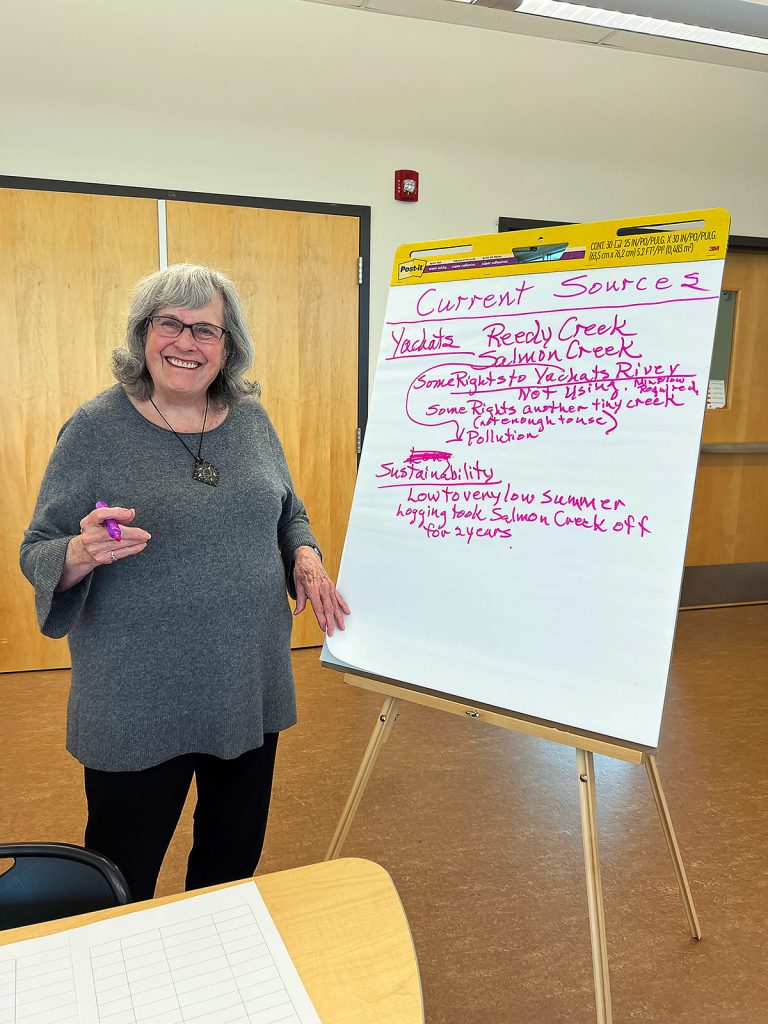
At first glance, regional water coordination may not sound exciting compared to other public issues. But in reality, water infrastructure is one of the foundational systems that determines whether communities can safely grow, respond to emergencies, support housing, maintain public health, and remain economically stable over the long term.
Across Oregon — and especially in coastal and rural communities — aging infrastructure, seismic concerns, climate pressures, drought variability, and emergency preparedness challenges are forcing communities to think more regionally about water systems than ever before.
Lincoln County is no exception.
Many of our local water districts already face major infrastructure responsibilities independently. Existing systems require maintenance, upgrades, redundancy planning, emergency coordination, and long-term investment. Some areas face challenges associated with aging pipelines, landslide zones, storm impacts, or limited system flexibility.
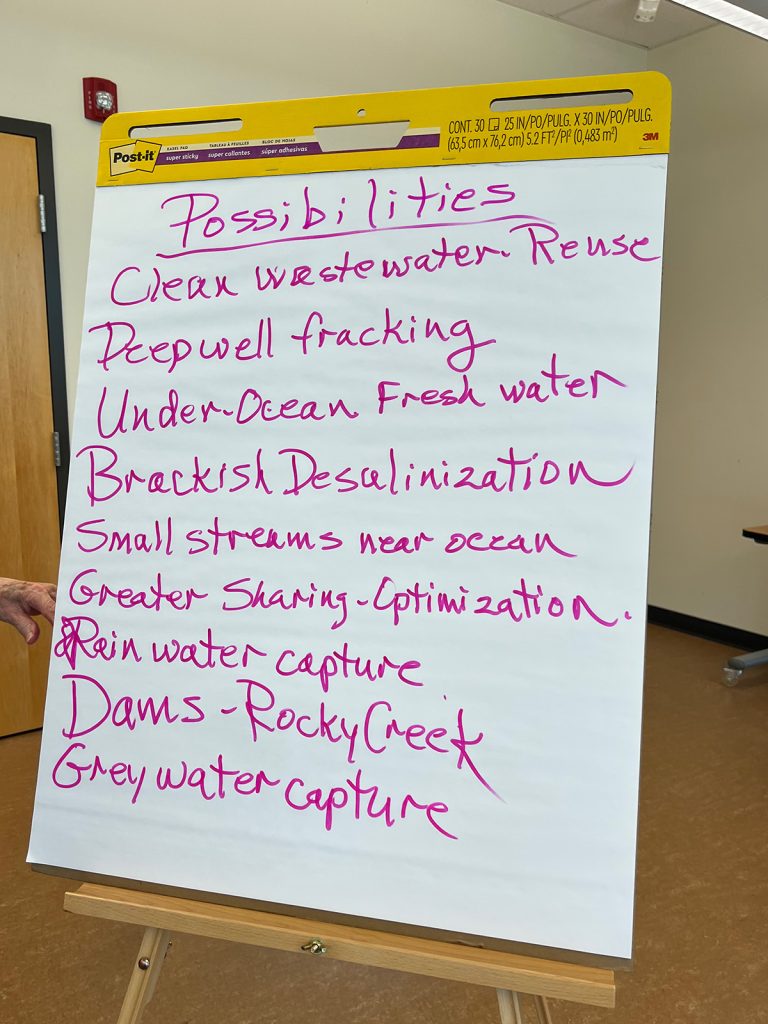
The concept behind the Lincoln County Water Systems Alliance is simple but important:
Rather than every jurisdiction operating entirely independently, communities can work together to:
- share information
- coordinate planning
- identify vulnerabilities
- pursue grants collaboratively
- improve emergency preparedness
- strengthen long-term water reliability countywide
In many ways, this is about moving from reactive problem solving toward proactive regional planning.
The Alliance appears to still be in an early organizational and developmental phase. Current discussions include identifying sustainable organizational support, improving coordination among participating entities, and determining what level of assistance may be appropriate from partner agencies and local governments.
One current request involves approximately $2,000 in county support funding to assist the organization’s ongoing efforts and coordination work.
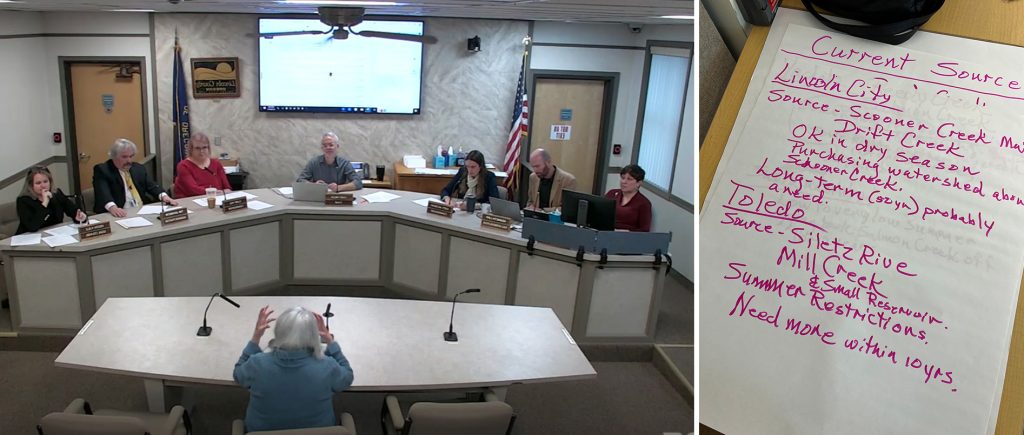
From my perspective as a County Commissioner, the larger conversation is not simply about one small funding request. The bigger issue is whether Lincoln County is willing to think long-term about water resilience and regional cooperation before larger infrastructure or emergency problems emerge in the future.
If communities can successfully work together across jurisdictional boundaries, the long-term benefits could be substantial:
- stronger emergency preparedness
- improved grant competitiveness
- better infrastructure coordination
- shared technical knowledge
- greater system resilience
- more strategic long-range planning
Water systems are easy to overlook when they are functioning normally. But when systems fail, the consequences quickly become visible for households, businesses, schools, emergency services, and public health systems.
That is why efforts like the LCWSA matter.
The work may not always generate headlines, but thoughtful regional planning today can help protect Lincoln County communities for decades to come.
I remain very supportive of collaborative efforts that encourage jurisdictions to work together constructively, share information openly, and think proactively about the long-term future of essential public infrastructure.