Commissioner Update: Federal Forest Lands and Lincoln County’s Role
At the recent meeting of the Association of Oregon Counties (AOCC), counties from across Oregon discussed the future of federally managed forest lands, particularly those overseen by the Bureau of Land Management (BLM). These conversations are important to Lincoln County, both now and in the years ahead.
What Is Being Considered
I have brought forward an AOCC Lands Memorandum of Understanding (MOU) for discussion by the Board of Commissioners. This MOU is intended to strengthen coordination between Oregon counties and BLM and to ensure that counties are included in early discussions about federal land management. It provides a pathway for counties to communicate local impacts and perspectives as planning processes develop.
Participation in the MOU does not commit Lincoln County to specific funding or staffing obligations. Any future level of engagement would be determined by the Board. At its core, the MOU is about access, communication, and awareness.
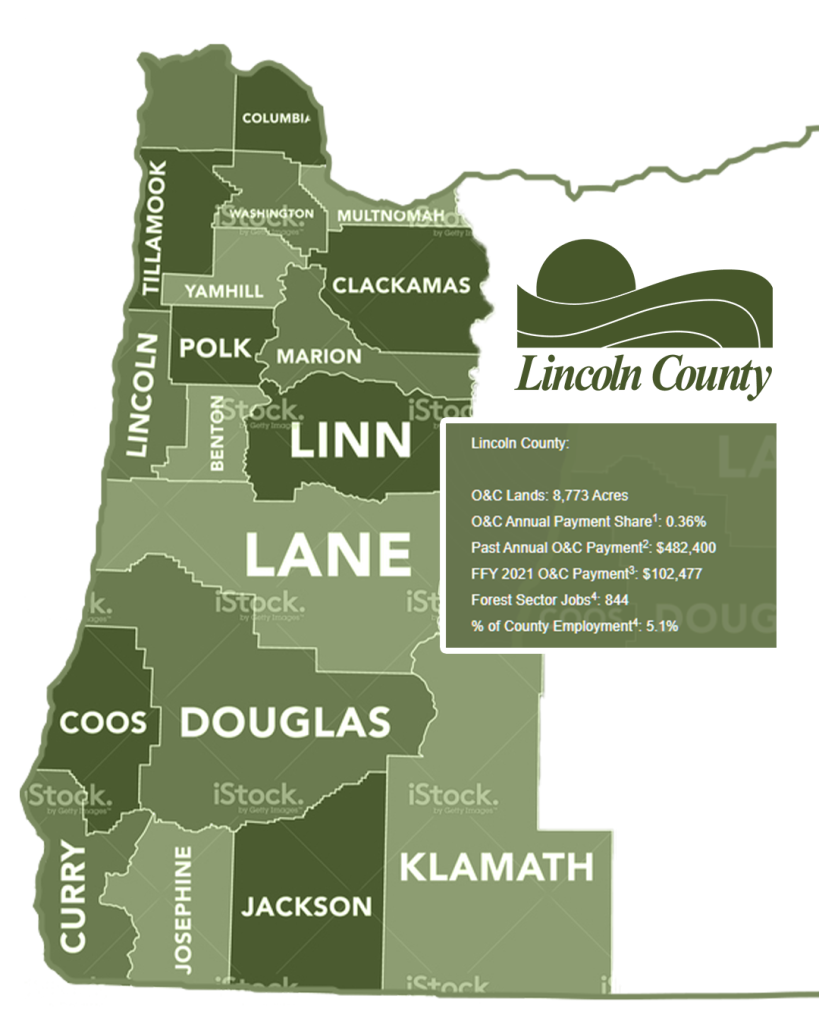
Why This Matters to Lincoln County
Federal forest lands influence a wide range of outcomes in our community. Over the past five years, Lincoln County has received approximately $460,000 in federal forest-related funding. By comparison, counties such as Lane County have received between $18 million and $30 million during the same period. While the scale differs, the same federal land management decisions still affect all counties.
Beyond revenue, how these lands are managed influences wildfire risk and community safety, ecosystem health and wildlife habitat, and the broader working forest economy. Forest-related activity supports jobs, local businesses, and regional supply chains.
Federal forest lands also support recreation that is central to Lincoln County’s identity and economy. Activities such as hiking, fishing, hunting, camping, and tourism depend on accessible and well-managed public lands, contributing to local businesses and overall quality of life.
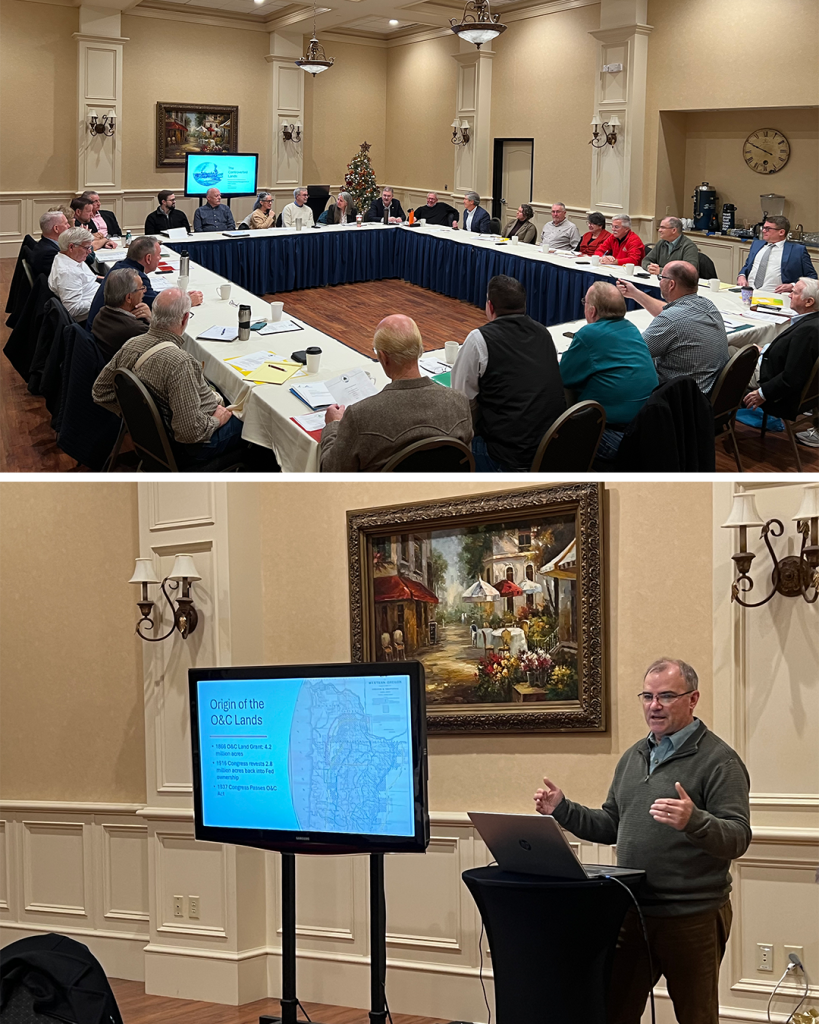
Looking Ahead: Long-Term Planning
Federal land management is guided by long-range Resource Management Plans (RMPs), developed by the Bureau of Land Management. These plans typically span 15 to 20 years and establish direction for land use allocations, timber and harvest levels, conservation areas, recreation uses, and overall management priorities.
These planning processes shape long-term outcomes for counties, communities, and ecosystems, which is why early engagement is important.
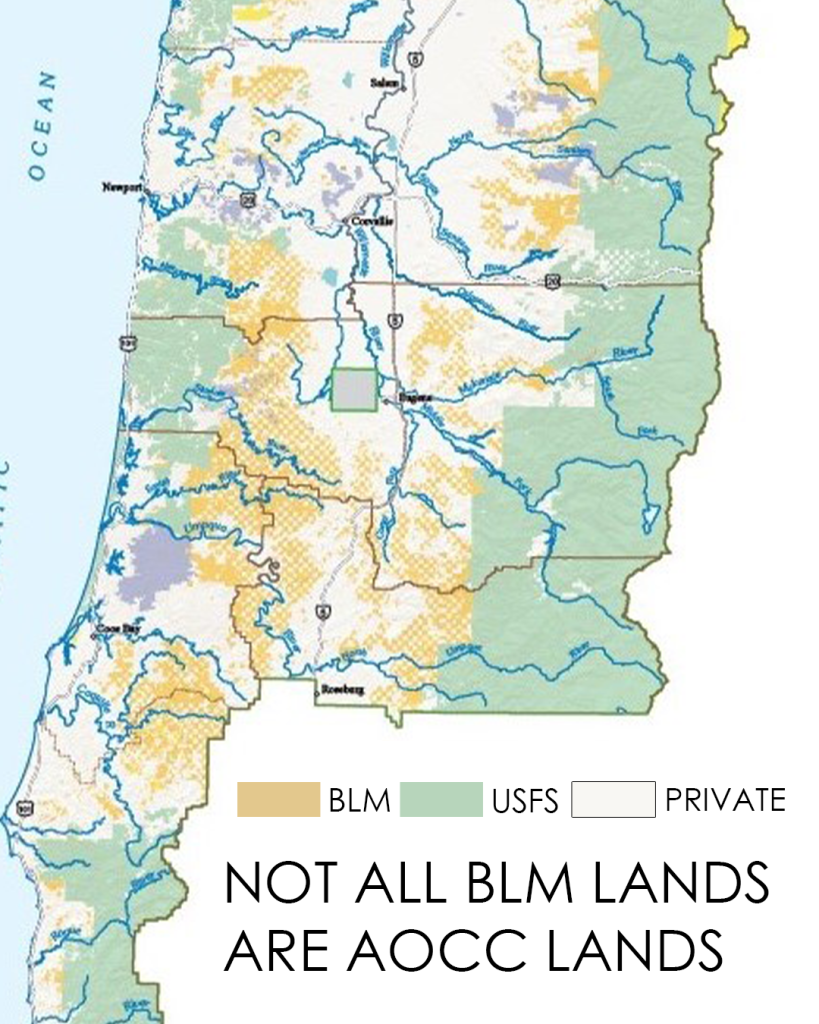
Lincoln County’s role is not to control federal lands, but to ensure our community is represented in the conversation. The AOCC Lands MOU helps ensure that counties are included early in discussions, can communicate local fiscal and community impacts, and have an opportunity to inform decisions that affect county revenue and public services.
Engaging early allows us to bring forward local knowledge and priorities before decisions are finalized.
Community Input
This is an early step, and there will be additional opportunities for discussion and input as these processes move forward. Community perspectives are important in shaping how these lands are managed.
If you would like to share your thoughts or receive updates on this topic, I welcome the conversation.
Email: clmiller@co.lincoln.or.us
Memo: Available in an upcoming Board meeting packet or by request
As Lincoln County’s representative to AOCC, my role is to bring our county’s voice into statewide discussions and to bring that information back to the Board and the public. My goal is to ensure that Lincoln County is not simply reacting to decisions, but is part of the conversation shaping them.