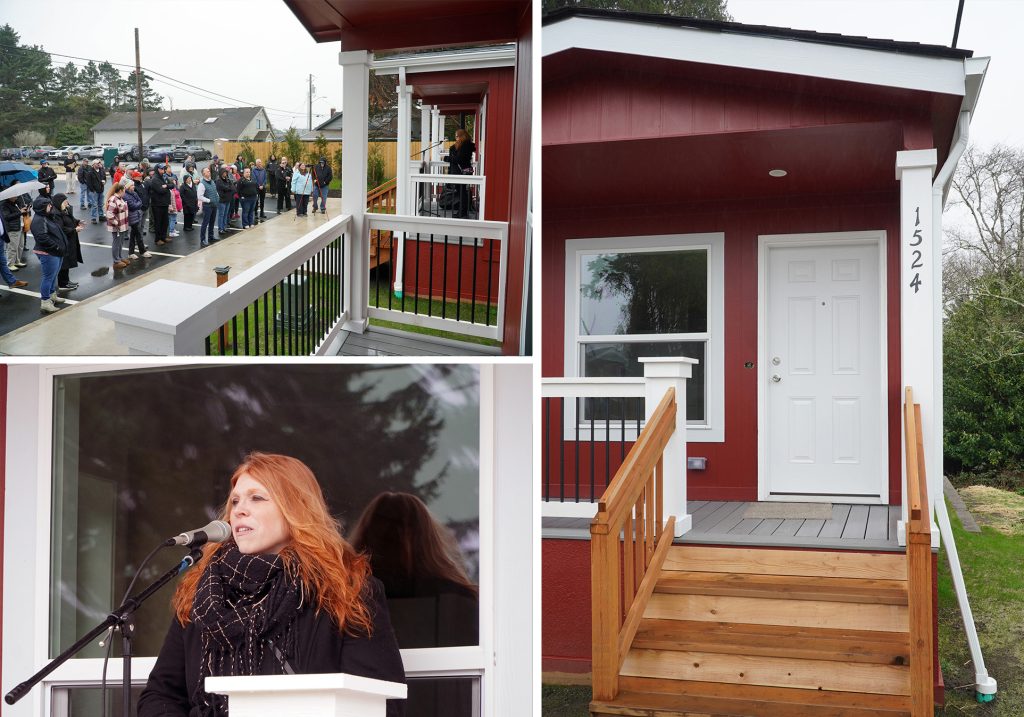
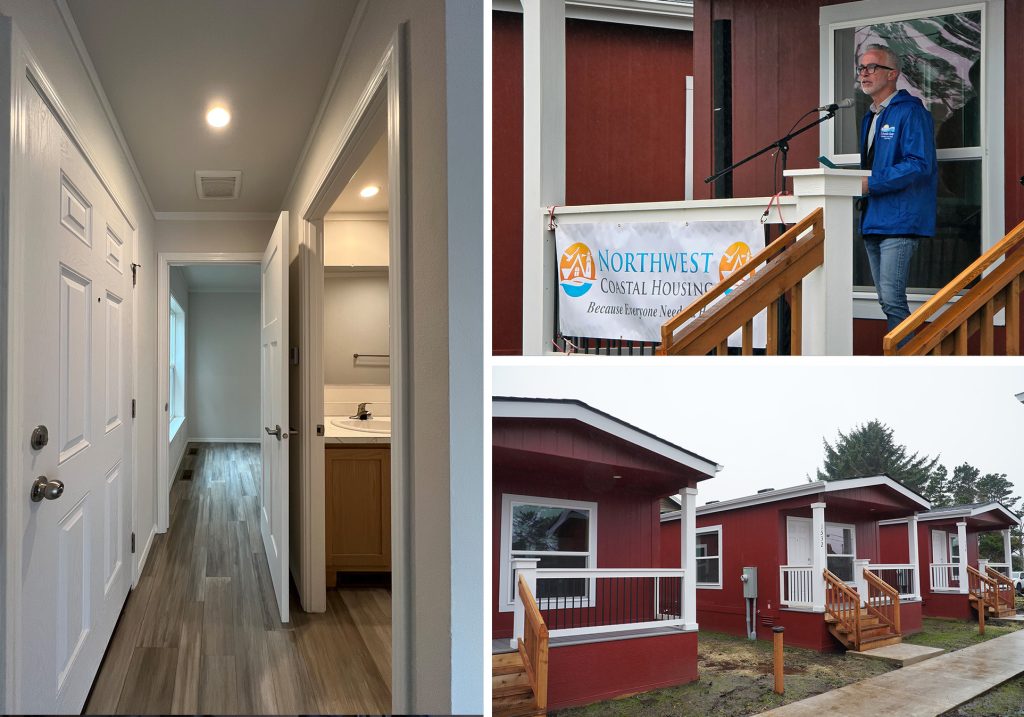
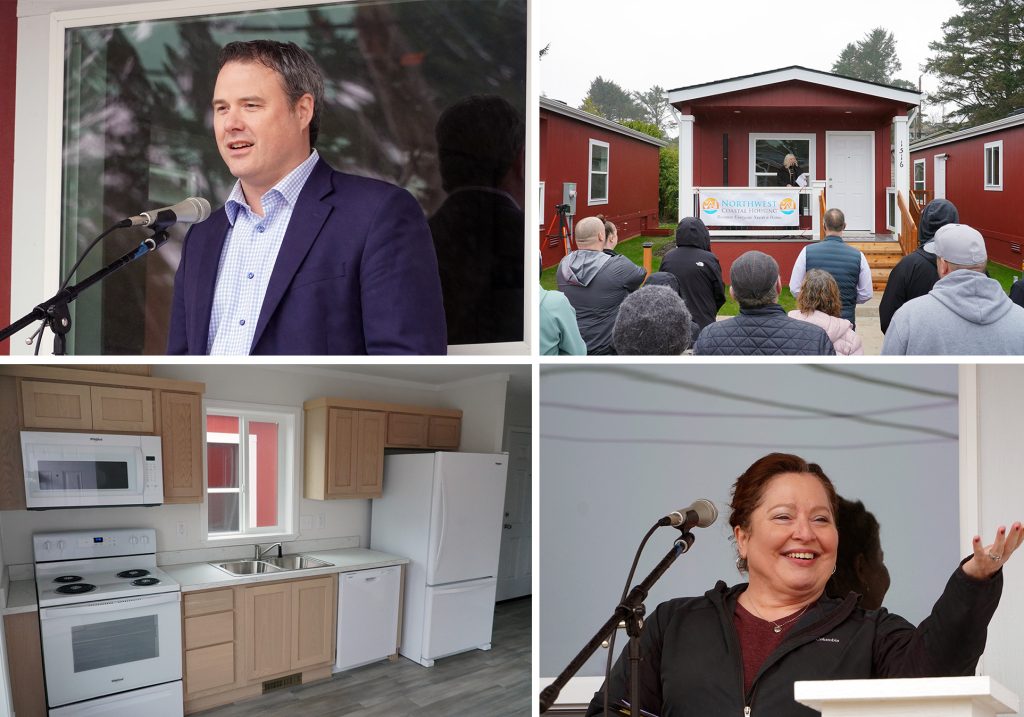
Last week I had the opportunity to attend the ribbon cutting for the Coast Vineyard Village tiny home project in Lincoln City. It was a gratifying moment for many reasons — not only because of the homes themselves, but because of what they represent for our community.
Recovery can and does happen. But, it’s a painfully long process and restoration may never make us whole in the way we hoped. Yet, these tiny homes are finally here and they are indicative that we can and will continue to support each other in Lincoln County.
Projects like this do not happen overnight. They are the result of years of work by nonprofit organizations, community partners, local governments, and state and federal programs all working together toward a common goal: helping people regain stability through safe and accessible housing.
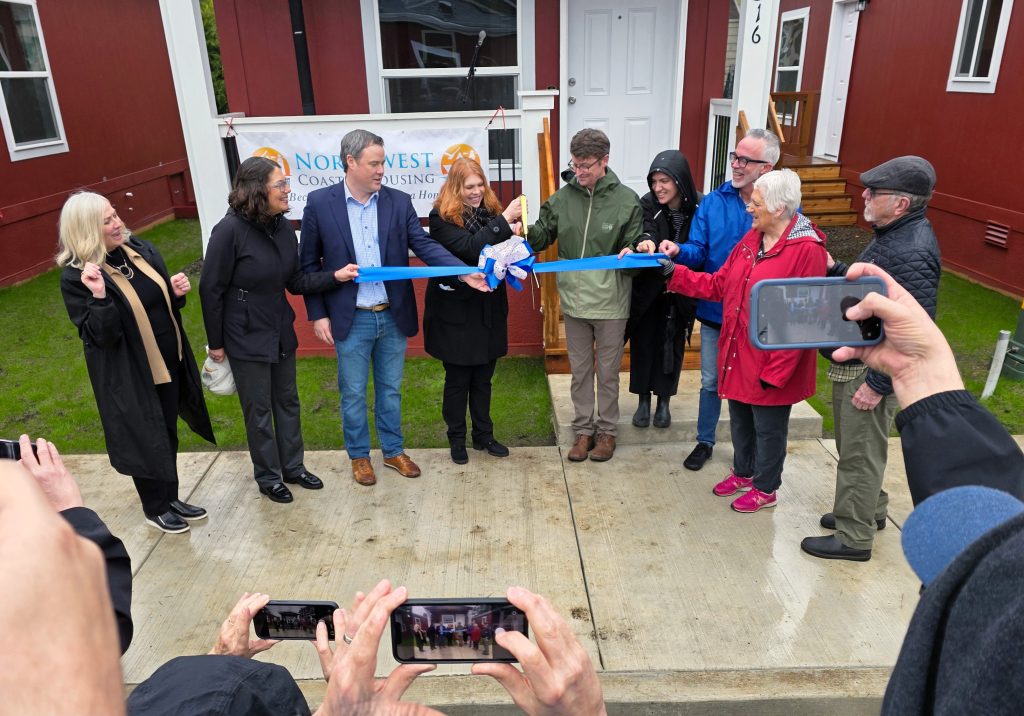
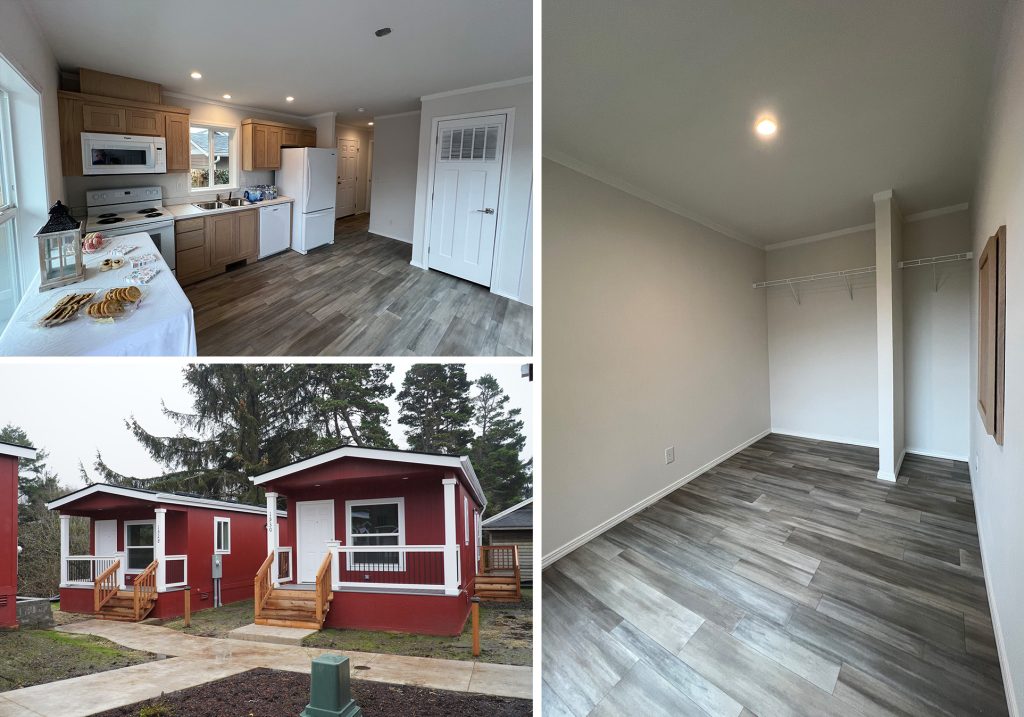
The Coast Vineyard Village development, led by Northwest Coastal Housing and built in partnership with Coast Vineyard Church and other community partners, provides small, efficient homes designed to support neighbors who were displaced by the 2020 Echo Mountain wildfire and individuals experiencing housing instability.
Standing at that ribbon cutting, I was reminded that this single project is part of a much larger story unfolding in Lincoln County.
A Framework Emerging from Crisis
When the Echo Mountain wildfire struck in 2020, hundreds of families in North Lincoln County lost their homes. Like many rural communities, we faced the challenge of how to support recovery while also addressing the broader housing shortage that existed long before the fire.
Over the past several years, Lincoln County has been quietly building what is becoming one of the more thoughtful rural housing recovery frameworks in Oregon.
This framework has taken shape through a series of key steps.
The County adopted policies to support wildfire rebuilding and help families recover their homes. We worked with state housing agencies to bring disaster recovery resources into the community. We helped coordinate housing navigation services so displaced households could connect with available programs and support.
At the same time, nonprofit housing developers, faith-based organizations, and community partners began bringing forward projects that addressed different parts of the housing spectrum.
Some projects focused on transitional housing, such as motel conversions that created dozens of units for people moving out of homelessness. Others focused on affordable rental housing for working families, seniors, and people living on fixed incomes. Habitat for Humanity and other partners have helped expand opportunities for homeownership and disaster recovery housing.
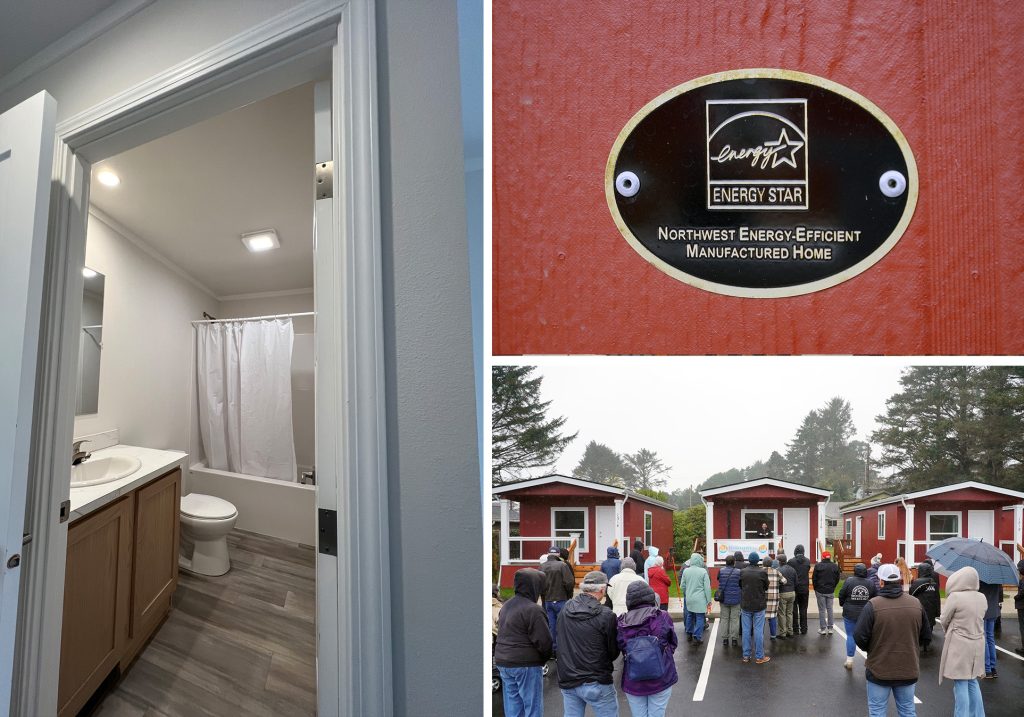
The tiny homes at Coast Vineyard Village represent another important piece of that larger system — providing a smaller-scale, community-oriented housing option that can help people regain stability and move forward.
The County’s Role: Connector, Partner, and Steward
One important thing for residents to understand is that most housing construction funding does not come directly from the county itself.
One recent example is the County’s Community and Economic Development Grant Program.
Lincoln County receives funds from the Oregon Lottery based on the play of video lottery in the county. The Board of Commissioners has elected to use this resource to help with local community and economic development projects through our own unique grant construct.
The 2025–26 Community and Economic Development Grant Program, two housing projects received direct funding: Northwest Coastal Housing – Olalla Meadows: $50,000. Habitat for Humanity of Lincoln County – Forest Lake Park: $50,000.
Lincoln County also uses it’s lottery funds to support the Economic Development Alliance of Lincoln County and the Small Business Development Center; and provide low interest loans to small businesses through Cascades West Council of Governments.
Large housing developments are typically financed through state housing programs, federal disaster recovery funds, nonprofit developers, and private financing tools such as housing tax credits.
The role of county government is often different — but no less important.
Lincoln County serves as a connector between partners, a coordinator for state and federal housing resources, and a steward of policies that help make housing projects possible. We administer grants, support partnerships, and work with cities, nonprofits, and service providers to bring projects to life.
Sometimes the County contributes modest local funding that helps leverage larger investments. Often our role is helping align partners and ensuring projects move forward in a responsible and sustainable way.
In many ways, the County helps provide the framework that allows these efforts to take shape.
Supporting Stability While Living Within Our Means
As a County Commissioner, I believe strongly that housing stability is one of the foundations of a healthy community. When people have a safe place to live, they have the opportunity to work, care for their families, and participate in community life.
At the same time, county government must always operate responsibly within its financial means. Our goal is not to overcommit local resources, but to support partnerships and policies that bring the right mix of funding and expertise into our community.
When we do that well, we can help create real solutions without placing unnecessary strain on county budgets.
Looking Forward
The ribbon cutting at Coast Vineyard Village is a meaningful milestone, but it is also just one step in a longer journey.
The progress we are seeing now is the result of many partners working together — nonprofit housing organizations, faith communities, cities, state agencies, and local residents who care deeply about the future of Lincoln County.
I am grateful to everyone involved in making this project possible and proud of the role Lincoln County continues to play in supporting solutions that help our community recover, grow, and remain a place where people can build stable and productive lives.